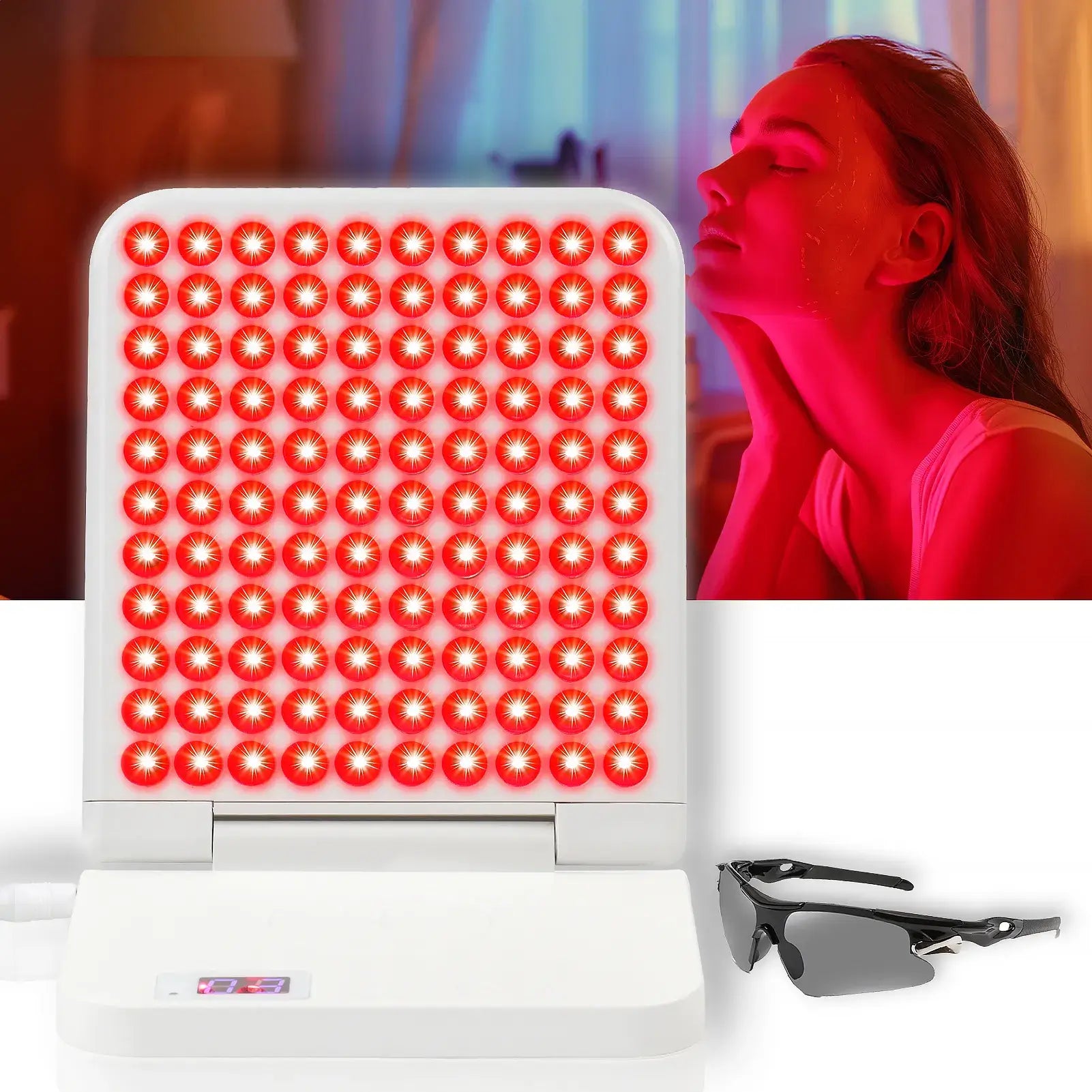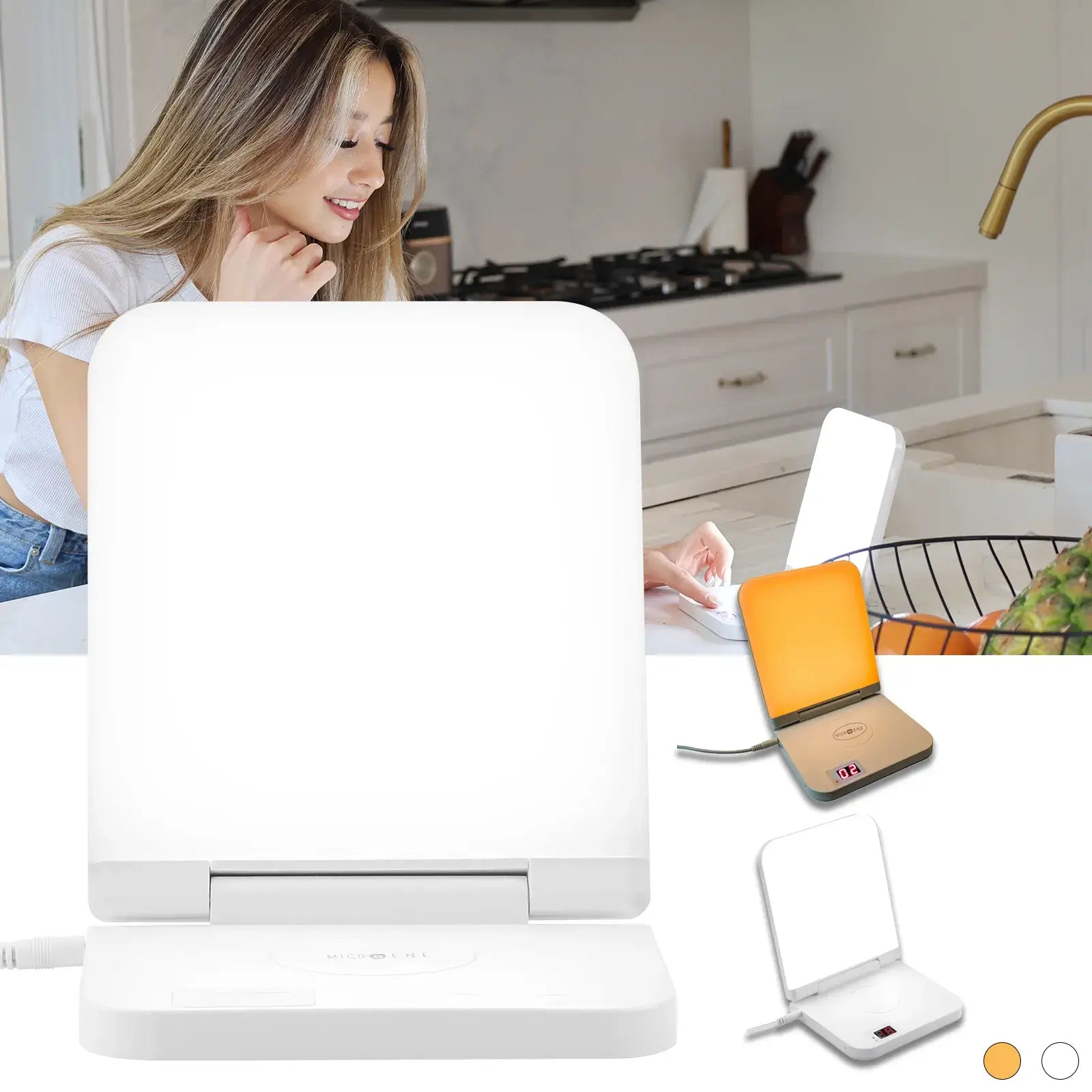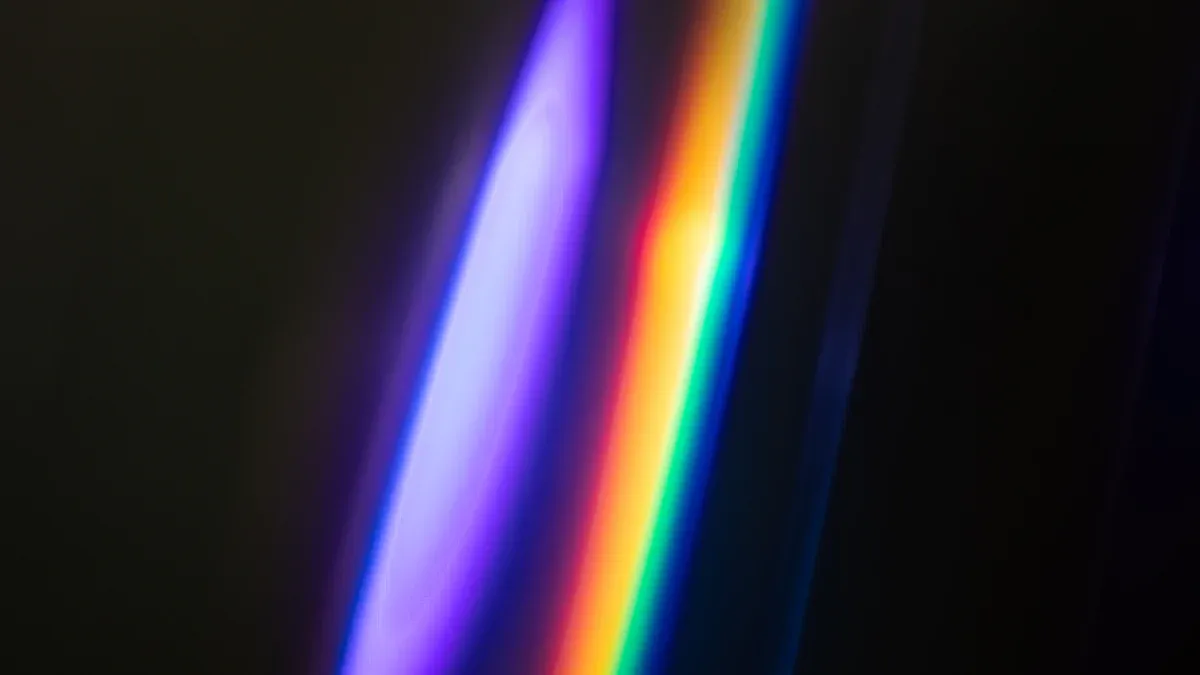
Full spectrum light gives you all the colors found in sunlight. This light has what your eyes see and some you can’t see, like near-ultraviolet and infrared. You need full spectrum light for more than just making rooms bright. It helps your body and mind work better. Look at what studies say about how this light affects you:
|
Aspect |
Findings |
|---|---|
|
Circadian Rhythms |
Full-spectrum lighting helps your body clock. It can help you sleep better. |
|
Cognitive Function |
Being around full-spectrum light helps you think better. It can also make you feel happier. |
|
Seasonal Affective Disorder |
Full-spectrum light can make people with SAD feel better. It helps improve mood and lowers symptoms. |
|
Overall Well-being |
People feel more awake and less stressed with full-spectrum lighting. |
You also see full spectrum light used to help plants grow well. It also helps animals stay healthy indoors.
Key Takeaways
-
Full spectrum light is like sunlight. It gives a mix of visible and invisible wavelengths. This helps people feel healthy and happy.
-
Choose bulbs with color temperature from 5000K to 6500K. Make sure the Color Rendering Index is above 96. This means you get real full spectrum lighting.
-
Full spectrum light can help you sleep better. It can make thinking easier. It can also help with Seasonal Affective Disorder (SAD).
-
Full spectrum light is good for people. It also helps plants grow well. It keeps indoor animals healthy too.
-
When you buy bulbs, read the labels closely. This helps you tell full spectrum bulbs from regular daylight bulbs. You will get the best results this way.
Full Spectrum Light: Scientific Definition
Electromagnetic Spectrum Coverage
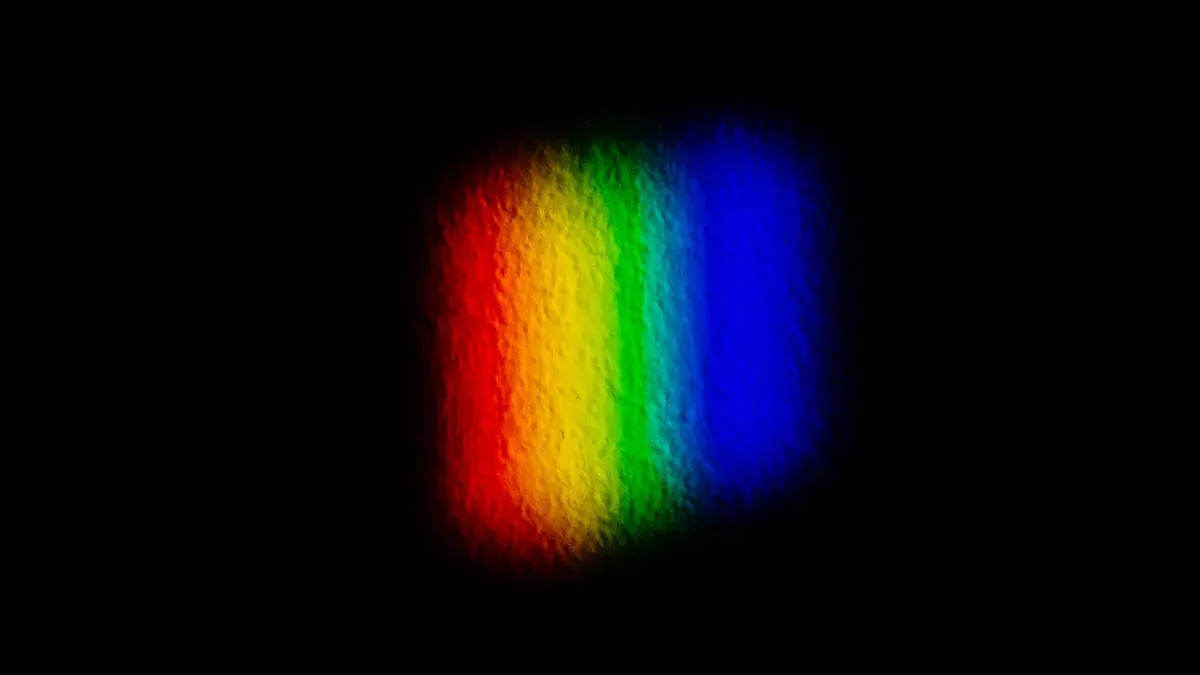
When you hear the term full spectrum light, you might wonder what it really covers. Think of it as a type of light that tries to copy the sun as closely as possible. You get a mix of all the colors your eyes can see, plus some you can't, like a bit of ultraviolet and infrared. This broad coverage is what makes full spectrum light special compared to regular bulbs.
You can look at some key scientific numbers to spot true full spectrum light. The color temperature usually falls between 5000K and 6500K. This range matches the look and feel of daylight. You also want to check the Color Rendering Index, or CRI. A good full spectrum light has a CRI of 95 or higher. This means colors look natural and vibrant, just like they do outside on a sunny day.
Tip: Not every bulb labeled "daylight" is full spectrum. True full spectrum light gives you a balanced spread of colors, without a big spike in blue light.
Here's a quick comparison to help you see how full spectrum light stacks up against natural sunlight:
|
Feature |
Full Spectrum Light |
Natural Sunlight |
|---|---|---|
|
Color Rendering Index (CRI) |
95-99% |
100% |
|
Color Temperature |
5000K-6500K |
Approximately 5500K |
|
Spectrum Coverage |
Mimics natural daylight, includes visible and invisible wavelengths |
Comprehensive natural spectrum |
You can see that full spectrum light comes close to what the sun gives you, but it still isn't a perfect match. It does a great job of mimicking daylight, which is why it's so useful for your health and well-being.
Visible and Non-Visible Wavelengths
Full spectrum light isn't just about what you see. It covers a range of wavelengths from about 400 nanometers (nm) to 720 nm. This includes all the colors of the rainbow—red, orange, yellow, green, blue, indigo, and violet. You also get a touch of ultraviolet and infrared, which your eyes can't see but your body and plants can sense.
Most regular artificial lights only give you a slice of this range. They might miss out on some colors or skip the invisible parts. That means they can't fully copy the effects of sunlight. Full spectrum light fills in those gaps, so you get a more natural experience indoors.
You might notice that scientists use different ways to measure light. For humans, they often use lux or CRI. For animals, other metrics like α-opic irradiance matter more, since their eyes sense light differently. No matter the method, the goal stays the same: to create light that feels and acts like real sunlight.
-
Full spectrum light mimics the natural light spectrum of daylight.
-
It gives you a color temperature similar to what you see outside.
-
This kind of light is vital for your health, mood, and even for helping plants grow strong.
So, when you choose full spectrum light, you're picking a source that brings the outdoors inside. You get the benefits of sunlight, even when you're stuck indoors.
Identifying Full Spectrum Lighting
Color Temperature and CRI
When you shop for bulbs, you want to know if you’re getting full spectrum lighting. You can start by looking at two important numbers: color temperature and CRI. Color temperature tells you how “warm” or “cool” the light looks. For full spectrum lighting, you should look for bulbs with a color temperature between 5000K and 6500K. This range feels like daylight and helps you see colors clearly.
CRI stands for Color Rendering Index. It shows how well a light source lets you see the true colors of objects. Full spectrum lighting usually has a CRI above 96. That means colors look bright and natural, just like they do outside. If you want to test a bulb, try looking at a red apple or your skin under the light. If the colors look rich and real, you probably have full spectrum lighting.
Tip: Always check the packaging for color temperature and CRI ratings. High numbers mean better color and a more natural feel.
Even Distribution of Visible Light
Full spectrum lighting gives you a smooth spread of all the colors your eyes can see. Regular bulbs might miss some colors or show them unevenly. Full spectrum lighting copies sunlight by giving you a wide range of wavelengths. This helps you see everything in its true shade.
Here’s a quick look at how full spectrum lighting compares to standard daylight bulbs:
|
Feature |
Full Spectrum Bulbs |
Standard Daylight Bulbs |
|---|---|---|
|
Light Distribution |
Limited spectral range |
|
|
Color Representation |
Accurate representation of colors |
Less accurate color rendering |
|
Wavelength Range |
Wide range, similar to sunlight |
Narrower range, may miss some colors |
You can spot full spectrum lighting by how well it lights up every color in your room. You’ll notice reds, blues, and greens all look bright and true. Full spectrum lighting makes your space feel lively and helps you work, read, or grow plants better.
If you want to make sure you’re choosing full spectrum lighting, use these steps:
-
Check for color temperature between 5000K and 6500K.
-
Look for a CRI above 96.
-
Test the light with colorful objects.
-
Read the bulb’s label for “full spectrum” wording.
Full spectrum lighting brings the best of sunlight indoors. You get better color, a happier mood, and a healthier space.
Benefits of Full Spectrum Light
Health and Well-Being
You might ask how full spectrum light helps you feel good. When you spend time in rooms with this light, your body reacts in good ways. Full spectrum light acts like sunlight. It helps your body keep a healthy sleep schedule. You sleep better and wake up feeling fresh. Your mood can get better, and you may feel less stress.
Check out how full spectrum light helps your health:
|
Study Title |
Conclusions |
|---|---|
|
Biological Effects of Light: Circadian Rhythms, Health and Well-being |
Full-spectrum lighting helps your body clock, so you sleep better and feel healthier. |
|
Light as a Modulator of Cognitive Brain Function |
Full-spectrum light helps you think better and feel happier. |
|
The Effect of Full-Spectrum Light on Seasonal Affective Disorder |
Full-spectrum light makes people with SAD feel better and lowers symptoms. |
|
Effects of Indoor Lighting on Mood and Cognition |
Full-spectrum LED lighting helps your mood and thinking, which is good for schools and offices. |
You may see your focus and memory get better when you work or study under full spectrum light. Many schools and offices use this light to help people stay awake and do their best. Students read faster and make fewer mistakes on tests. Workers get fewer headaches and feel more interested in their jobs.
If you want to feel happier and have more energy, try spending more time in rooms with full spectrum light. You might notice you feel better and more awake.
Full spectrum light also helps with skin problems like acne and psoriasis. Doctors use it for cancer treatment and for babies with jaundice. The health benefits of full spectrum light help many parts of your life.
Applications for Plants and Animals
Full spectrum light is not just for people. Plants and animals need it too. If you grow plants inside, you want them to get all the colors they need to grow strong. Full spectrum light gives plants the right mix of colors. Blue light helps plants make food and breathe. Green light goes deep into leaves and helps the lower parts get energy. Red light helps plants grow tall and make food. Far red and infrared light tell plants to stretch toward the light, making them healthier.
-
Ultraviolet light helps herbs taste and smell better.
-
Blue light keeps plants strong and green.
-
Green light helps lower leaves make food.
-
Red light makes plants grow faster.
-
Far red and infrared light help plants reach for the sun.
Animals need full spectrum light to stay healthy indoors. Birds, reptiles, and small mammals need this light for normal actions and growth. Without it, they can get sick or stop eating. You can use full spectrum light in tanks and cages to keep pets happy and active.
Full Spectrum Light Therapy
You may have heard about light therapy for mood problems like depression or SAD. Full spectrum light therapy uses special lamps or light boxes to give you bright, natural light inside. This treatment helps your brain make chemicals that lift your mood and help you sleep.
Light box therapy is a common way to help with mood problems. You sit near a light box for a set time each day. The bright light from these boxes can help you feel better in just a few days. Doctors often tell people with SAD to try light box therapy, but it also helps with other kinds of depression. Many people find that full spectrum light therapy works best with other treatments.
Here’s how light therapy can help you:
|
Effect |
Description |
|---|---|
|
Mood Improvement |
Bright light therapy is a top treatment for SAD. It helps you feel better in a few days. It also helps with other depression, especially with medicine. |
|
Sleep Quality |
Natural daylight helps you sleep better, fall asleep earlier, and sleep longer. Every extra hour outside can help you fall asleep 30 minutes sooner. |
|
Productivity |
Natural light at work helps people feel better and get more done. Not enough light can make people tired and less productive. |
-
Many office workers want more natural light at work. Over one-third say bad lighting makes them tired and less able to work.
-
A study with 500,000 people found that being outside more lowers the risk of depression. People feel happier and use less medicine when they get more natural light.
Light box therapy is also used for skin problems and other health issues. Doctors use it to treat acne, psoriasis, and to help babies with jaundice. You can find light box therapy in clinics, homes, and workplaces.
A review of 17 studies showed that white light therapy works best for treating SAD. People who used bright white full spectrum light for three hours at dawn and dusk felt much better in the first week. Light box therapy is safe and easy to use, so many people choose it.
If you have mood or sleep problems, ask your doctor about full spectrum light therapy. You might feel better and more like yourself.
The benefits of full spectrum light are more than just making your room bright. You get better sleep, a better mood, and more energy. Plants and animals do well under this light, and light therapy helps with many health problems. When you pick full spectrum light, you bring the power of sunlight inside.
Choosing Full Spectrum Lighting
Comparing Lighting Types
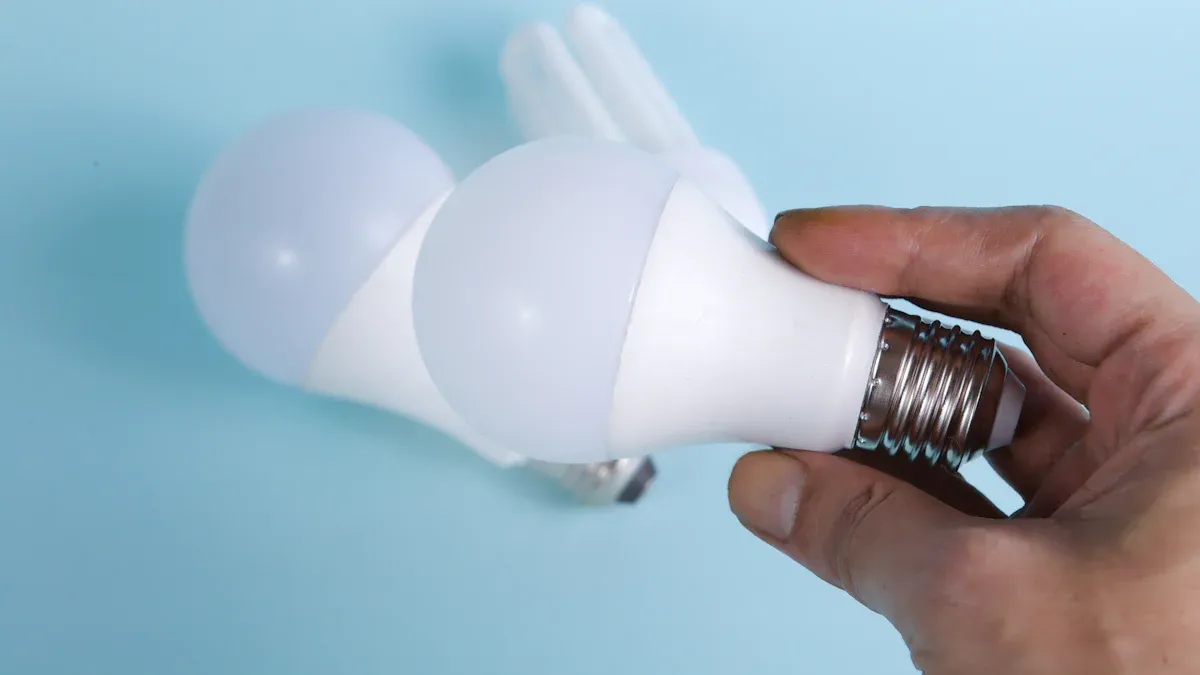
When you shop for lights, you may see "daylight" or "full spectrum bulb" on the box. These names sound alike, but they are not the same. A daylight full spectrum bulb gives off many kinds of light. It has visible, ultraviolet, and infrared light. Regular daylight bulbs mostly give you visible light. They often have a lot of blue light. This is important if you want real colors or need special light for a job.
|
Feature |
Daylight Bulbs |
Full Spectrum Bulbs |
|---|---|---|
|
Spectral Output |
Broad range including visible, UV, and IR |
|
|
Wavelength Emphasis |
Pronounced spike in blue light |
Balanced output across all wavelengths |
|
Ideal Applications |
General illumination and productivity enhancement |
Art, photography, and plant growth |
If you want to grow plants or take pictures, pick a full spectrum bulb. If you just need light for a room, a daylight bulb is fine.
Common Misconceptions
Some people believe things about full spectrum lighting that are not true. Some think a full spectrum bulb will help you sleep better. Others think it gives you enough UV light for your health. Science shows these ideas are not always right.
|
Misconception |
Clarification |
|---|---|
|
Full Spectrum Light Improves Sleep |
Research says it can help you work better, but it does not make sleep much better. |
|
Full Spectrum Fluorescent Lamps Can Provide Enough UV Radiation |
These bulbs do not give enough UV light to help your health. You get as much UV as one minute of sun every eight hours. |
|
Full Spectrum Sources Improve Alertness |
These bulbs can help you feel more awake, but blue white LEDs work better for your body clock and alertness. |
Note: For better sleep, go outside or use blue white LED lights. A daylight full spectrum bulb can help your mood and focus, but not always your sleep.
Practical Selection Tips
It is easy to pick the right full spectrum bulb if you know what to check. Here are some tips to help you choose:
-
Try desk lamps you can move to shine light where you want.
-
Use task lights for each work area in your home.
-
Pick lamps that change height and angle for more control.
-
Put bias lighting behind screens to stop glare.
-
Make sure your room is not too bright or too dark.
You should also look for safety marks like ETL, UL, or CE on the box. These show the bulb is safe and good quality. Check for color temperature between 5000K and 6500K and a high CRI number. If the label says "daylight full spectrum," make sure it has all the colors, not just blue.
Tip: LED bulbs use less power than old bulbs. You save money and help the planet when you use LED full spectrum bulbs.
A full spectrum bulb brings sunlight indoors. You see better colors, your plants grow well, and you feel happier. Pick the bulb that fits what you need.
You now know that full spectrum light brings sunlight inside. It helps you feel happier and see colors better. This kind of lighting can lift your mood and give you more energy. It also helps plants grow strong and healthy. When you buy bulbs, check for high lumens and good energy use. Make sure the color temperature is right for your space. Full spectrum light makes your home or work area brighter and healthier. It also makes the space more comfortable for everyone.
FAQ
What makes full spectrum light different from regular bulbs?
You get all the colors found in sunlight with full spectrum light. Regular bulbs often miss some colors. This means you see truer colors and feel more comfortable indoors.
Can you use full spectrum light for any room?
Yes! You can use it in any room where you want natural-looking light. Many people use it in offices, kitchens, or plant areas.
Is full spectrum light safe for your eyes?
Yes, it is safe for your eyes when you use it as directed. It feels like being outside on a sunny day, but without the risk of sunburn.
Will full spectrum light help your plants grow?
Yes, your plants can grow stronger and healthier under this light. It gives them the right mix of colors they need, just like sunlight.
Medical Disclaimer
The information shared by MicroENE, including testimonials, research summaries, or case studies, is for informational use only and does not constitute medical advice. Individual responses to light therapy may vary, and results from studies or customer experiences do not guarantee similar outcomes with MicroENE devices. Always consult your physician before starting light therapy, and do not alter any medical treatments without professional guidance.