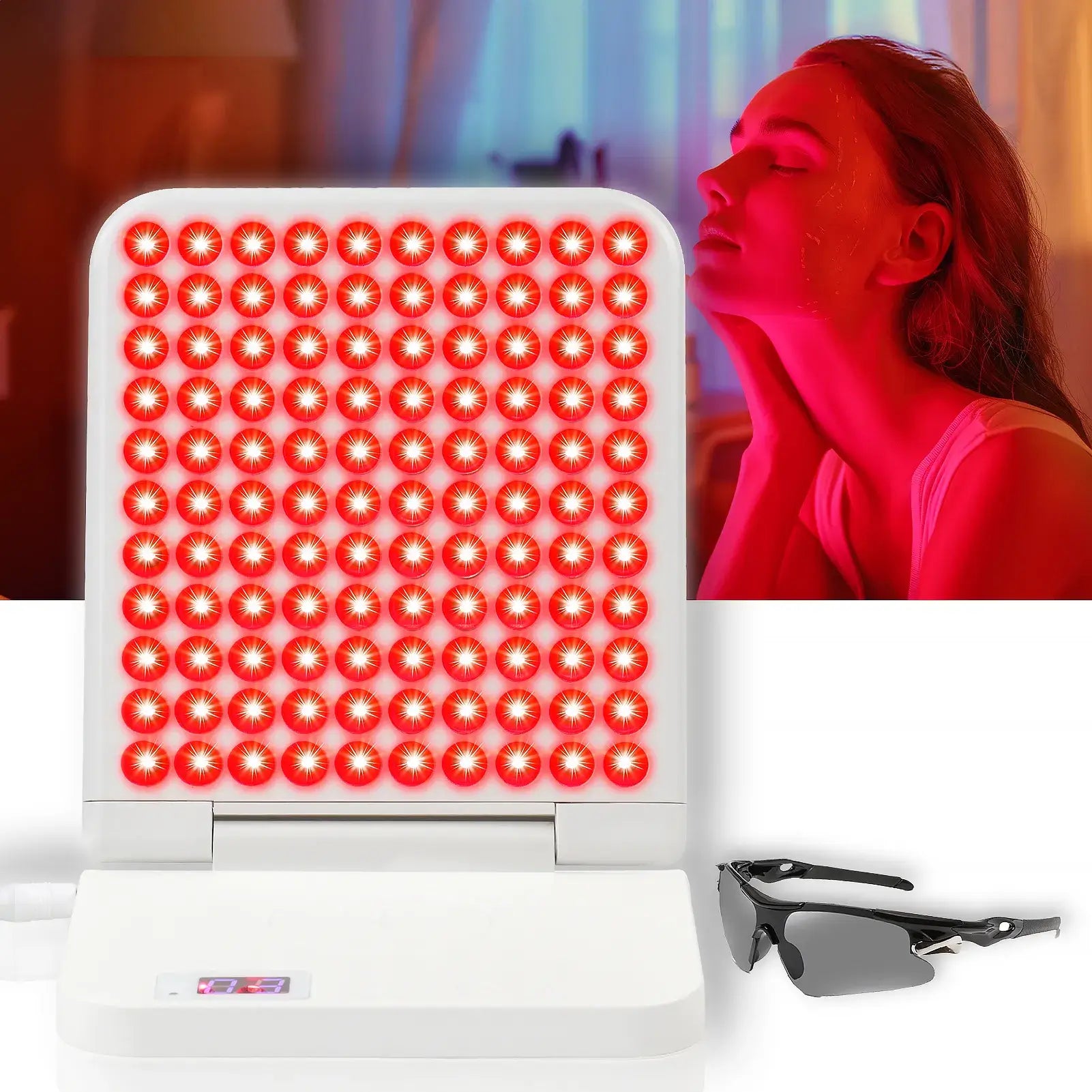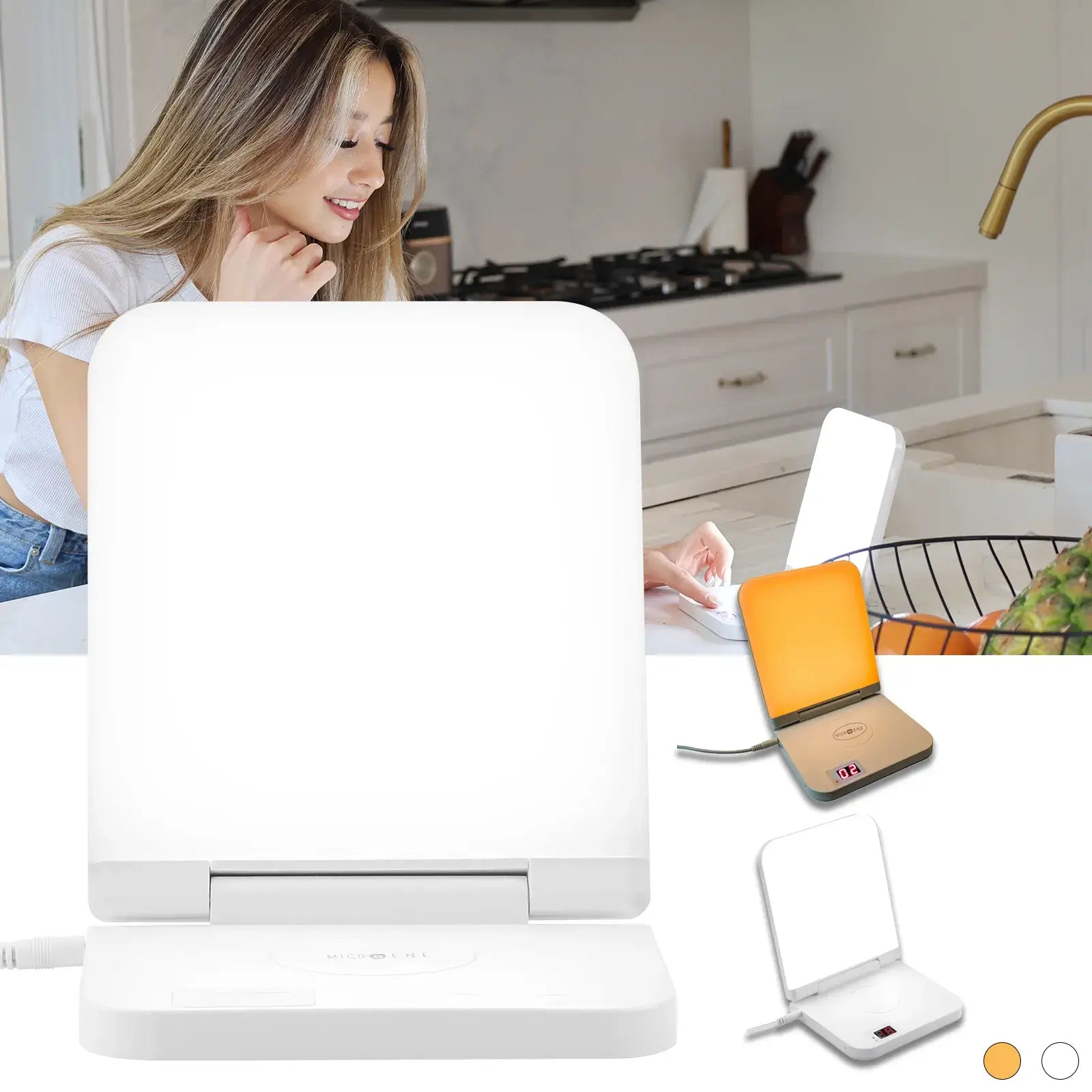
If you feel down every winter, you are not alone. SAD light and light therapy often help people who struggle with seasonal affective disorder. About 5% of adults in the U.S. face this each year. SAD light gives you a boost when days get shorter. Many people use light therapy at home. It can lift your mood and make mornings easier. In fact, about half of those with seasonal affective disorder notice improvement with SAD light. Some people try light therapy for other types of depression, too. You might wonder if SAD light could work for you. Light therapy is safe for most, but you should know how it fits your needs.
Key Takeaways
-
Light therapy works well for seasonal affective disorder (SAD). It helps many people feel better in winter.
-
Using a light therapy lamp for 30 to 60 minutes each morning can help reset your body clock. It can also make your mood better.
-
Light therapy can help people with major depression and perinatal depression. It gives a safe choice instead of medicine.
-
Talk to your doctor before you start light therapy. This is important if you have other health problems or are pregnant.
-
Write down your mood and any side effects in a journal. This helps you find the best routine for your light therapy sessions.
What is SAD Light Therapy?
Seasonal affective disorder, or SAD, can make you feel sad or tired during certain times of the year. Most people notice these feelings in fall or winter when sunlight is limited. SAD light therapy gives you a way to fight back. You use special light therapy lamps at home or in a clinic. These lamps shine bright artificial light that mimics natural sunlight. Doctors often recommend this treatment as a first step for SAD. You do not need medicine to try it. Many people find it easy to use and safe.
How SAD Light Works?
You might wonder how sitting in front of a lamp can help your mood. Light therapy works by exposing you to bright artificial light, usually in the morning. This light helps reset your body’s internal clock, also called your circadian rhythm. When your body gets the right signals from light, you feel more awake and alert. Bright light therapy also affects chemicals in your brain, like serotonin. These changes can lift your mood and help you feel better. Studies show that light therapy can work as well as some medicines for SAD. Some people call this treatment phototherapy.
Tip: For best results, use your light therapy lamps at the same time each day, usually right after you wake up.
Bright Light Therapy Devices
You can find many types of light therapy lamps. Most lamps give off about 10,000 lux of light. This is much brighter than normal indoor lights. You sit near the lamp for about 30 to 60 minutes each morning. Some devices look like small boxes, while others are flat panels. You can use them at home, at work, or even while reading.
Here’s a quick look at cost and coverage:
|
Coverage Type |
Details |
|---|---|
|
Medicare Coverage |
Covers FDA-cleared home units as durable medical equipment (DME) with specific requirements. |
|
Coinsurance |
After meeting the annual deductible, a 20% coinsurance applies for approved treatments and devices. |
Some insurance plans may help pay for light therapy if your doctor says it is medically needed. If not, you might need to pay for the device yourself. Prices can vary, so check with your provider before you buy.
Depression Types Treated with Light Therapy
You may wonder if light therapy helps only with seasonal depression. It can also help with other types of depression. Let’s look at which kinds of depression get better with this treatment and what you might expect.
Seasonal Affective Disorder (SAD)
Seasonal affective disorder is the main kind of depression treated with light therapy. Many people feel sad or tired when winter comes. This is called seasonal depression. You may have trouble getting out of bed or feel down. These are common signs of sad.
Doctors look for a pattern to diagnose sad. You need to have symptoms in fall or winter that go away in spring or summer. This pattern should last at least two years. Here is a table showing what doctors check:
|
Diagnostic Criteria for SAD |
Description |
|---|---|
|
≥2-year period of seasonally related changes in mood |
You must have mood changes for at least two years. |
|
Fall or winter depression |
Symptoms start in fall or winter. |
|
Spring or summer symptom remission |
Symptoms get better in spring or summer. |
|
Atypical depressive symptoms |
You may sleep and eat more than usual. |
|
Vegetative depressive symptoms |
You might feel tired and sleep differently. |
|
Spring or summer manic or hypomanic symptoms |
Some people feel more energy in spring or summer. |
|
Functional impairments |
Depression can make daily life harder. |
|
Risk factors |
Where you live, your family, and your gender matter. |
Light therapy is a top way to treat sad. You use a special lamp that gives off bright light in the morning. This helps reset your body clock and can lift your mood. Studies show light therapy works as well as some medicines. The Can-SAD study found both light therapy and fluoxetine worked, but light therapy worked faster and had fewer side effects. You might use light therapy with other treatments like SSRIs or cognitive behavioral therapy.
Note: If you have severe seasonal depression or do not feel better with light therapy alone, your doctor may suggest medicine.
Major Depression
You may wonder if light therapy helps with major depression too. New research says it can help. Clinical trials have studied both seasonal and non-seasonal depression. Bright light therapy can help people with major depression feel better. A review of 15 studies showed people who used bright light therapy for two weeks or less, with daily sessions of 60 minutes or more, had better results. People with seasonal depression had response rates from 64% to 69%. For those with subsyndromal sad, rates were between 40% and 67%. This means many people with major depression can get help from light therapy, but results are different for everyone.
Younger people often do better with light therapy. If your depression is more severe, you might see less change. How long, how bright, and how often you use the lamp matters. Everyone is different, so you may need to try different ways to see what works best.
Tip: If you have major depression, talk to your doctor before starting light therapy. You may need other treatments too.
Perinatal Depression
Perinatal depression happens during pregnancy or after a baby is born. You may feel sad, tired, or have trouble sleeping. Bright light therapy is a good choice for perinatal depression because you can use it at home and it has fewer side effects than medicine. This treatment is safe for moms and babies. It may help mood by affecting serotonin and estrogen, which change during pregnancy.
Bright light therapy can also help with tiredness and sleep problems, which are common in perinatal depression. Only a few studies have looked at light therapy for this kind of depression, but results look good. You may want to try it if you want to avoid medicine or if your symptoms are mild or moderate.
Callout: Always check with your healthcare provider before starting bright light therapy, especially if you are pregnant or breastfeeding.
Other Types of Depression Studied
Researchers have tested light therapy for different types of depression:
-
Seasonal affective disorder (SAD)
-
Major depression
-
Perinatal depression
You may hear about blue-light therapy, but we do not know yet if it works for seasonal depression or major depressive disorder. How well light therapy works depends on your age, your symptoms, and how you use the lamp.
If you feel sad in winter or have other kinds of depression, light therapy could help. It is safe, easy to use, and works for many people. You may need to use it with other treatments for the best results.
Effectiveness and Safety of Bright Light Therapy
How Effective is Light Therapy?
You may wonder if bright light therapy really helps depression. Many people notice big changes. More than half of people with seasonal affective disorder feel much better after using it. If your symptoms are moderate or severe, you still have a good chance. About 43% of these people feel a lot better. When you use the lamp matters. For best results, start using it within 30 minutes after waking up. Most people use a lamp that gives off 2,500 to 10,000 lux for at least 30 minutes. Some people need up to two hours. If you fall asleep or wake up too early, you might use the lamp in the evening. Older adults with sleep problems often use it between 9:00 and 11:00 AM. You can try different times to see what works for you.
Safety and Side Effects
Bright light therapy is safe for most people, but there are some side effects. Some people get eye strain or blurry vision. About 22% feel eye strain, and 12% get blurry vision. You might also get headaches or feel dizzy if you use the lamp too long. If your skin is sensitive, you could get redness or itching. Using the lamp without eye protection can cause problems, especially if you already have eye issues. Using the lamp for a long time may raise your risk for cataracts or skin cancer, especially if you take certain medicines. Always follow the directions and protect your eyes.
Who Should Use SAD Light?
Not everyone should use bright light therapy. If you have had mania, photosensitive skin, or take medicines that make you sensitive to light, you need to be careful. People with eye problems or those using herbs like St. John’s wort should talk to a doctor first. Patients with porphyria or those on drugs like methotrexate or chloroquine should not use most types of light therapy.
The Mayo Clinic says, "It's always a good idea to talk to a doctor before starting light therapy, but it's especially important if: You have a condition that makes your skin especially sensitive to light, such as systemic lupus erythematosus; You take medications that increase your sensitivity to sunlight, such as certain antibiotics, anti-inflammatories or the herbal supplement St. John's Wort; You have an eye condition that makes your eyes vulnerable to light damage; You have a history of skin cancer."
If you want a safe and helpful way to treat depression, bright light therapy could help. Always check with your doctor before you start.
What to Expect from Seasonal Depression Treatment?
Starting Light Therapy
When you begin light therapy sessions, you might feel excited or a little nervous. Most people start with short sessions of 10 to 15 minutes. You can slowly add 5 minutes each day until you reach about 20 to 30 minutes. This helps your body adjust and keeps side effects low. Some people notice mild problems at first, like headaches, eye strain, or feeling jittery. You might also have trouble sleeping if you use the lamp too late in the day. Try to use your lamp before 2 pm, and keep it about 16 to 24 inches away from your face at a slight angle.
Tip: Keep a simple journal to track your mood and any side effects. This helps you and your doctor find the best routine for you.
Typical Results and Timeline
You probably want to know how soon you will feel better. Some people notice a small boost in mood after just one hour. Here’s a quick look at what studies show:
|
Measure |
Improvement After 1 Hour |
Statistical Significance |
|---|---|---|
|
BDI-II |
-1.3 |
p = 0.02 |
|
POMS-D |
-1.2 |
p = 0.02 |
Most people see bigger changes after two weeks of daily sessions. Early improvement often means you will do well over the next few weeks. Doctors suggest checking your mood with a simple survey before you start, then again at two and four weeks. If you feel better after one hour, you may have a good long-term outcome.
When to Seek Medical Advice?
Sometimes, you may need extra help during treatment. Watch for these signs and talk to your doctor if you notice them:
-
Agitation or feeling restless
-
Headaches that do not go away
-
Nausea
-
Trouble sleeping, especially if you cannot fall asleep
-
Skin rashes or eye problems
-
Mood swings, especially if you have bipolar disorder
If you take medicine that makes your skin or eyes sensitive to light, check with your doctor before starting. Always use a high-quality, UV-free lamp and follow your doctor’s advice. Staying safe helps you get the most from your sessions.
You now know SAD light therapy helps with seasonal affective disorder. It can also help people with major depression or perinatal depression. Doctors say light therapy is not the strongest choice for major depression. But some studies show it works better than other treatments. Look at this table from new research:
|
Study Year |
Sample Size |
Findings |
|---|---|---|
|
2015 |
46 |
Not much proof it stops depression. |
|
2004 |
98 |
Light therapy and exercise both help people. |
|
2001 |
57 |
More than 40% had fewer symptoms after 4 weeks. |
Talk to your doctor before you try light therapy. You can use light therapy with other treatments for better results. Be safe and make goals you can reach.
FAQ
How soon will I feel better with light therapy?
You might notice a small mood boost after a few days. Most people feel much better within two weeks. Keep using your lamp daily for best results.
Can I use light therapy at night?
Doctors recommend using your lamp in the morning. Using it late in the day can make it hard for you to fall asleep. Try to use it right after you wake up.
Do I need a prescription for a SAD lamp?
You do not need a prescription to buy a SAD lamp. Some insurance plans may cover the cost if your doctor says you need one. Always pick a lamp made for light therapy.
Is light therapy safe for kids or teens?
Light therapy is usually safe for young people. You should talk to your child’s doctor before starting. The doctor can help you choose the right lamp and routine.
What if I wear glasses or contacts?
You can use light therapy with glasses or contacts. Just make sure your eyes get the light. Do not wear sunglasses during your session.
Medical Disclaimer
The information shared by MicroENE, including testimonials, research summaries, or case studies, is for informational use only and does not constitute medical advice. Individual responses to light therapy may vary, and results from studies or customer experiences do not guarantee similar outcomes with MicroENE devices. Always consult your physician before starting light therapy, and do not alter any medical treatments without professional guidance.