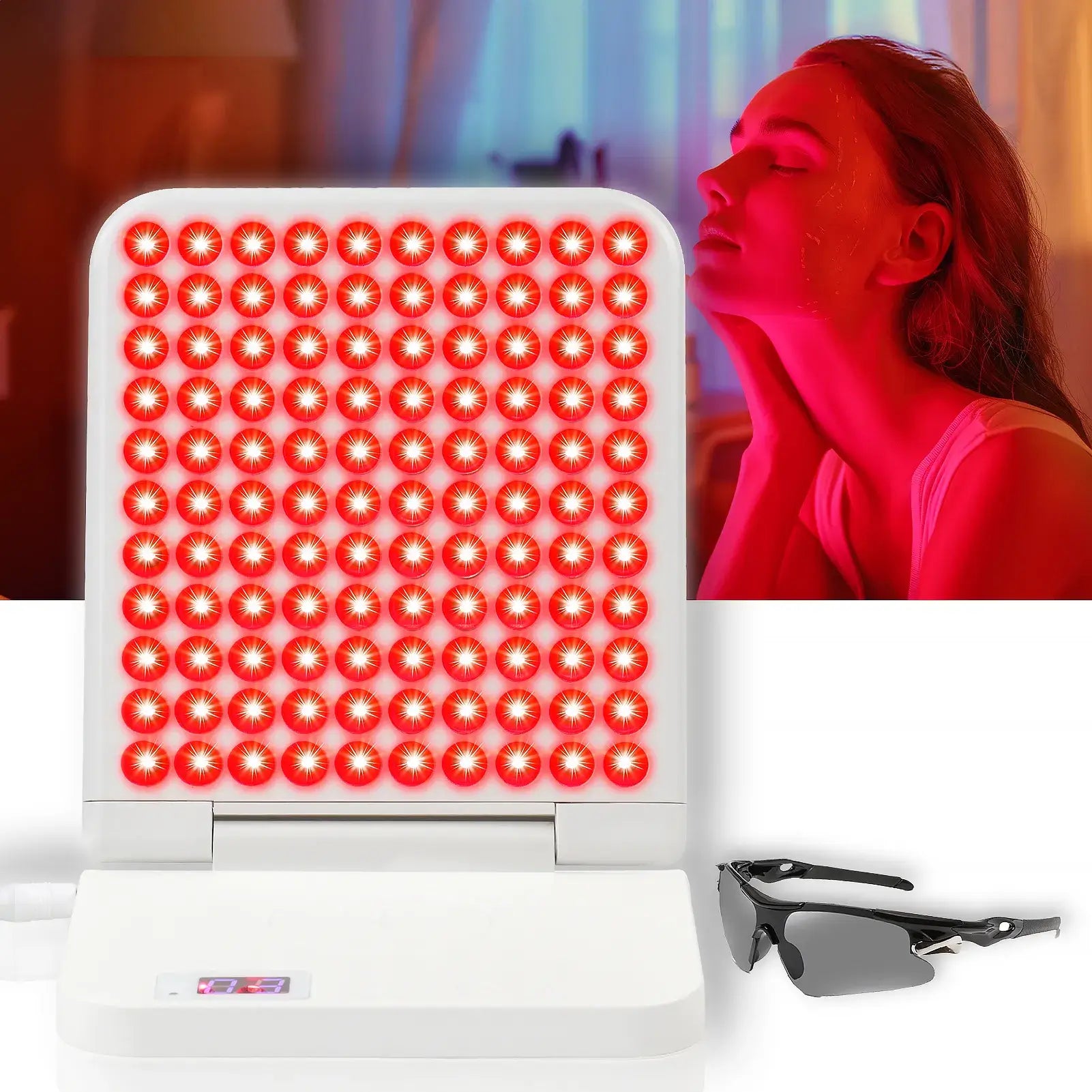
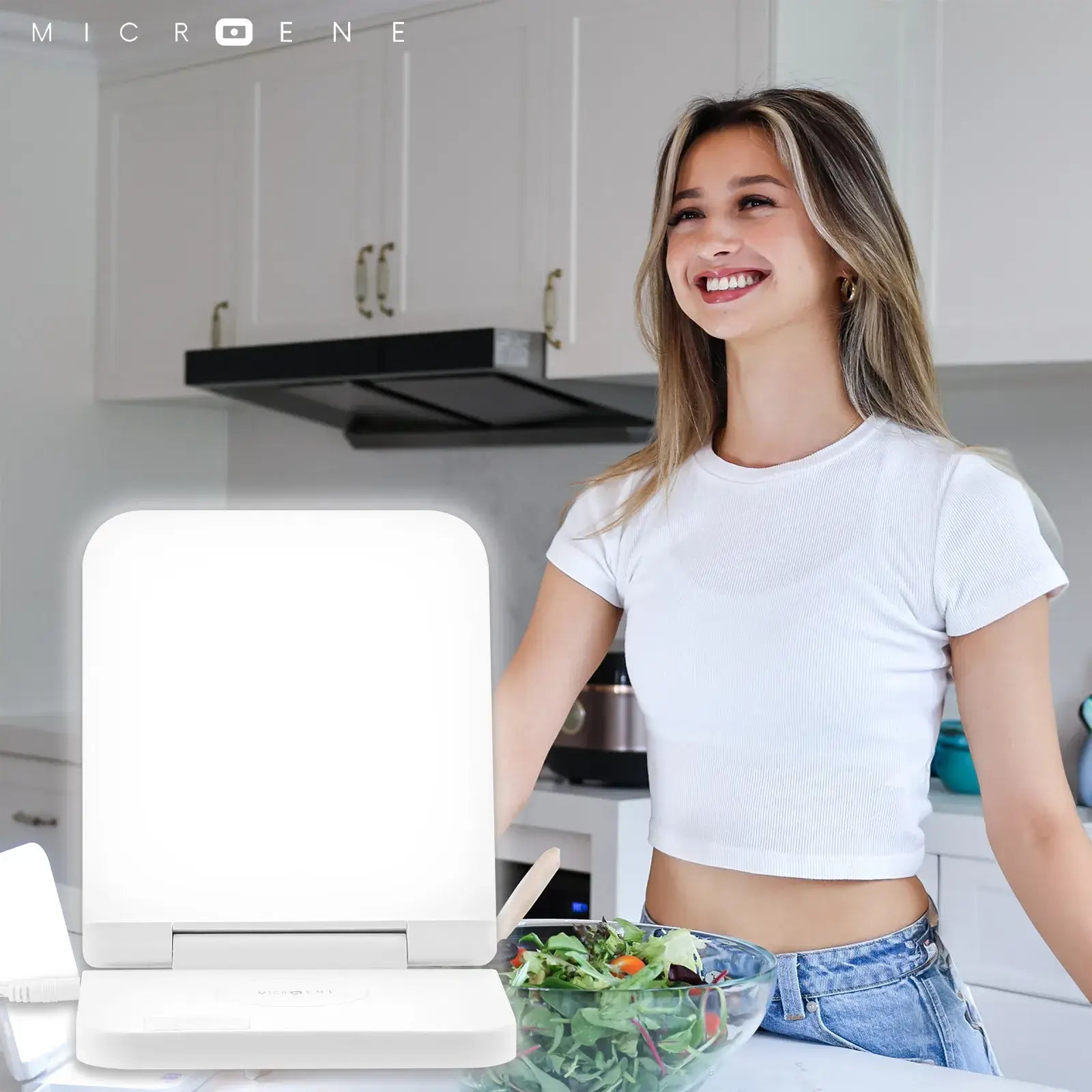
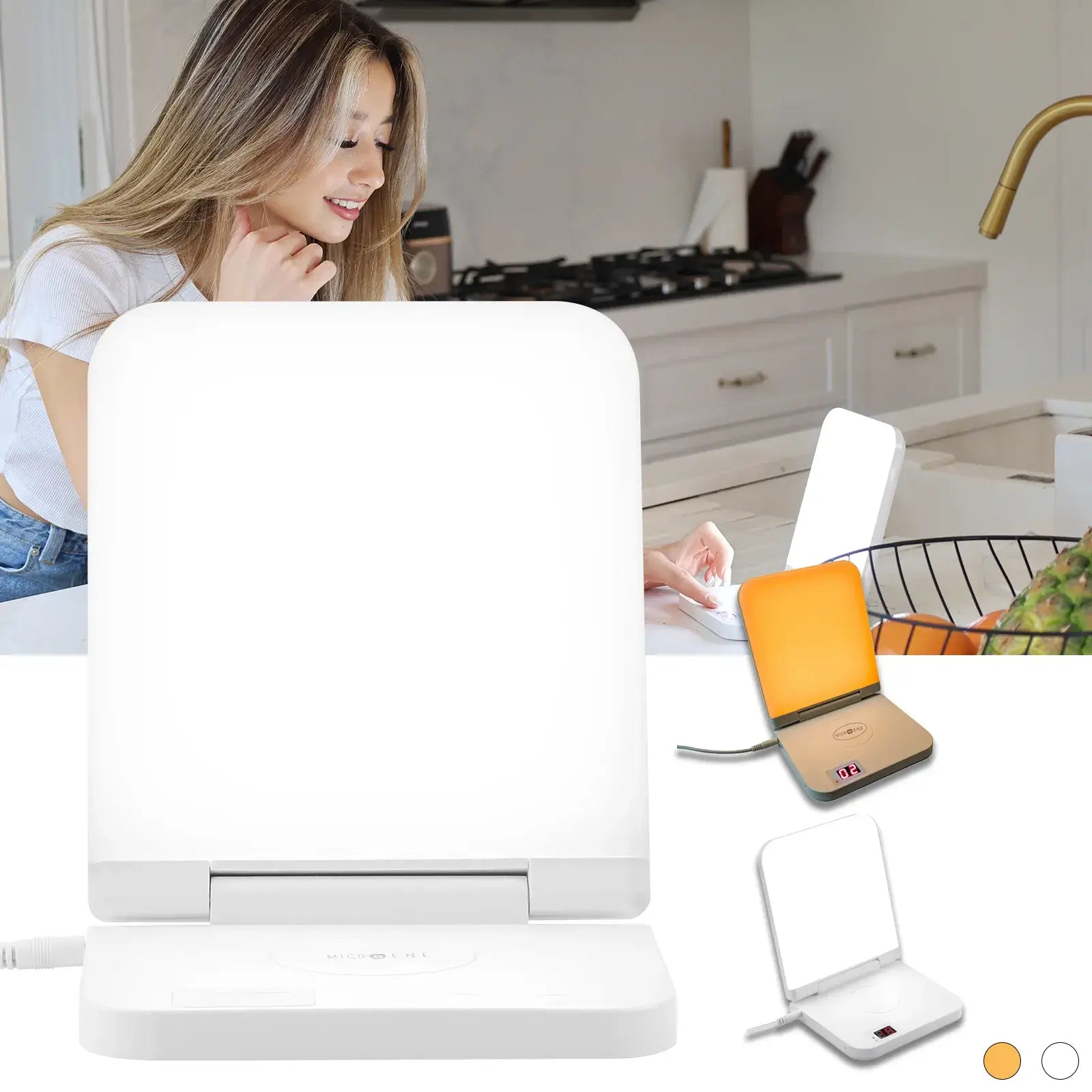
You might notice your mood drops when winter rolls in and sunlight fades. A sad light can help you feel better by simulating sunlight indoors. When you use this light, it enters your eyes and travels to your brain, where it helps regulate serotonin and melatonin. These chemicals boost your mood and help you sleep. You should think of a sad light as a supportive tool for the treatment of sad, not a cure. Many people find it useful, especially if you need extra energy or better sleep during darker months.
Key Takeaways
-
SAD lights copy sunlight inside your home. They help you feel happier and give you more energy in winter.
-
Using a SAD light for 20 to 30 minutes each morning can help your body make more serotonin. It also lowers melatonin. This helps you sleep better and feel more awake.
-
About 60-80% of people with seasonal affective disorder feel better after using light therapy often.
-
Light therapy works best when you use it with other treatments. Cognitive-behavioral therapy is one example. This helps keep your mood steady for a long time.
-
Always talk to a doctor before you start light therapy. This is very important if you have health problems or get side effects.
How SAD Light Therapy Works?
Mimicking Sunlight Indoors
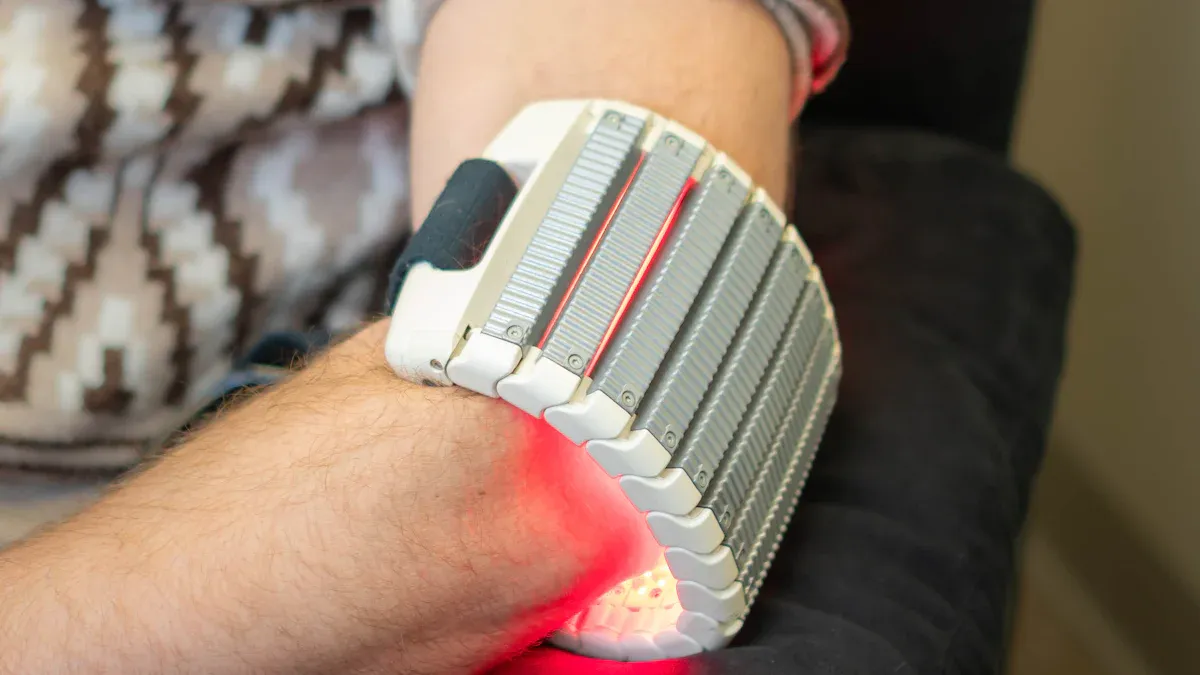
When you use light therapy, you bring the power of sunlight right into your home. A special lamp gives off a bright, white light that feels like a sunny day. This is not just any lamp. The light is much stronger than regular indoor lights. You sit near the lamp, and the light enters your eyes. Your brain thinks you are outside in the sun. This simple trick can make a big difference in how you feel.
Bright light therapy works because your body reacts to light. Your brain uses light to set your internal clock, also called your circadian rhythm. When you get enough light in the morning, your body knows it is time to wake up and feel alert. Many people notice that bright light therapy helps them feel more awake and happier, especially during the winter months. Studies show that bright light therapy is more effective than a placebo for lifting mood. It even affects a part of your brain called the lateral habenula, which helps control your emotions.
Effects on Serotonin and Melatonin
Light therapy does more than just wake you up. It also changes important chemicals in your brain. When you use bright light therapy, your brain makes more serotonin. Serotonin is a chemical that helps you feel happy and calm. At the same time, bright light therapy lowers melatonin, which is the chemical that makes you sleepy.
-
Using a light box for at least 30 minutes each day can boost your serotonin levels.
-
Sunlight and bright light therapy both help your brain make more serotonin, which can fight off feelings of sadness.
-
Many studies show that the stronger the light, the better the results for people with seasonal affective disorder.
You might notice that you sleep better and feel more energetic after using light therapy. Your mood can improve, and you may find it easier to get through the day. Light therapy gives your brain the signal it needs to balance these chemicals, helping you feel your best.
Benefits for Seasonal Affective Disorder

Mood Improvement
When days get shorter, you might feel sad. A sad light can help you feel better. Light therapy tells your brain to make more serotonin. Serotonin helps you feel happy and less worried. Many people feel better after a few days of using a sad light.
-
Around 60-80% of people with seasonal depression feel better with light therapy.
-
Some people with major depression need more help, like medicine, if light therapy does not work well enough.
Using light therapy works best if you do it every morning. You can sit by your lamp while you eat or read. This easy habit can help you start your day feeling happier.
Energy Boost
Winter can make you feel tired and slow. Light therapy can give you more energy. When you use a sad light, your body makes less melatonin. This helps you feel more awake. You may notice you get more things done, even when it is cloudy.
Here is a quick look at how light therapy helps with energy:
|
Evidence Type |
Description |
|---|---|
|
Treatment Method |
Bright-light therapy works well for treating Seasonal Affective Disorder (SAD). |
|
Effectiveness |
Phototherapy can lower melatonin and helps up to 85% of people with SAD. |
|
Study Reference |
A study at Brigham and Women's Hospital shows bright light can help reverse SAD symptoms. |
|
Light Exposure |
You need at least 2,500 lux for SAD treatment; devices give much more light than regular bulbs. |
|
Comparison |
A sunny day gives over 100,000 lux, showing how strong light therapy needs to be. |
You do not need to go outside for hours to feel better. Just 30 minutes with a sad light can help a lot. Many people with SAD say they feel more awake and ready for the day after using their light in the morning.
Sleep Quality
Winter can make it hard to sleep well. Light therapy helps your body set a good sleep schedule. Using your sad light in the morning tells your brain it is time to wake up. This helps you fall asleep easier at night and wake up feeling rested.
Many people with depression or SAD sleep better after a few weeks of using light therapy. It can help you feel less tired during the day and sleep better at night. Over time, your sleep can become more regular, which helps your mood and energy.
Note: Light therapy is a helpful tool for sad and seasonal depression, but it is not a cure. Some people need other treatments, like medicine or therapy, if their symptoms are strong or last a long time.
You might feel better quickly, but it can be hard to keep using light therapy for a long time. Studies show about half of people stop using light therapy after a few seasons. If you want to keep feeling better, you may need to use other treatments too, like cognitive-behavioral therapy. This can help you manage symptoms and lower the chance of feeling sad again.
Who Should Use a SAD Light?
Seasonal Affective Disorder (SAD) Sufferers
If you feel sad every year when days get shorter, you might have seasonal affective disorder. You may feel tired and not want to do things you like. You might also want to eat more sweet foods. Doctors use special questions to check for these changes. They look at where you live and how much stress you have. They also ask how you feel in winter. If you have these signs, a sad light can help as part of your treatment.
Here are some common symptoms people with seasonal affective disorder have:
|
Symptoms of SAD |
|---|
|
Loss of interest in activities |
|
Irritability or agitation |
|
Changes in appetite (craving carbohydrates) |
|
Difficulty sleeping or oversleeping |
|
Fatigue or low energy levels |
|
Difficulty concentrating |
|
Feelings of worthlessness or guilt |
|
Social withdrawal and isolation |
|
Thoughts of self-harm or suicide |
Doctors often say to try light therapy first. You can also take medicine or talk to someone for help. The best treatment is different for everyone.
People with Sleep Issues
You might not have depression but still have trouble sleeping, especially in winter. Light therapy can help fix your sleep schedule. Many people who use a light box in the morning fall asleep faster at night. They also wake up feeling more rested. Studies show this treatment can help you sleep better, give you more energy, and make you feel happier.
|
Findings |
Description |
|---|---|
|
Exposure to artificial light benefits mood in sub-SAD sufferers. |
|
|
Energy Levels |
Light therapy enhances energy levels. |
|
Sleep Quality |
Participants reported improved sleep quality. |
If you cannot sleep well, you can ask your doctor about using a sad light in the morning.
Those with Low Energy in Winter
Do you feel tired or slow when winter comes but do not have full depression? Many people in northern places feel this way. Light therapy is safe for low energy and mild seasonal depression. Even if you do not have all the signs of seasonal affective disorder, you can still get help from light therapy.
|
Study Type |
Findings |
|---|---|
|
Light therapy is effective for both SAD and non-seasonal depression. |
|
|
Review of 23 studies (1120 patients) |
Light therapy significantly outperforms comparative treatments. |
|
Sub-syndromal SAD (SSAD) |
Affects 10-15% of higher latitude populations and can be treated with light therapy. |
You can use a sad light if you want more energy, better sleep, or a happier mood during the winter. Always talk to your doctor to find what works best for you.
What to Expect from Bright Light Therapy?
Typical Results and Timeline
When you start using light therapy, you probably want to know how soon you will feel better. Most people notice changes in their mood and energy after a few days or weeks. If you use bright light therapy for seasonal sadness, you may see a slow but steady improvement from fall to spring. For non-seasonal depression, it can take two to five weeks to feel the full benefits.
Here’s a quick look at how long it usually takes:
|
Condition |
Timeline for Benefits |
|---|---|
|
Non-seasonal depression |
2 to 5 weeks |
|
Seasonal affective disorder |
Gradual improvement from fall to spring |
You should use your light therapy lamp every morning for the best results. Try to make it part of your daily routine, like brushing your teeth. Many people feel more awake and happier after just a few sessions. If you keep using bright light therapy, you may notice your mood stays more stable during the seasonal changes.
Tip: Set your light therapy lamp near where you eat breakfast or read in the morning. This makes it easy to remember and helps you stick with it.
Common Experiences
Most people find light therapy safe and easy to use. You might feel more alert and have more energy during the seasonal months when sunlight is low. Some people even say they sleep better and feel less stressed. Still, a few people notice mild side effects, especially when they first start bright light therapy.
Here’s what users often report:
|
Positive Experiences |
Negative Experiences |
|---|---|
|
Headaches |
|
|
Few side effects |
Blurry vision |
|
|
Fatigue |
|
|
Eye strain |
If you get a headache or your eyes feel tired, try sitting a little farther from the lamp. Most side effects go away after a few days. If you have questions or feel unsure, talk to your doctor. Light therapy helps many people with seasonal sadness, low energy, and even some types of depression. You can expect a brighter mood and more energy as you keep using it.
Using a SAD Light Safely
Best Practices
You want to get the most out of bright light therapy while keeping things safe and simple. Here are some steps you can follow for the best results:
-
Use your lamp within the first hour after you wake up. This helps set your body clock for the day.
-
Pick a lamp that gives off 10,000 lux. This is the level experts recommend for the treatment of sad and other seasonal mood changes.
-
Place the lamp about 16 to 24 inches from your face. Always check the instructions that come with your lamp.
-
Angle the lamp so the light shines down from above, just like sunlight.
-
Keep your eyes open, but don’t look straight into the light.
-
Start with 20 to 30 minutes each morning. If you have more severe seasonal depression, you might need longer sessions.
Tip: Choose a lamp with a large light face and make sure it’s UV-free. Brands like MicroENE are often recommended for the treatment of seasonal symptoms.
Safety Tips
Bright light therapy is safe for most people, but you should know about possible side effects and who should avoid this treatment. Here’s a quick look at what you might notice:
|
Side Effect |
What You Might Feel |
|---|---|
|
Headaches |
Mild pain in your head |
|
Eye Strain |
Tired or sore eyes |
|
Irritability |
Feeling cranky |
|
Insomnia |
Trouble sleeping |
|
Potential Mania |
Unusual excitement |
If you feel any of these, try using the lamp for a shorter time or move it farther away. Some people with eye conditions like macular degeneration or glaucoma should not use bright light therapy. If you have bipolar disorder, this treatment can sometimes trigger mania, so always talk to your doctor first. People with diabetes, lupus, or skin cancer should also check with a healthcare provider before starting any seasonal depression treatment.
-
Start with a lower-strength lamp if you’re sensitive to light.
-
Use the lamp for less time at first, then slowly increase.
-
If side effects stick around, cut back on your sessions.
-
Always ask your doctor before starting bright light therapy, especially if you have other health problems.
Bright light therapy can be a great part of your seasonal depression treatment plan. You just need to use it the right way to stay safe and get the best results.
You can use a sad light to help you feel better in winter. It can help your mood, give you more energy, and help you sleep. Many people with seasonal affective disorder see changes when they use light therapy every day. Here are some things to remember:
-
Light therapy works best when it is part of a full plan.
-
Most people get the most help when they use light therapy with other treatments.
-
About 60% to 80% of people with seasonal affective disorder feel better when they use light therapy as part of their treatment.
|
Treatment Approach |
Outcome Description |
Relapse Rate (%) |
|---|---|---|
|
Light Therapy Alone |
Over 60% had their symptoms come back |
> 60 |
|
Light Therapy + Cognitive-Behavioral Therapy |
No one had their symptoms come back, showing better long-term results |
0 |
For the best results, talk to your doctor. They can help you choose the right plan for you.
FAQ
How long should you use a SAD light each day?
You should use your SAD light for about 20 to 30 minutes every morning. This routine helps your body adjust and supports your treatment plan. If your doctor suggests a longer session, follow their advice.
Can you use a SAD light at night?
You should not use a SAD light at night. Using it in the evening can confuse your body clock and make it harder to sleep. Morning use works best for your treatment and helps you feel more awake.
Is light therapy safe for everyone?
Most people find light therapy safe. If you have eye problems or certain health conditions, talk to your doctor before starting treatment. Some people may notice mild side effects, but these usually go away quickly.
Do you need a prescription for a SAD light?
You do not need a prescription to buy a SAD light. Many people use it as part of their treatment for seasonal sadness. Ask your doctor if you have questions about which lamp works best for you.
Can light therapy replace other treatments for depression?
Light therapy helps many people, but it does not replace other treatments for depression. You may need medicine or counseling along with light therapy. Always talk to your doctor to build the best treatment plan for you.
Medical Disclaimer
The information shared by MicroENE, including testimonials, research summaries, or case studies, is for informational use only and does not constitute medical advice. Individual responses to light therapy may vary, and results from studies or customer experiences do not guarantee similar outcomes with MicroENE devices. Always consult your physician before starting light therapy, and do not alter any medical treatments without professional guidance.