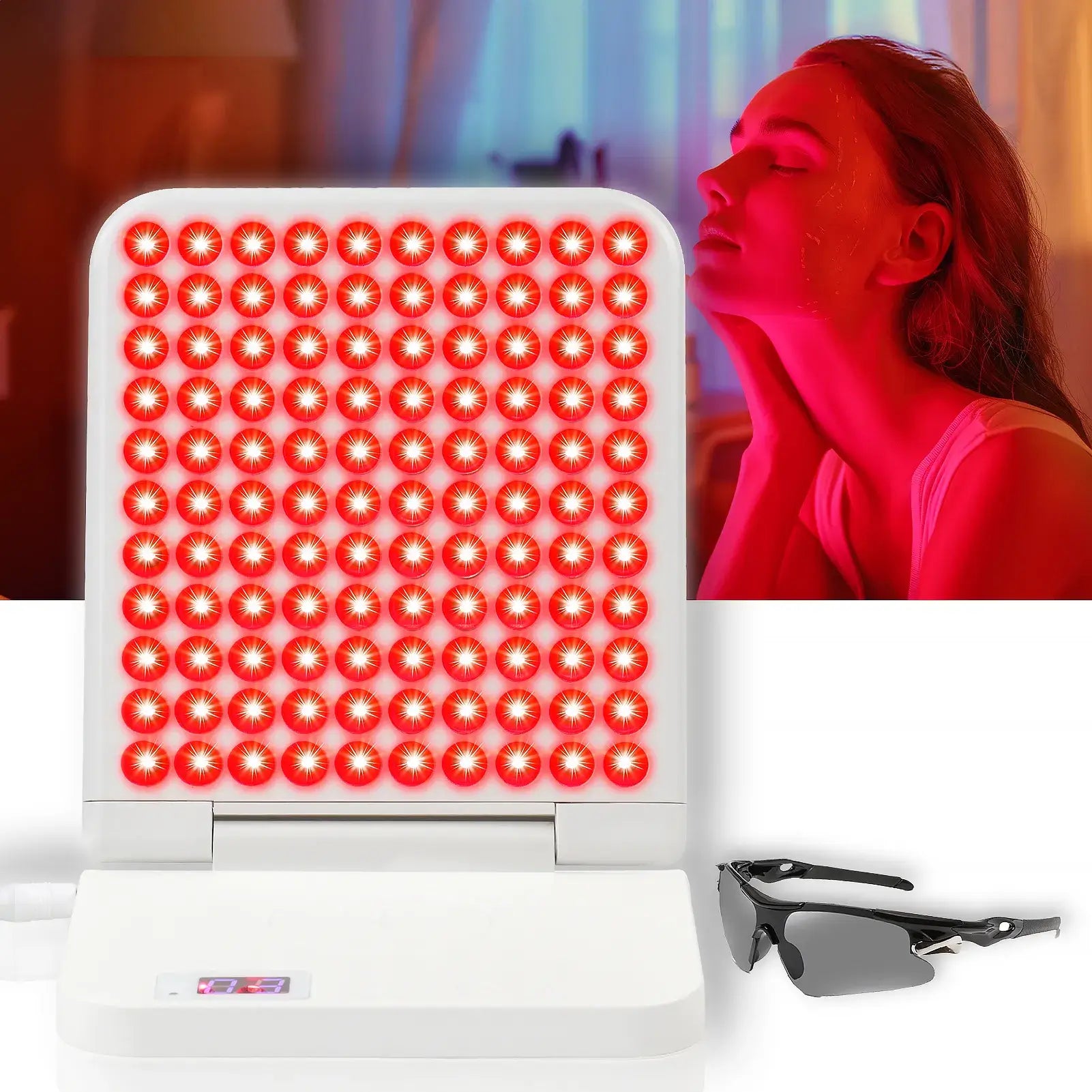
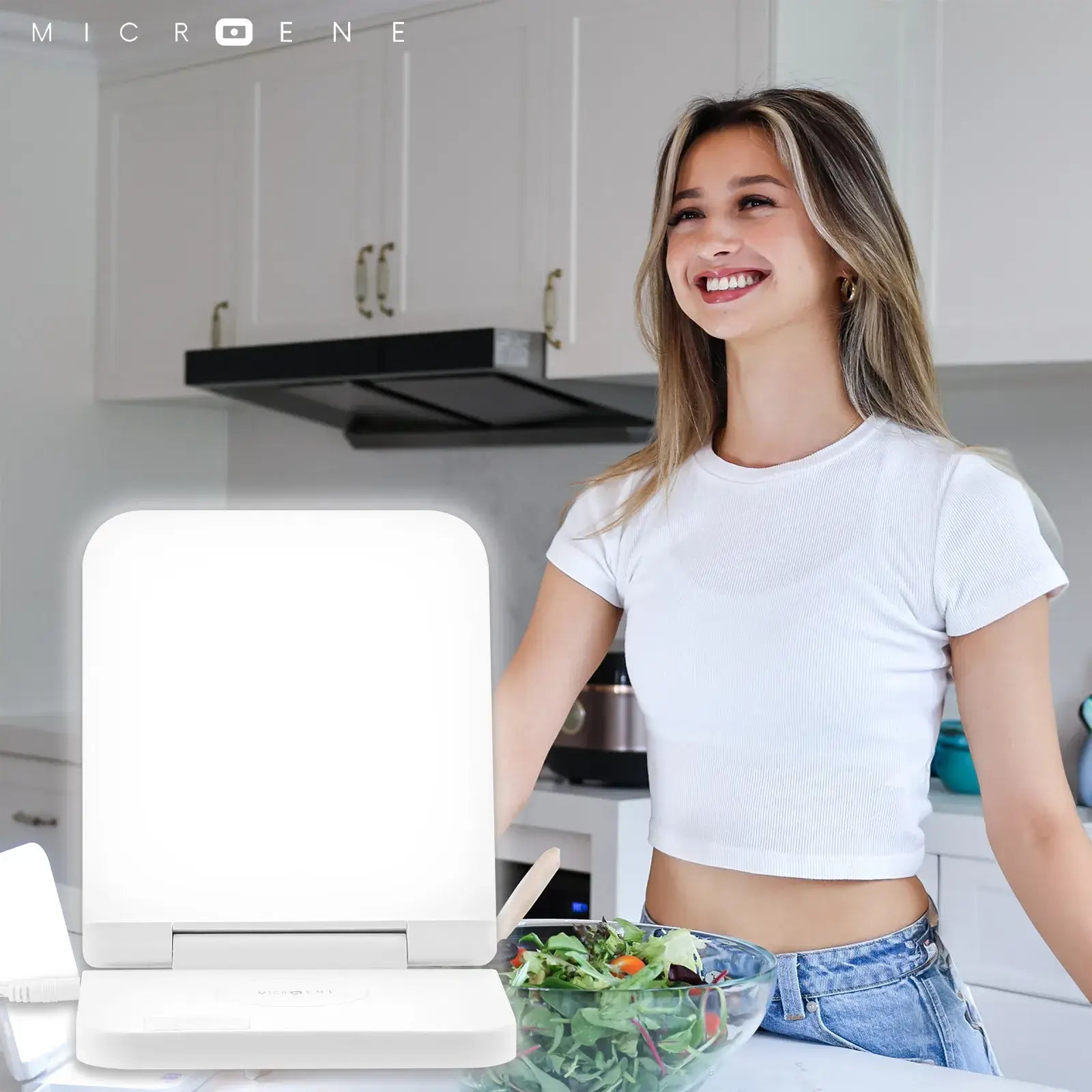
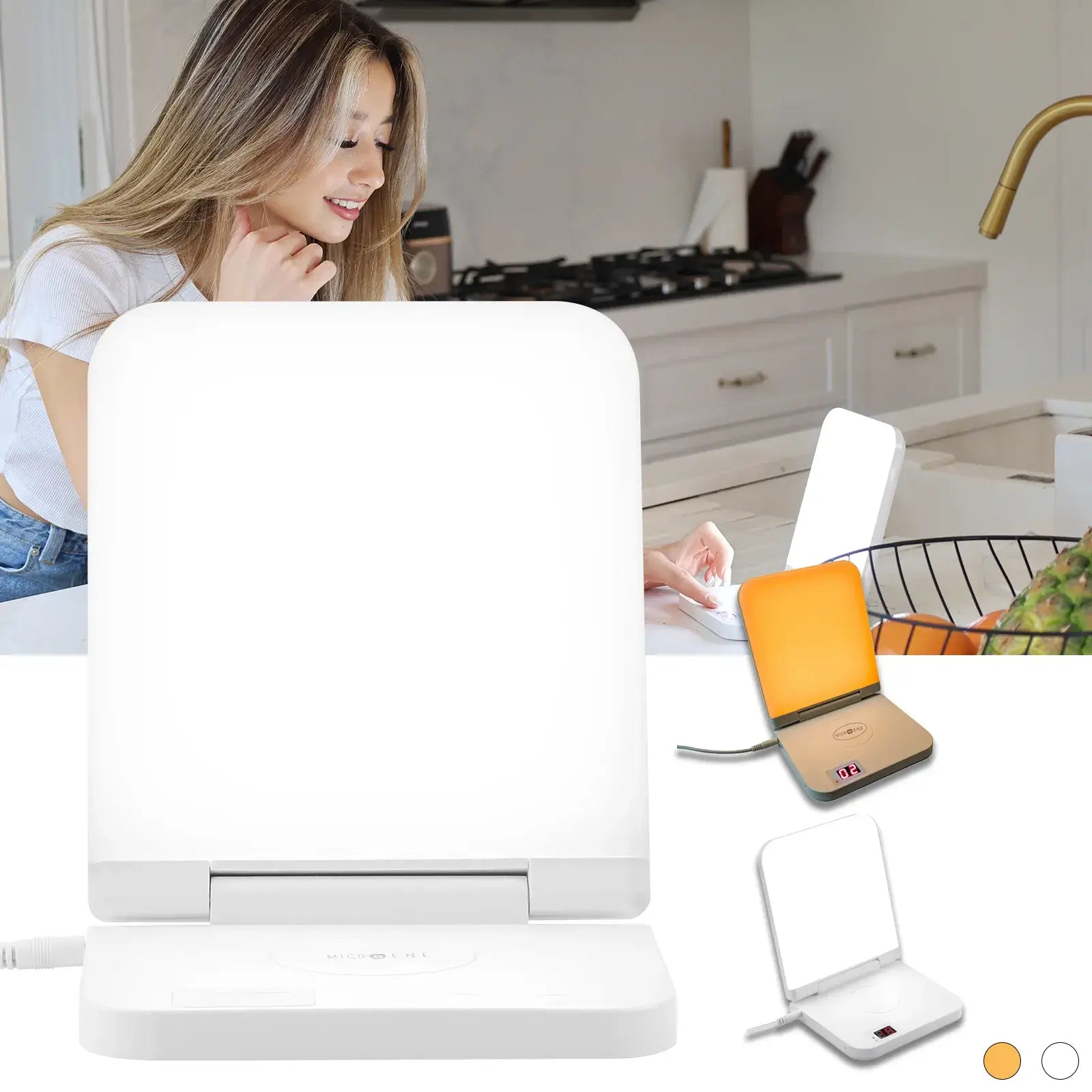
You may wonder if low level light therapy has side effects. Most people only have mild and short reactions. You might see some redness or feel a little warmth. Serious problems are very rare. Studies show non thermal led light and soft laser therapy are safe for many skin types. Many people pick low level laser therapy, low power laser therapy, and cold laser therapy because they are gentle and do not hurt. Treatments like red light therapy for pain, arthritis, skin, and acne give another choice besides regular methods. Hair thinning treatment with low-level laser therapy is common because big lllt side effects almost never happen.
Key Takeaways
-
Most side effects of low level light therapy are not serious. They do not last long. You may get red skin or feel a little uncomfortable.
-
You should wear protective eyewear during treatments. This helps keep your eyes safe from bright light.
-
Read and follow the device instructions carefully. This helps you avoid bad side effects like burns or blisters.
-
Talk to your doctor before you start light therapy. This is important if you have sensitive skin or health problems.
-
Check your skin and eyes after each session. Stop the treatment if you see anything strange or different.
Common LLLT Side Effects
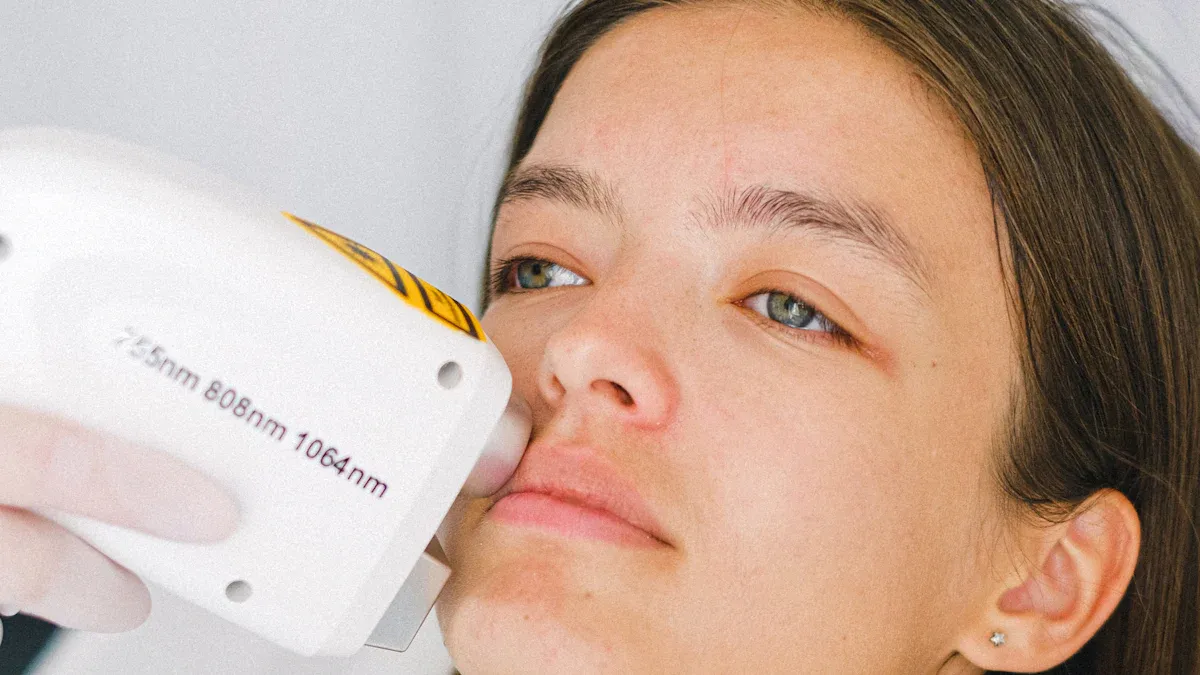
If you try light therapy, you may wonder what will happen. Most people say lllt side effects are not bad and go away fast. Here are the most common side effects you might see with red light therapy and other light therapy.
Skin Redness and Irritation
Your skin might look a little red after using red light therapy devices. This is one of the main lllt side effects people talk about. The redness usually goes away in a few hours. You might worry about your skin, but studies show serious problems almost never happen. For example, one study had 170 people use low level light therapy for their face. No one had any bad reactions. So, most people do not need to worry about skin irritation.
Tip: If your skin stays red for more than a day or gets worse, stop using your device and ask your doctor.
Temporary Discomfort at Treatment Site
Sometimes, you might feel a little sore where you use red light therapy. This can be mild soreness or a small stinging feeling. These lllt side effects do not last long. You may feel them right after your session, but they go away fast. Most people say the discomfort is easy to handle and does not stop them from using light therapy again.
Here are the most common side effects found in studies:
-
Skin redness
-
Mild discomfort
-
Temporary warmth
-
Tingling
-
Acne
-
Contact dermatitis
-
Milia
-
Prolonged erythema
-
Koebner phenomenon
-
Dyspigmentation
-
Burns
-
Infections
-
Scarring
-
Ophthalmic injuries
Mild Warmth or Tingling
You might feel a little warmth or tingling during your red light therapy session. This is normal. The warmth comes from how light therapy works on your cells. The light touches your nerves and makes small changes in your skin. These effects do not hurt. Most people say they barely notice them or think the feeling is nice.
Note: Tingling and warmth mean your skin is working with the treatment. If you ever feel burning or sharp pain, stop using the device right away.
Let’s see how often these side effects happen with different types of light therapy:
|
Side Effect |
How Often It Happens |
How Long It Lasts |
|---|---|---|
|
Skin Redness |
Sometimes |
Few hours |
|
Mild Discomfort |
Sometimes |
Minutes to hours |
|
Warmth/Tingling |
Often |
During treatment only |
You may wonder if these side effects mean you should not use light therapy. For most people, the answer is no. Red light therapy and low level laser therapy are safe if you follow the rules. If you use red light therapy devices the right way, you lower your risk of problems. Always check your skin after each session and pay attention to how you feel.
If you have sensitive skin or health problems, you might see side effects more often. Talk to your doctor before you start any new light therapy. This helps you stay safe and get the best results.
Potential Red Light Therapy Dangers
You might think red light therapy is always safe, but some potential red light therapy dangers can happen. Most side effects are mild, but you should know about the more serious risks. These negative effects are rare, but it helps to stay informed.
Burns and Blistering
Red light therapy can cause burns or blisters if you use the device the wrong way. You might get these side effects if you use high-intensity settings or keep the device on your skin for too long. Some people have even seen second-degree burns after intense pulsed light therapy. Here are some common mistakes that lead to burns:
-
Using the device for too long during one session
-
Doing sessions too often
-
Picking a high-intensity device without safety steps
-
Skipping protective goggles
A man in his late 20s got blisters and peeling skin after a non-medical operator used intense pulsed light for acne. Always follow the instructions and never try to speed up results by overusing light therapy.
Tip: If you see redness, blisters, or pain, stop using the device and talk to your doctor.
Eye Injuries and Sensitivity
Your eyes are sensitive to bright light. Red light therapy can hurt your eyes if you do not protect them. Some experts worry about thermal and photochemical damage to the retina. This means the light can burn or change your eye tissue. Children need extra care because their eyes are still growing. You should always use eye protection during light therapy. Here are some ways to keep your eyes safe:
-
Wear special glasses or goggles made for red light therapy.
-
Pick blackout goggles for the best protection.
-
Make sure your eye gear fits well and covers your eyes fully.
-
Choose high-quality materials for your goggles.
-
Keep your eyes closed if you do not have goggles, and never look straight at the light.
If you feel eye pain or see spots after a session, stop right away and get medical help.
Skin Dyspigmentation and Infection
Some people notice changes in their skin color after red light therapy. This is called dyspigmentation. People with darker skin, like Fitzpatrick types IV to VI, may see more pigmentation changes. You might get post-inflammatory hyperpigmentation or uneven skin tone if you use light therapy often. Even though low level light therapy is safe for most, you should watch for these effects. Infections are rare, but they can happen if you use a dirty device or have open wounds.
Note: Clean your device before each use and check your skin for any changes. If you see dark spots, light spots, or signs of infection, stop using the device and ask your doctor.
Red light therapy and low level laser therapy are safe for most people, but you should know about these potential red light therapy dangers. Always use your device the right way to lower your risk of side effects and other negative effects.
Light Therapy Risks for Sensitive Groups
Medical Conditions and Contraindications
You may wonder if light therapy is safe for everyone. Some people have a bigger chance of side effects because of health problems. If you had skin cancer before, talk to your doctor first. People with cancer or strange skin spots should not use low level light therapy. Seizure disorders like epilepsy can make flashing lights risky. If you have eye problems, like glaucoma or recent laser eye surgery, get your doctor’s okay before using red light therapy. Some main contraindications are lupus erythematosus, porphyria, photosensitive eczema, and albinism. If you take medicine that makes you sensitive to light, you may have stronger reactions. Here is a quick list of risks for some conditions:
-
Active cancer or strange skin spots
-
Epilepsy or seizure disorders
-
Recent burns or wounds
-
Lupus erythematosus
-
Porphyria
-
Photosensitive eczema
-
Albinism
-
Eye problems needing doctor’s approval
-
Taking St John’s Wort
Age, Pregnancy, and Special Populations
Your age can change how your body reacts to red light therapy. Kids and older people may have more sensitive skin or eyes. If you are pregnant, always ask your doctor before using red light therapy. Most studies show low level laser therapy does not raise the chance of skin cancer or pregnancy problems. Some types, like NBUVB and BBUVB, may lower folic acid, which is important for your baby. Doctors say to avoid PUVA red light therapy during pregnancy because it can cause low birth weight. If you have a long-term illness, ask your doctor about side effects and contraindications.
Tip: Always talk to your doctor before starting any new treatment, especially if you are pregnant or have health problems.
Sensitivities and Allergic Responses
Some people get allergies or sensitivities after using red light therapy. You might feel dry nose or itching for a short time. Materials in light therapy devices, like silicone, plastic, metals, or sticky parts, can cause skin rashes or allergic contact dermatitis. If your skin is sensitive, you may get more side effects. Patch testing helps you know if you react to device materials before using them fully. Wearable health devices can cause allergies after touching your skin for a long time. Look for redness, itching, or rashes after using red light therapy. If you see these effects, stop using the device and talk to your doctor.
|
Sensitive Group |
Possible Effects |
|---|---|
|
Children |
Skin irritation, eye sensitivity |
|
Pregnant women |
Folic acid changes, low birth weight (PUVA) |
|
People with allergies |
Rashes, itching, dermatitis |
|
Chronic illness |
More side effects |
If you worry about side effects or a higher chance of skin cancer, always ask your doctor before starting low level light therapy.
How to Minimize LLLT Side Effects?
Safe Usage Tips
You want to use light therapy safely. Pick a trained provider for low level laser therapy. If you use a device at home, make sure it is FDA cleared. Always follow the instructions for how long and how often you use it. Tell your doctor about any health problems or medicines before you start red light therapy. Wear eye protection like sunglasses or goggles, especially if your sessions are long or the light is strong.
You need to wear protective glasses during low level light therapy. This keeps your eyes safe from strong light. Put on glasses if your session is long or if you are close to a bright red or near infrared light.
Check your skin after each session. Look for redness or irritation. Clean your device before every use. These steps help you get the good effects of light therapy and keep you safe.
Managing Mild Reactions
Sometimes, you may see mild redness, tingling, or warmth after light therapy. Do not worry, these effects go away quickly. You can use gentle creams, cleansers, or anti-itch lotions to help your skin feel better. If you feel a little sore, stop red light therapy until your skin feels normal. Watch for changes and tell your provider if you see new effects.
When to Seek Medical Advice?
It is important to know when to ask for help. If you have skin cancer now or had it before, talk to your doctor before starting light therapy. If you have lupus, porphyria, or other conditions that make you sensitive to light, ask your doctor first. Some medicines, like tetracycline or lithium, can make your skin react more to red light therapy. People with darker skin may see changes in skin color. Pregnant women should check with their doctor because there is not much safety data. If you have open wounds, skin spots, or eye problems, get medical advice before using low level light therapy.
|
Warning Sign |
What You Should Do |
|---|---|
|
Severe redness or blisters |
Stop and call your doctor |
|
Vision changes or eye pain |
Seek medical help |
|
Persistent skin changes |
Get checked by a provider |
Light therapy safety means using your device the right way, watching for side effects, and knowing when to get help. You can enjoy red light therapy and non-invasive treatment if you follow these tips.
You usually see only mild side effects with low level light therapy. Serious problems almost never happen when you follow the instructions. Some people need extra care, like pregnant women or those with epilepsy. If you want to try light therapy, talk to your doctor first. Share your health history and any medicines you take. Pick FDA-cleared devices and read the manual. Watch your skin and eyes for changes. Stop treatment if you feel pain or see anything strange.
FAQ
Can you use low level light therapy every day?
You can use it daily, but you should follow the device instructions. Most people see good results with three to five sessions each week. If your skin feels sore or irritated, take a break.
Do you need eye protection during red light therapy?
Yes, you should wear protective goggles. Bright light can hurt your eyes. Many devices come with safety glasses. Always keep your eyes closed or covered during treatment.
What should you do if you get a burn from light therapy?
Stop using the device right away. Cool the area with water. Use a gentle moisturizer. If the burn looks serious or does not heal, call your doctor.
Can children use light therapy safely?
Children can use light therapy, but you need to ask a doctor first. Kids have sensitive skin and eyes. Always supervise sessions and use lower settings.
Will light therapy cause skin cancer?
No, studies show low level light therapy does not cause skin cancer. The light is not strong enough to damage your DNA. You should still check your skin for changes and talk to your doctor if you worry.
Medical Disclaimer
The information shared by MicroENE, including testimonials, research summaries, or case studies, is for informational use only and does not constitute medical advice. Individual responses to light therapy may vary, and results from studies or customer experiences do not guarantee similar outcomes with MicroENE devices. Always consult your physician before starting light therapy, and do not alter any medical treatments without professional guidance.