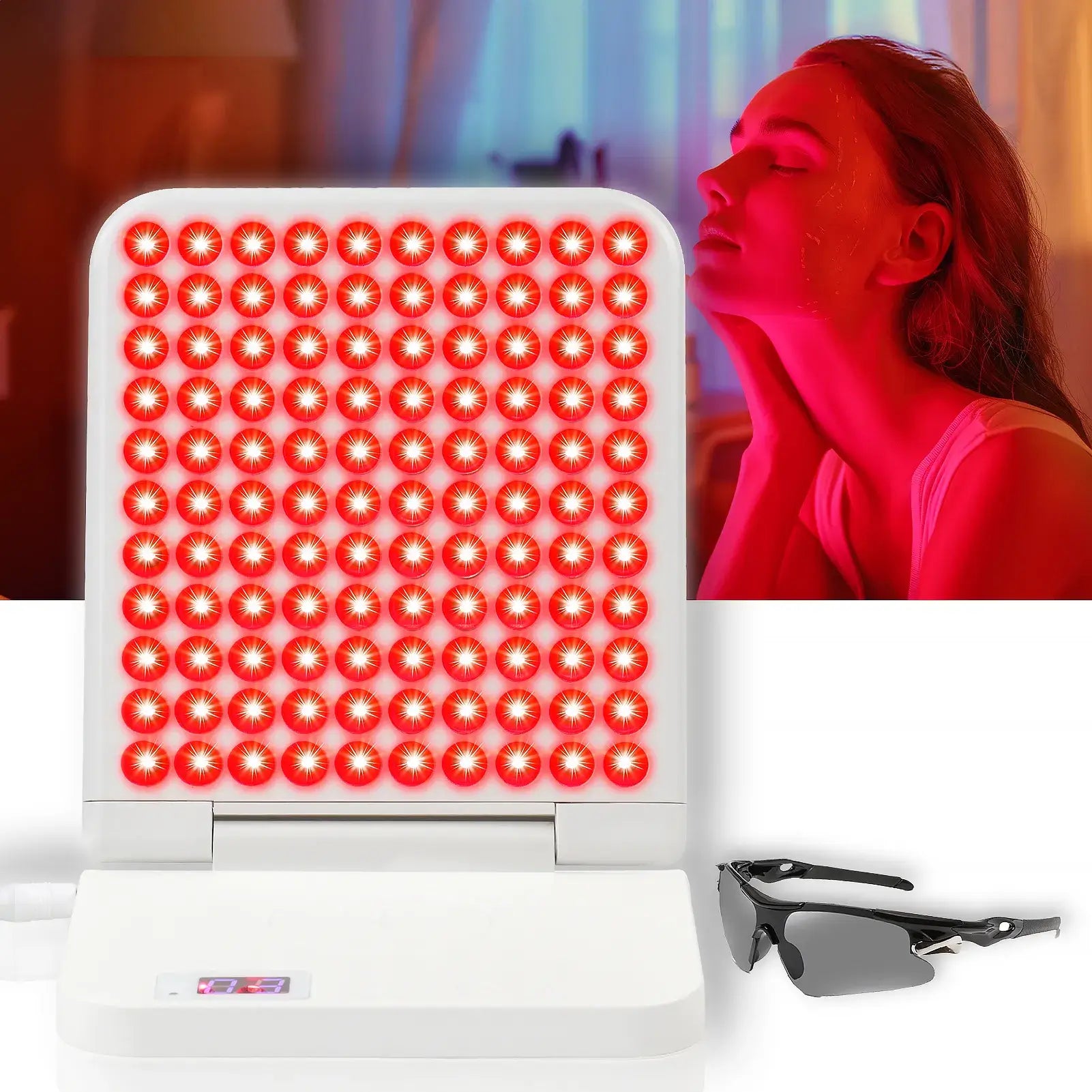
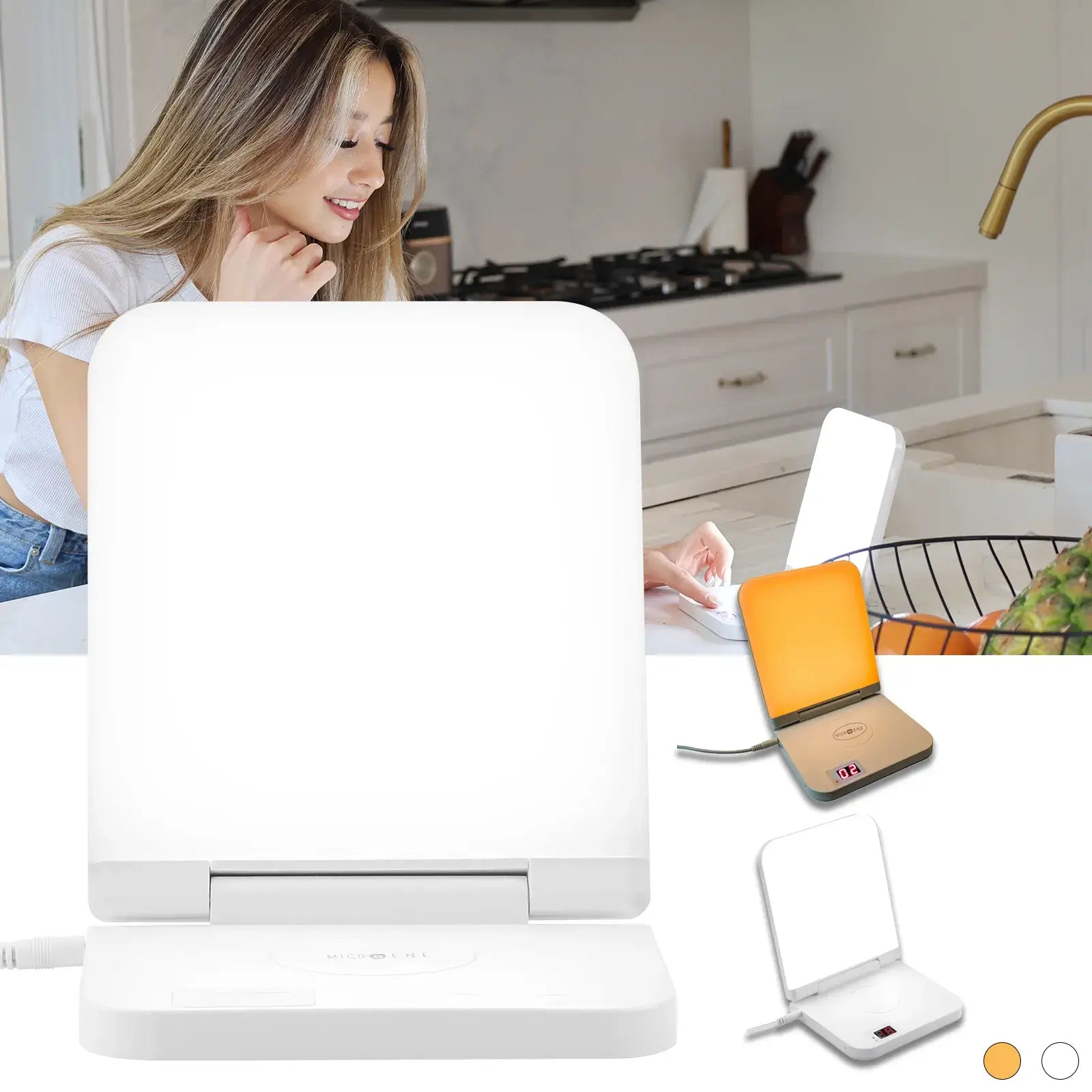
You might wonder if red light therapy and low-level laser therapy mean the same thing. They do sound similar, but they are not identical. Red light therapy uses LED lights, while low-level laser therapy uses lasers. Many people mix them up because both use light to help your body heal or feel better. If you want to pick the right option, you need to know how each one works and what makes them different.
Key Takeaways
-
Red light therapy uses LED lights. Low-level laser therapy uses lasers. Knowing this difference helps you pick the right treatment for you.
-
Red light therapy helps skin health. It can help with pain near the surface. It is good for overall wellness. It can make skin look better. It can help muscles heal faster.
-
Low-level laser therapy goes deeper into tissues. It works well for long-lasting pain and injuries. It can treat certain spots very carefully.
-
Both therapies are usually safe. You should talk to a doctor before you start. This is important if you have health problems.
-
Think about what you want from treatment. Red light therapy is best for skin and wellness. Low-level laser therapy is better for deep pain relief.
Red Light Therapy Overview

How Red Light Therapy Works?
Red light therapy helps your body in simple ways. The red and near-infrared light goes into your cells. Your mitochondria are tiny parts that make energy. They get excited by the light and make more ATP. ATP gives your cells extra power to work better. This helps your body fix tissue and stay healthy. The light also changes some molecules called reactive oxygen species. These changes help your cells talk to each other and keep things balanced. If your cells are stressed, they react more to the light. That is why red light therapy helps healing and skin health.
Devices and Applications
You can use red light therapy devices at home or in clinics. Here are some popular choices:
|
Device Name |
Type |
Features |
|---|---|---|
|
Home use lamp |
Good lamps for muscle recovery and wellness, like professional clinics |
|
|
Celluma |
Flexible pad |
Bendable pads for pain and swelling in certain spots |
|
Joovv |
Modular panel |
Systems you can add more panels to |
|
Red Light Man |
Compact device |
Gives special red and near-infrared light for focused therapy |
|
Cytokind |
Medical-grade device |
Needs a prescription, made for autoimmune problems |
People use these devices for many reasons. Some use them for pain from tendonitis or carpal tunnel syndrome. Others use them to help with side effects from cancer treatments. You might see red light therapy for anti-aging, better skin tone, or faster muscle recovery after exercise.
Main Benefits
Red light therapy has many benefits you can notice soon. Here are some main ones:
-
Makes fine lines and wrinkles less by helping collagen.
-
Treats acne and makes skin healthier.
-
Helps hair grow thicker.
-
Speeds up muscle recovery after workouts.
-
Reduces pain and swelling from injuries.
-
Helps tissue repair and healing.
-
May help with mouth sores from chemotherapy.
Tip: Studies show most people see better skin, less acne, and less pain after regular sessions. Your skin may look smoother and feel better, and your muscles may heal faster.
If you look at red light therapy and low-level laser therapy, both use light to help your body. But they use different devices and ways. Red light therapy is easy to use at home and helps with many health and beauty needs.
Low-Level Laser Therapy Overview
How Low-Level Laser Therapy Works?
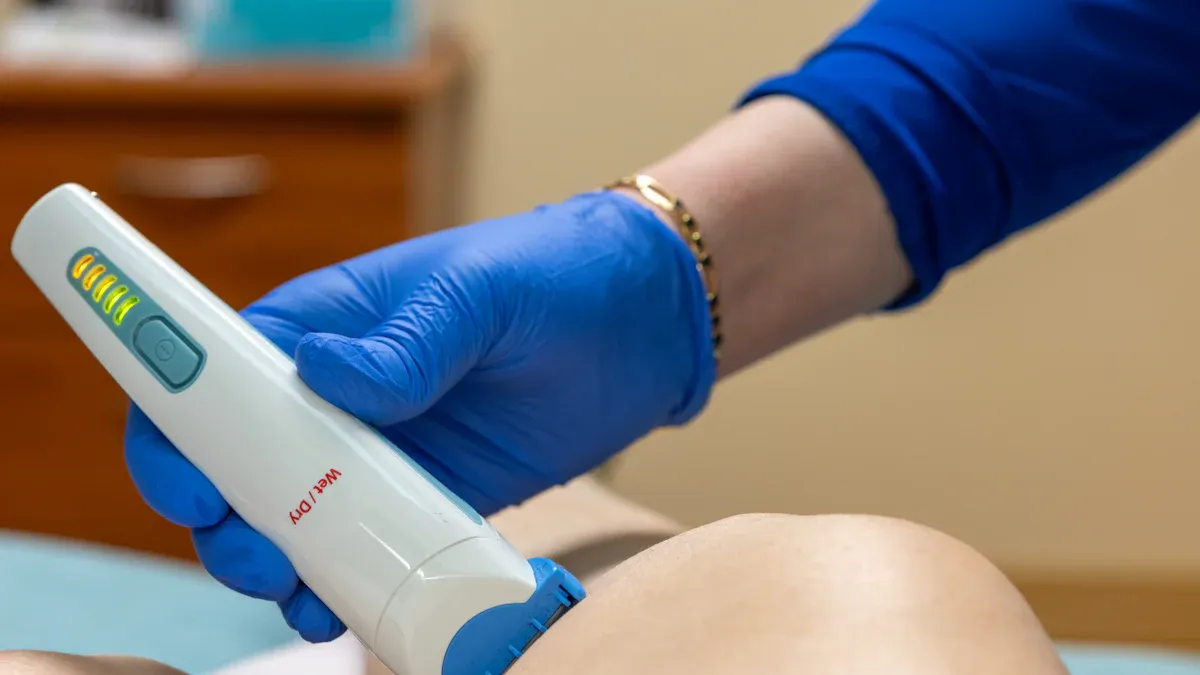
You might ask how low-level laser therapy helps you. This therapy uses lasers with special light. The lasers go deep into your body tissues. When the light touches your cells, it helps your mitochondria work better. Your cells make more energy and heal faster. Here is what happens inside your body:
-
Your cells get more ATP, which is their energy.
-
The therapy changes how your cells handle reactive oxygen species.
-
Your body makes more new cells and tissue.
This process helps your body fix itself. You may feel less pain and heal faster after using this therapy.
Devices and Applications
Low-level laser therapy devices look different from red light therapy panels. These devices use strong laser beams, not LEDs. You usually see them in clinics or therapy offices. Some doctors use small lasers for tiny spots. Others use big machines for larger areas.
Here is a table that shows common uses for low-level laser therapy:
|
Clinical Indication |
Conditions |
|---|---|
|
Analgesia |
Rheumatoid arthritis, chronic pain, carpal tunnel syndrome |
|
Tissue injuries |
Tendinopathy, tendonitis, severe wounds |
|
Chronic wounds |
Not enough proof it works well |
|
Musculoskeletal issues |
Back pain, tennis elbow, Achilles tendinitis, plantar heel pain, other muscle problems |
|
Smoking cessation |
Not enough proof it works |
|
Tinnitus |
Not enough proof it works |
You might see this therapy for pain, swelling, or muscle injuries. Some clinics try it for other problems, but not all uses have strong proof.
Main Benefits
You may wonder if low-level laser therapy really works. Studies show mixed results, but some people feel better. For example:
-
One review found 22 trials for carpal tunnel syndrome. Some people felt better, but others did not see much change.
-
In one study, adults with pain got either laser treatment or a fake treatment. The group with real laser therapy had a 35% drop in pain. They also felt happier with their results.
You can use this therapy for pain, swelling, and healing. Many people try it when other treatments do not help. You should know that results are not always the same. Some people feel much better, but others may not notice big changes.
Key Differences: Red Light Therapy vs Low-Level Laser Therapy
Light Source and Technology
When you compare these devices, you will see they are not the same. Red light therapy uses LED lights. These LEDs make light that spreads out in many directions. Low-level laser therapy uses lasers. Lasers make light that moves together in a straight line. This makes the laser beam stronger and more focused.
Here is a table that shows the main differences:
|
Feature |
Low-Level Laser Therapy (LLLT) |
Red Light Therapy |
|---|---|---|
|
Light Source |
Coherent laser light |
Non-coherent LED light |
|
Power |
Low-power lasers |
Lower power than lasers |
|
Coherence |
Coherent light waves |
Non-coherent light waves |
|
Tissue Penetration |
Higher due to coherence |
Lower penetration |
|
Targeting Precision |
More precise |
Covers broader areas |
|
Cost |
More expensive |
Less expensive |
Both types use similar wavelengths, like 660 nm and 850 nm. The big difference is how the light is made and used. Lasers can hit small spots with great accuracy. LEDs cover bigger areas but do not go as deep.
Note: Some people think red light therapy and low-level laser therapy are the same. They are not. The devices, power, and how the light works are different.
Penetration and Effectiveness
You might wonder how deep the light goes and how well it works. The depth depends on the type of therapy you pick. Low-level laser therapy can reach about 1.5 cm into your body. This is deeper than most LED devices. Some strong lasers can go even deeper, but those are not for normal use.
|
Therapy Type |
Penetration Depth |
|---|---|
|
Low-Level Laser Therapy (LLLT) |
1.5 cm |
|
Class IV Laser (HLLT) |
5–8 cm |
Red light therapy does not go as deep as lasers. It works best for skin problems, pain near the surface, and healing close to the skin. Both types use similar wavelengths, but the energy level matters. A device with more energy, like 183 mW/cm², works better than one with only 60 mW/cm².
Low-level laser therapy often helps with muscle and joint pain. Studies show it can lower pain and help healing. It works by starting changes in your cells that help them fix and grow. Most people have few side effects, and it is safe for older adults. Doctors use it for muscle and joint pain, but insurance companies still call it experimental.
Red light therapy helps with pain too. Many people use it for long-lasting pain, fibromyalgia, and injuries near the skin. It can also help your skin, acne, and hair growth. It does not work for deep injuries, like torn ligaments, but it is good for surface problems.
-
Red light therapy is good for:
-
Lowering pain and swelling near the skin
-
Making skin healthier and healing
-
Helping with some types of long-lasting pain
-
-
Low-level laser therapy is good for:
-
Deeper muscle and joint pain
-
Faster healing of some injuries
-
More exact treatment of small spots
-
Cost and Accessibility
You may want to know how much these therapies cost and how easy they are to get. Red light therapy is usually cheaper. You can buy home devices for $100 to $2,500, depending on size and features. Many clinics offer single sessions for $25 to $100. You can also get deals or monthly memberships.
Low-level laser therapy costs more. The devices use lasers, so they cost more to make and buy. Most people get this therapy in a clinic. You will pay more for each session, and you may need to go many times for the best results.
|
Type of Therapy |
Cost Range (Professional Sessions) |
Cost Range (At-Home Devices) |
|---|---|---|
|
Single Session |
$25 - $100 |
|
|
Package Deals |
$20 - $60 per session (for 10 sessions) |
|
|
Membership Plans |
$100 - $300 per month |
|
|
Entry-Level Devices |
|
$100 - $300 |
|
Mid-Range Devices |
|
$300 - $800 |
|
High-End Devices |
|
$800 - $2,500 |
You can find red light therapy devices for home use almost anywhere. Low-level laser therapy devices are harder to buy and often need a professional to use them. If you want something easy and not too expensive, red light therapy is a good choice. If you need deeper treatment and do not mind going to a clinic, low-level laser therapy may be better for you.
Tip: Always talk to a healthcare provider before you start any new light therapy. They can help you choose the best option for you.
Best Uses for Each Therapy
Pain and Inflammation
You might want to know which light therapy works best for pain relief and swelling. Both red light therapy and low-level laser therapy can help you feel better, but they work in different ways. Low-level laser therapy often gives strong results for pain management. It can help with both nerve pain and pain from injuries. You may see it used for back pain, neck pain, or even fibromyalgia.
Here’s a quick look at how these therapies compare for pain:
|
Therapy Type |
Findings |
Pain Types Addressed |
|---|---|---|
|
Low-Level Laser Therapy |
Non-invasive, boosts healing, reduces swelling and pain |
Nerve pain, injury pain |
|
Photobiomodulation Therapy |
Lowers inflammation, helps healing, reduces pain |
Knee pain, arthritis, fibromyalgia, neck and back pain |
Low-level laser therapy works by calming your nerves and lowering swelling. You may notice less pain after a few sessions. Red light therapy also helps with pain relief, especially for sore muscles and joints near the surface.
Tip: If you want to treat deep pain, low-level laser therapy may work better. For everyday aches or mild swelling, red light therapy is a great choice.
Skin and Whole-Body Health
You might look for light therapy to boost your skin health or feel better overall. Red light therapy shines here. It helps your skin look younger and smoother. Many people use it for anti-aging, fewer wrinkles, and better skin tone. It works by helping your cells make more collagen, which keeps your skin firm and elastic.
Check out these benefits:
|
Benefit |
Description |
|---|---|
|
Supports Skin Health |
Makes your skin look younger, reduces wrinkles, and improves texture |
|
Reduces Inflammation |
Calms swelling and helps your skin heal |
|
Aids Muscle Recovery |
Speeds up healing after exercise |
|
Promotes Joint Comfort |
Helps with pain from arthritis and fibromyalgia |
|
Enhances Mood and Wellness |
Can lift your mood and help you feel better overall |
You can use red light therapy for a healthy glow, fewer fine lines, and even better mood. Many people say their skin feels softer and looks brighter after regular sessions.
Wound Healing and Other Uses
Light therapy can also help your body heal faster. Both red light therapy and low-level laser therapy speed up regeneration and tissue repair. If you have a cut, sore, or injury, you may notice less pain and better healing.
Here are some key points:
-
Red light therapy helps wounds heal faster and with less pain.
-
It improves the quality of new tissue.
-
Low-level laser therapy can shrink wound size and speed up complete healing.
-
Both therapies reduce swelling and help your body repair itself.
If you want to heal a wound or recover from an injury, light therapy gives your cells the boost they need. You get less swelling, less pain, and better results.
Safety and Who Should Avoid?
General Safety
You may wonder if red light therapy and low-level laser therapy are safe. Most people think these treatments are gentle and easy to use. You do not need to worry about burns or serious harm if you follow the directions. Some people might notice mild side effects. Here are some things you could feel:
|
Side Effect |
Description |
|---|---|
|
Transient erythema (redness) |
This is the most common side effect. It goes away by itself. |
|
Warmth or mild discomfort |
You may feel a little heat during your session. |
|
Temporary hyperpigmentation |
Sometimes, darker skin gets a bit darker for a short time. |
|
Eye Strain |
Your eyes may get tired if you look at the light too long. |
|
Irritation |
Using the device too much can make your skin sensitive. |
|
Photosensitivity |
Some people react more if they take certain medicines or have conditions. |
|
Breakouts |
Your skin might break out as it clears toxins, but this does not last long. |
|
Headaches |
Rare, but bright light can sometimes cause a headache. |
|
Insomnia |
Some people sleep better, but others may have trouble falling asleep. |
|
Melasma |
Darker skin can get overheated and develop spots. |
Most side effects are mild and do not last long. You can lower your risk by following the instructions and wearing eye protection. If you use these therapies for pain, you should talk to your doctor first.
Note: Start with short sessions and see how your skin reacts before you try longer treatments.
Contraindications
Some people should not use red light therapy or low-level laser therapy. Certain health problems make these treatments unsafe. You should avoid these therapies if you have:
-
Eye problems or plan to use the device near your eyes
-
Cancer or tumors, or if you are in cancer treatment or remission
-
Thyroid issues, especially if you plan to use the device over your neck
-
Are pregnant (do not use over your belly)
-
Tattoos in the treatment area
-
Autoimmune disorders like lupus or severe skin sensitivity
-
Kidney failure or serious health problems
-
Take medicines that make your skin sensitive to light (like tetracycline or lithium)
-
Nervous system problems such as encephalopathy, meningitis, or neuronopathy
-
Hypersensitivity to laser or light
People with lupus or porphyria can react strongly to visible light. Studies show almost all lupus patients react to UV and visible light. Even a little exposure can cause skin problems. If you have any of these conditions, talk to your doctor before you try light therapy.
Tip: If you are not sure, ask your healthcare provider if light therapy is safe for you.
How to Choose the Right Therapy?
Factors to Consider
Picking between red light therapy and low-level laser therapy can be confusing. You should choose the one that fits your health needs and daily life. First, think about what you want to fix. Do you have deep muscle pain or do you want better skin? Each therapy is best for different problems.
Here’s a table to help you compare the main things:
|
Factor |
Low-Level Laser Therapy |
Red Light Therapy |
|---|---|---|
|
Light Sources |
Coherent laser, deeper penetration |
Non-coherent LED, greater diffusion |
|
Penetration Depth |
Up to 5 cm, good for deep tissues |
2–3 cm, best for surface issues |
|
Treatment Applications |
Targets small areas for pain |
Covers larger areas for skin, wellness |
|
Treatment Frequency |
1–3 times per week |
2–5 times per week |
If you need to fix deep pain, low-level laser therapy may help more. If you want better skin or have mild pain, red light therapy is a good pick. Think about how often you want to use the device. Also, decide if you want to use it at home or go to a clinic.
Tip: Always look at the device type and see if it fits your needs. Some devices are best for small spots. Others work better for bigger areas.
When to Seek Professional Advice?
You should talk to a doctor before you start any light therapy, especially if you have health problems. Here are some times when you need to ask an expert:
|
Condition/Context |
Recommendation |
|---|---|
|
History of skin or eye cancers |
Ask your oncologist or doctor before using red light therapy. |
|
Underlying medical conditions |
Speak with a healthcare provider before starting any light therapy. |
|
Pregnancy |
Always consult a professional before trying these treatments. |
-
If you have a long-term illness, talk to your doctor.
-
If you take medicine that makes your skin sensitive, ask your pharmacist.
-
If you are not sure which therapy is right, ask a professional.
Note: Your safety is most important. Talking to your doctor can help you stay safe and get the best results.
You have learned that red light therapy and low-level laser therapy are different. Look at this table to see how they are not the same:
|
Feature |
Red Light Therapy |
Low-Level Laser Therapy |
|---|---|---|
|
Technology |
LED panels |
Focused laser beam |
|
Depth |
Surface tissues |
Deeper, precise areas |
|
Best For |
Whole-body wellness |
Localized pain relief |
Red light therapy is good for your whole body. It helps with wellness and skin. Low-level laser therapy is better for deep pain or injuries. It works on small, exact spots. You should talk to your doctor before you try a new treatment.
FAQ
What is the main difference between red light therapy and low-level laser therapy?
You use red light therapy with LED lights. You use low-level laser therapy with lasers. Lasers focus light in one direction. LEDs spread light out. Lasers go deeper. LEDs cover bigger areas.
Can you use red light therapy at home?
Yes, you can use many red light therapy devices at home. They are easy to use and safe for most people. Just follow the instructions and protect your eyes.
Is low-level laser therapy painful?
No, you should not feel pain during low-level laser therapy. You may feel warmth or a slight tingling. Most people find it comfortable.
How long does it take to see results?
You may notice changes after a few sessions. Some people see results in one week. Others need more time. Your results depend on your condition and how often you use the therapy.
Medical Disclaimer
The information shared by MicroENE, including testimonials, research summaries, or case studies, is for informational use only and does not constitute medical advice. Individual responses to light therapy may vary, and results from studies or customer experiences do not guarantee similar outcomes with MicroENE devices. Always consult your physician before starting light therapy, and do not alter any medical treatments without professional guidance.