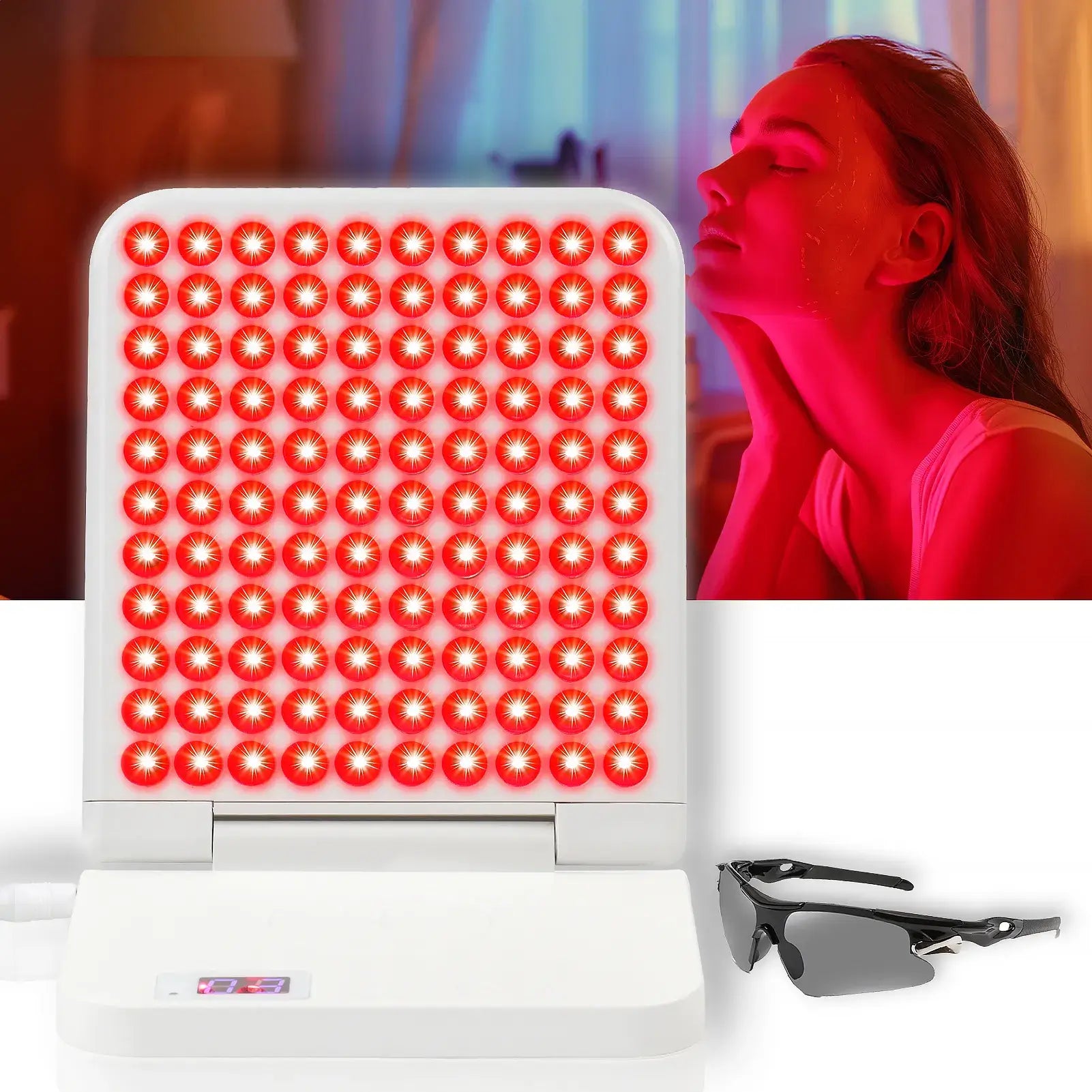
You may ask if red light therapy is really safe for kids. Recent research does not show permanent vision loss or big changes in the eyes in the short term. Here are some results:
|
Evidence Type |
Findings |
Notes |
|---|---|---|
|
Systematic Reviews |
No proof of lasting eye changes or vision loss in the short term |
Based on what people say and pictures of the eyes |
|
High-resolution study |
Kids with myopia had fewer parafoveal cones and a 7.23 times higher risk |
There could be small eye damage |
|
Adverse Event Metrics |
Current ways to check may miss small eye problems from light |
We need better ways to check for these problems |
A review of 685 children showed most did not have more side effects than kids who did not get the therapy. You should always talk to a doctor before starting any new treatment for your child.
Key Takeaways
-
Red light therapy does not cause lasting eye harm in kids, but you should always talk to a doctor before you start.
-
This therapy can help with skin, muscles, sleep, and more, so it is useful for many kids.
-
Watch your child during each session for side effects, and make sure the device is safe to use.
-
Only do therapy 2 or 3 times each week, and keep each session short to protect your child's skin and eyes.
-
Keep learning about this therapy and visit your child's doctor often to make sure red light therapy is safe and works well.
Red Light Therapy for Children: Benefits
Common Pediatric Uses
Parents and doctors use red light therapy for kids for many reasons. This therapy is getting more popular. Many parents want to help their kids with skin, pain, or sleep problems. The table below shows some ways it can help:
|
Pediatric Condition |
How Red Light Therapy May Help |
|---|---|
|
Skin Health |
Boosts collagen, reduces acne, improves skin texture |
|
Muscle Recovery |
Increases blood flow, lowers inflammation, speeds up healing |
|
Sleep Disorders |
Helps make melatonin, improves sleep, resets sleep cycles |
|
Growing Pains |
Reduces joint swelling, helps movement, eases discomfort |
|
Juvenile Arthritis |
Lowers joint inflammation, helps movement, reduces pain |
|
ADHD |
May help sleep, lower stress, boost mood and focus |
Tip: If your child has trouble sleeping or skin problems, you can ask your doctor about red light therapy for children.
Health Improvements in Children
You may wonder if red light therapy really helps kids. Studies show that children can get real health benefits. Some research found it helps eye health by slowing myopia changes. Other studies show better wound healing, less pain, and better skin for problems like eczema and acne. Kids with sore muscles or joints may feel better after using this therapy.
Here is a table with some health results from research:
|
Health Outcome |
Time Point |
Improvement |
Confidence Interval |
p-value |
|---|---|---|---|---|
|
Eye Health (SER) |
12 months |
0.675 to 0.937 |
< 0.001 |
|
|
Axial Length |
12 months |
-0.294 |
-0.416 to -0.172 |
< 0.001 |
|
Choroidal Thickness |
6 months |
35.281 μm |
23.230 to 47.331 |
< 0.001 |
Research Findings
Many studies have looked at red light therapy for kids. Researchers found it can slow myopia, but not stop it. The treatment does not hurt and does not need surgery. This makes it easier for kids to try. Some studies say red light therapy works best alone, not with other treatments. Experts say we need more research to know how safe and helpful it is for children.
|
Finding |
Details |
|---|---|
|
Effectiveness |
Can delay myopia progression in children |
|
Safety |
Noninvasive and painless, but some side effects may occur |
|
Comparison with Other Treatments |
Not enough studies to compare directly |
|
Need for More Research |
Experts want more studies on safety and long-term effects |
You should talk to your child’s doctor before starting any new therapy. Every child is different. What helps one child may not help another.
Safety Considerations for Children
When you think about using red light therapy for your child, you want to know it’s safe. Let’s break down the main safety considerations for children so you can make the best decision for your family.
Vision and Eye Safety
Your child’s eyes are sensitive and still developing. Some treatments ask children to look directly into a red light device. Research from the University of Houston shows that this can put their eyes at risk. The light can cause both heat and chemical changes in the retina. If your child looks into the device for too long, it might go over the safety limits set by experts. Most experts say you should only use these treatments if a doctor is watching and safety rules are clear.
Note: Before starting any therapy, always consult your child’s eye doctor. They can check your child’s vision and make sure it’s safe to begin.
Long-term studies show good news. Most children keep healthy eyes after red light therapy. In one study, almost all children kept sharp vision, and doctors did not find any lasting eye damage. Sometimes, kids saw a temporary afterimage, but it went away in a few minutes.
Skin Sensitivity in Children
Children’s skin is different from adults. It’s thinner and can react faster to new treatments. You should watch for any redness, itching, or changes in your child’s skin after a session. Here are some tips to keep your child safe:
-
Start with a patch test on a small area of skin.
-
Limit sessions to 2–3 times a week.
-
Keep each session short—about 10 to 15 minutes.
-
Watch for any changes in your child’s skin or sleep.
-
Always talk to your pediatrician before starting.
If you see any irritation or your child feels uncomfortable, stop the therapy and check with your doctor.
Device Safety Standards
Not all devices are made the same. Some can be too strong for children. Experts say you should only use devices that meet safety standards, like those from the FDA or ANSI. Devices for red light therapy should not go over the safe limits for children’s eyes and skin.
-
Review the device’s safety label and instructions.
-
Make sure the device is FDA-approved for home use.
-
Avoid devices that ask your child to look into the light for more than three minutes.
-
Choose a licensed professional who knows how to use these devices with children.
Here’s a quick look at the main safety guidelines:
|
Safety Guidelines |
Description |
|---|---|
|
Professional Oversight |
A trained eye doctor should supervise the treatment. |
|
Baseline Assessment |
Your child’s eyes should be checked before starting therapy. |
|
Monitoring |
Schedule regular follow-ups to check your child’s progress. |
|
Treatment Duration |
Sessions should last about 3 minutes, twice a day, with 4 hours in between. |
|
Device Approval |
Use only devices that meet FDA or ANSI safety standards. |
Tip: Always stay with your child during each session. Watch for any signs of discomfort or side effects.
You want the best for your child. By following these safety considerations for children, you can lower the risks and help your child get the most benefit from red light therapy.
Risks and Contraindications
Medical Conditions to Avoid
You want to keep your child safe, so it helps to know when red light therapy might not be a good idea. Some medical conditions can make this treatment risky. If your child has a history of eye disease, epilepsy, or light sensitivity, you should avoid this therapy. Kids who take medicines that make their skin or eyes more sensitive to light should also skip these sessions. Always tell your doctor about any health problems before you start.
Potential Side Effects
Most children do not have problems with red light therapy, but side effects can happen. Here are some things you might notice:
-
Some kids feel their eyes get tired or see bright spots after a session.
-
A few children may feel uncomfortable with the bright light and want to stop.
-
Rarely, a child may have blurry vision or see after-images, but these usually go away after stopping the therapy.
-
In very rare cases, a child may lose some vision for a short time, but vision returns after stopping the treatment.
Studies show that most children do not have side effects. Out of 13 studies, eight found no problems at all. Two studies saw mild side effects that went away on their own. Only one study had kids stop because the light felt too bright. Data from thousands of users in China found only five cases of side effects out of about 70,000 daily users. That means side effects are very rare.
When to Consult a Doctor?
You should always talk to your doctor before starting any new therapy for your child. If your child has eye pain, vision changes, or skin problems during treatment, stop right away and call your doctor. You know your child best. If something feels wrong, trust your instincts and get help. Your doctor can help you decide if red light therapy is safe for your child.
Guidelines for Safe Use
Professional Consultation
You want the best for your child. Before you start any new therapy, always consult your child’s doctor. Pediatric healthcare groups say you need professional supervision for anyone under 21. Your doctor can help you decide if red light therapy is right for your child. They will check your child’s health and talk about any risks. You should also consult an eye doctor if your child has vision problems.
Here’s what experts recommend for safe use of red light therapy in children:
-
Consult your pediatrician and eye doctor before starting.
-
Only use fda-approved devices or professional-grade equipment.
-
Ask your doctor to adjust the settings for your child’s age and needs.
-
Make sure your child wears eye protection during every session.
-
Stay with your child and watch for any side effects.
Tip: If you have questions or notice anything unusual, consult your doctor right away.
Safe Dosage and Duration
You want to keep your child safe and get the most benefit. Doctors suggest using fda-approved devices with the right settings. Here’s a simple table to help you remember the safe dosage and timing:
|
Dosage |
Duration |
Frequency |
|---|---|---|
|
3 minutes |
Maximum 3 minutes/session |
Twice daily, at least 4 hours between uses |
Shorter sessions and lower intensity work best for children. This helps support natural healing processes and gives drug-free pain relief. Never go over the recommended time. If you are not sure, consult your doctor.
Monitoring and Follow-Up
You play a big role in keeping your child safe. Stay in touch with your healthcare team and consult them often. Watch your child during every session. Look for any changes in their eyes, skin, or mood. If you see redness, vision changes, or your child feels unwell, stop the therapy and consult your doctor.
Here are some simple steps:
-
Keep a journal of each session and any side effects.
-
Ask your doctor what to expect and when to worry.
-
Schedule regular check-ups to make sure your child stays healthy.
Remember, experts say you should use red light therapy with caution. Some medical groups warn that it may cause long-term problems if used too much. Always choose safe use of red light therapy and consult your doctor for guidance.
You care about your child and want to keep them safe. It is smart to ask questions about red light therapy. Most reviews say kids do not lose vision forever. But there can be short-term side effects. We do not know all the long-term risks yet. Here is a simple table:
|
Benefits |
Risks |
|---|---|
|
Long-term safety not fully known |
|
|
Easy to use and non-invasive |
Some devices may exceed safe limits |
-
Always talk to your child’s doctor before you start.
-
Set up regular check-ups to watch your child’s health.
-
Pick devices that experts trust and follow their advice.
You can help your child by learning more and working with doctors.
FAQ
Is red light therapy painful for kids?
No, your child should not feel pain during red light therapy. Most kids say the light feels warm or gentle. If your child feels pain or discomfort, stop the session and talk to your doctor.
Can I use a home red light device for my child?
You should only use devices approved by experts. Check for FDA approval. Always follow the instructions. Stay with your child during each session. If you have questions, ask your doctor first.
How soon will I see results?
Results can vary. Some parents notice changes in a few weeks. Others may need more time. Keep a journal to track your child’s progress. Patience helps!
What should I do if my child has side effects?
If you see redness, vision changes, or your child feels unwell, stop therapy right away. Call your doctor for advice. Your child’s safety comes first.
Does red light therapy help with sleep problems?
Yes, some studies show red light therapy may help kids sleep better. It can support melatonin production and reset sleep cycles. Always ask your doctor before starting.
Medical Disclaimer
The information shared by MicroENE, including testimonials, research summaries, or case studies, is for informational use only and does not constitute medical advice. Individual responses to light therapy may vary, and results from studies or customer experiences do not guarantee similar outcomes with MicroENE devices. Always consult your physician before starting light therapy, and do not alter any medical treatments without professional guidance.