You might wonder if a SAD lamp is better than vitamin D when you want to boost your mood and energy. These two options work in different ways and you can't swap one for the other.
-
A SAD lamp uses light therapy to help your body reset its internal clock.
-
It boosts serotonin, which helps you feel happier.
-
Vitamin D supports your health but does not give you the same light therapy benefits.
Choosing the right option depends on what your body needs most.
Key Takeaways
-
SAD lamps give light therapy that can help you feel better fast. They can also give you more energy, especially in winter.
-
Vitamin D is important for your health. But it does not make you feel better right away like light therapy does.
-
Using a SAD lamp for 30 minutes in the morning can help fix your body clock. It can also help you feel more awake.
-
Using both a SAD lamp and vitamin D can help your mood and energy. This is very helpful in months with less sunlight.
-
Talk to your doctor to find out what is best for you. Both choices help you in different ways.
How SAD Lamps Work for Seasonal Affective Disorder?
What Are SAD Lamps and SAD Lights?
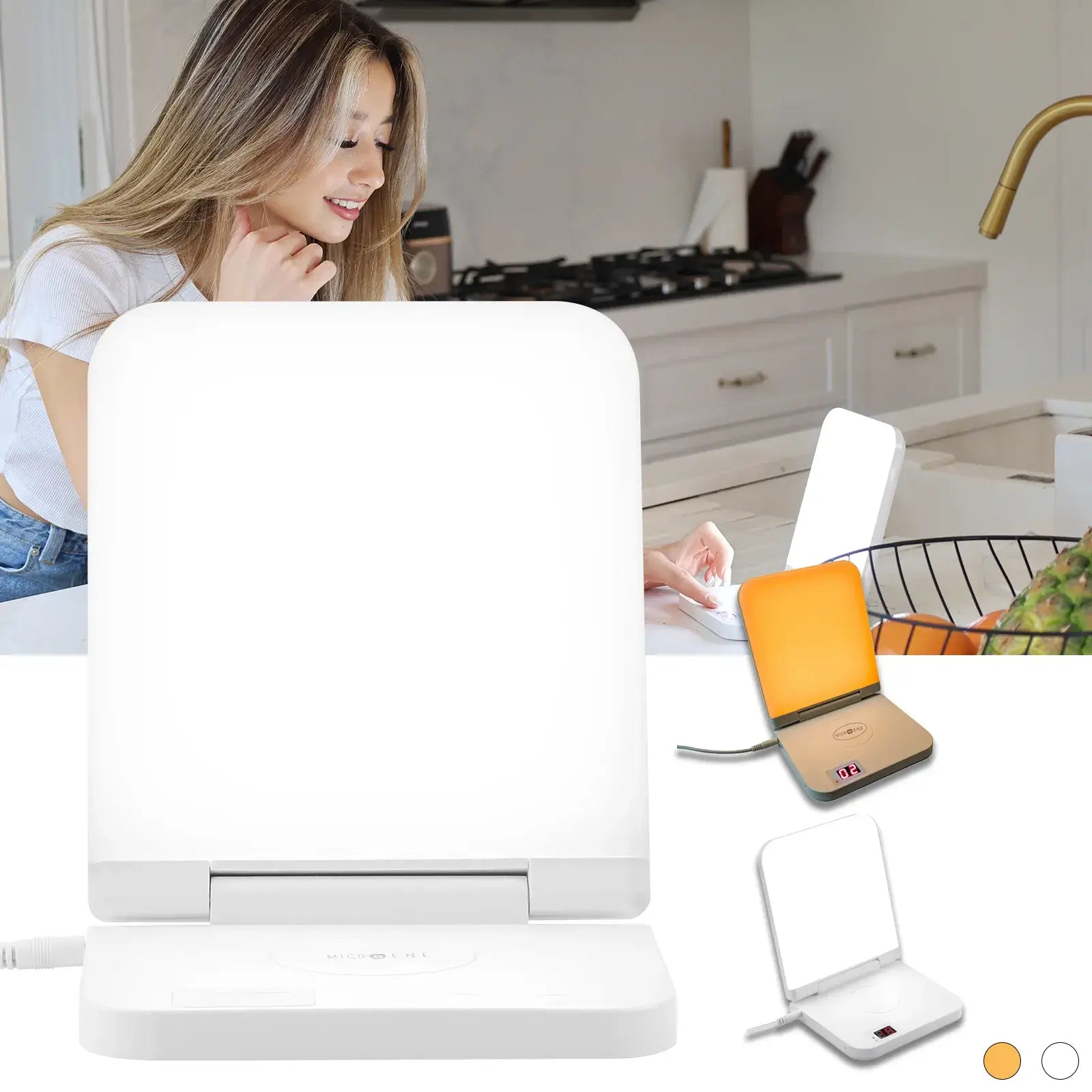
You might see the words sad lamp and sad lights when you look for ways to feel better in winter. These are special light therapy lamps that help people who feel down when the days get short. Sad lights give off a bright, white light that copies natural sunlight. You use a sad lamp by sitting near it, usually in the morning. The light shines into your eyes, but you do not stare right at it. Most people use sad lights for about 30 minutes each day.
Here is a quick look at how you use a sad lamp:
|
Light Intensity (lux) |
Recommended Duration |
Timing |
|---|---|---|
|
10,000 |
30 minutes |
Morning |
Sad lights work best when you use them first thing in the morning. You can read, eat breakfast, or do homework while you sit by your sad lamp.
Light Therapy and Mood
Light therapy is the main reason sad lights help with feeling low in winter. When you use a sad lamp, the bright light tells your brain to wake up and feel alert. This helps reset your body clock, which can drift when you do not get enough sunlight. In the 1980s, scientists found that bright light therapy could lower melatonin, the hormone that makes you sleepy. Morning light therapy can help your body feel more awake and improve your mood.
Studies show that bright light therapy works well for many people. In fact, about 61% of people who use bright light therapy for seasonal affective disorder feel much better, compared to only 32% who do not use it. You can see big changes in your mood after just 20 to 40 minutes of light therapy.
SAD Lamps vs. Vitamin D Production
You might wonder if sad lights help your body make vitamin D. The answer is no. Sad lamps do not give off UV light, which your skin needs to make vitamin D. This is good because UV light can hurt your skin and does not help with seasonal affective disorder. Sad lights only help by giving you bright light therapy, not by raising your vitamin D levels. If you need more vitamin D, you will need to get it from food, supplements, or safe sun exposure.
Vitamin D and Mood
What Is Vitamin D?
You get vitamin D from three main sources. Your body makes it when sunlight hits your skin. You can also get it from certain foods and from vitamin d supplements. Here are some ways you can get enough vitamin D for your health:
-
Sunlight: Your skin makes vitamin D when you spend time outside, especially around midday. Things like your skin color, sunscreen, and the season can change how much you make.
-
Foods: Fatty fish like salmon and trout, egg yolks, beef liver, and cheese have some vitamin D. Many foods, like milk and cereal, have extra vitamin D added.
-
Supplements: Some people need extra help and take vitamin D as a pill or drop. Vitamin D3 works best for raising your levels.
Most people need at least 2000 IU of vitamin D each day for good health, but some may need more. Getting enough helps your bones, immune system, and even your mood.
Vitamin D and Depression
Many studies show a link between low vitamin D and depression. Scientists have found vitamin D receptors in parts of your brain that control mood. People with depression often have lower vitamin D levels, but it is not clear if low vitamin D causes depression or if depression leads to less time outside. Some research says vitamin D can help with depression, but other studies show little or no effect. For example, a large study with over 18,000 adults found that taking vitamin D did not lower depression or improve mood compared to a sugar pill.
|
Study Type |
Findings |
Sample Size |
|---|---|---|
|
Meta-Analysis |
Vitamin D reduced depression symptoms more than placebo |
1980 |
|
Large Trial |
No difference in mood or depression between vitamin D and placebo |
18,353 |
Limitations for Seasonal Affective Disorder
Vitamin D is important for your health, but it does not work the same way as light therapy for seasonal affective disorder. Vitamin D supplements alone do not treat SAD. Experts say you should use other treatments, like light therapy, to help your mood in winter. Light therapy is the main way to feel better if you have SAD, while vitamin D supports your overall health.
Tip: If you feel down in winter, talk to your doctor about the best plan for your health. You may need both light therapy and vitamin D, but they do different things.
SAD Lamp vs. Vitamin D: Effectiveness Compared
Mood and Energy
When you want a boost to mood and energy during the winter, you might wonder which option works best. Light therapy with a sad lamp gives you a quick boost to alertness. You sit by the lamp, and the bright light signals your brain to wake up. This helps you feel more awake and ready for the day. Many people notice a change in their mood after just a few days of using a sad lamp. Full benefits often show up in about two weeks.
Light therapy does more than just wake you up. It targets the parts of your brain that control mood and sleep. This can help you feel less tired and more focused. You may also notice better sleep and more stable energy levels. Here are some ways light therapy and vitamin D compare for mood and energy:
-
Light therapy uses bright light to fight the lack of daylight in winter, which often triggers sad symptoms.
-
It gives you a boost to mood and alertness, especially in the morning.
-
Sad lamps are a mood-boosting option for managing fatigue and low energy.
-
Vitamin D is important for mental health, especially when you get less sunlight in winter.
-
Low vitamin D can lower serotonin, which affects mood and sleep.
-
Taking vitamin D can help if you have a deficiency, but it does not give you the same boost to alertness as light therapy.
You get a clear boost to alertness from light therapy, while vitamin D works in the background to support your well-being. If you want fast results, a sad lamp is usually the better choice for energy and mood-boosting powers.
Treating Seasonal Affective Disorder
If you struggle with sad during the winter, you want an effective treatment for winter blues. Light therapy stands out as the top choice for most people. You can see results from a sad lamp in as little as two to four days. Many people feel much better after two weeks of daily use.
Let’s look at how both options compare for treating sad:
-
Light therapy is recognized as an effective treatment for sad. It simulates natural sunlight, which helps regulate mood, sleep, and appetite.
-
Sad lamps do not help with vitamin d production, but they do help reset your body clock and improve well-being.
-
Vitamin D supplements may help some people with sad, but studies show mixed results. Some people feel better, while others notice no change.
-
Vitamin D alone is not considered an effective treatment for sad. You may need to check your vitamin D levels with a blood test if you have symptoms.
Note: The antidepressant effect of light therapy does not depend on changes in vitamin d production. You get the benefits from the light itself, not from making more vitamin D.
If you want to manage sad symptoms quickly, light therapy is usually the first step. Vitamin D can support your well-being, but it does not replace the mood-boosting powers of a sad lamp.
Safety and Side Effects
Both sad lamps and vitamin D are safe for most people, but you should know about possible side effects.
Here are the most common side effects of sad lamp use:
|
Side Effect |
Percentage of Occurrence |
|---|---|
|
Headache |
Up to 15% |
|
Eye Strain |
Up to 15% |
|
Nausea |
15.9% |
|
Jumpiness/Jitteriness |
8.8% |
|
Insomnia |
Not specified |
You might get a headache, eye strain, or feel a bit jittery when you start using a sad lamp. Some people have trouble sleeping if they use the lamp too late in the day. Most side effects go away if you use the lamp in the morning and keep sessions short.
Vitamin D is safe when you take the right amount. High doses can cause problems, especially if you take too much for a long time. Here are some risks of taking too much vitamin D:
|
Side Effect/Health Risk |
Description |
|---|---|
|
High calcium levels |
Too much vitamin D can raise calcium in your blood, causing nausea, vomiting, and pain. |
|
Bone loss |
High calcium can lower vitamin K, making bones brittle and painful. |
|
Organ damage |
Extra calcium can form crystals in soft tissues, hurting your kidneys and lungs. |
|
Dehydration |
High vitamin D can make you urinate more, leading to fluid loss. |
|
Heart issues |
High calcium can cause irregular heartbeats and high blood pressure. |
If you take vitamin D, stick to the dose your doctor recommends. Taking too much can hurt your health and well-being.
Tip: Sad lamps do not fix vitamin D deficiency, and vitamin D does not replace light therapy. You may need both for the best results, but they work in different ways.
Choosing SAD Lamps or Vitamin D
When to Use SAD Lamps?
You might want to try a SAD lamp if you feel tired, sad, or low on energy during the winter months. Light therapy works best when you use a lamp that gives off 10,000 lux of brightness for about 30 minutes before 8 a.m. This routine can help reset your body clock and lift your mood. Most people notice a big difference after a few days. If you have trouble waking up, feel sleepy during the day, or notice your mood drops when the days get shorter, a SAD lamp could help you feel better.
Here are some things to think about before using a SAD lamp:
-
You should check with your doctor if you have any health problems.
-
Some people with light sensitivities or certain medical conditions should avoid bright light therapy.
-
Not everyone feels better with a SAD lamp, but many do.
Tip: Always use your SAD lamp as directed. Too much light or the wrong timing can cause headaches or trouble sleeping.
When to Take Vitamin D?
Vitamin D is important for your bones, immune system, and even your mood. You might need a supplement if you do not get enough sunlight, have darker skin, or do not eat foods rich in vitamin D. Some people take vitamin D to help with depression, especially if their blood levels are low. Studies show that vitamin D may lower the risk of depression and even help reduce suicide risk in some groups.
|
When to Consider Vitamin D |
Why It Helps |
|---|---|
|
Low sunlight exposure |
Supports mood and bone health |
|
Low blood vitamin D |
May help with depression |
|
Special diets |
Fills nutrition gaps |
You should talk to your doctor before starting vitamin D, especially if you plan to take high doses.
Who Should Avoid Each Option?
Some people should not use SAD lamps. If you have photosensitivity, take certain medicines, or have conditions like lupus, you should avoid bright light therapy. People with active cancer, suspicious skin spots, or seizure disorders should also stay away from SAD lamps.
You should also be careful with vitamin D supplements. Taking too much can hurt your kidneys or bones. High doses may lower vitamin K2, which keeps your bones strong. If you have a history of kidney problems or take other supplements, ask your doctor before using vitamin D.
-
Avoid SAD lamps if you have:
-
Light sensitivity
-
Skin conditions like lupus
-
Active cancer or suspicious lesions
-
Seizure disorders
-
-
Avoid high-dose vitamin D if you have:
-
Kidney problems
-
High calcium levels
-
Bone health issues
-
Note: The best choice depends on your health, lifestyle, and what your doctor recommends. Sometimes, you may need both options for the best results.
Using Both SAD Lamps and Vitamin D
Benefits of Combining Both
You might wonder if you should use both a SAD lamp and vitamin D at the same time. The answer is yes—sometimes, combining both can give you the best results. Each one works in a different way, so you get more support for your mood and energy.
-
Light therapy is the top treatment for seasonal affective disorder. It helps your brain feel more awake and lifts your mood.
-
Vitamin D supplements can help if your levels drop in the winter. Low vitamin D is common when you get less sunlight, and it can make you feel tired or sad.
-
Some studies show that vitamin D can improve depression symptoms, especially if you have a deficiency.
-
A few researchers found that vitamin D might even work better than light therapy alone for some people.
When you use both, you cover all your bases. Light therapy helps your body clock and mood, while vitamin D supports your overall health. You may notice more energy, better sleep, and a stronger immune system.
Tip: If you feel down every winter, using both a SAD lamp and vitamin D can help you bounce back faster.
When to Use Both Together?
You should think about using both a SAD lamp and vitamin D when you do not get much sunlight. This usually happens in the fall and winter. Short days and cloudy weather can lower your vitamin D and make you feel sluggish.
If you stay indoors a lot, have darker skin, or live far from the equator, you might need extra help. Using both tools can boost your mood, energy, and even your immune system.
Here are some signs you might benefit from both:
-
You feel tired or sad when the days get shorter.
-
You have low vitamin D levels on a blood test.
-
You want to feel more alert and focused in the morning.
-
You want to support your health during cold and flu season.
Note: You can talk to your doctor to check your vitamin D and see if using both options is right for you. Many people find that this combo works best when natural daylight is hard to find.
SAD lamps and vitamin D each help in their own way. You cannot swap one for the other. If you want to boost your mood and energy, try a SAD lamp for quick results. Vitamin D supports your health, especially if your levels run low. Here’s what you should remember:
-
Low vitamin D can hurt your mood and raise your risk for SAD.
-
Light therapy works fast for winter blues.
-
Eating vitamin D-rich foods or taking supplements may help manage symptoms.
Talk to your doctor to find the best plan for you.
FAQ
Can you use a SAD lamp and take vitamin D at the same time?
Yes, you can use both. A SAD lamp helps your mood with light therapy. Vitamin D supports your health. Using both may give you better results, especially in winter.
How long should you sit by a SAD lamp?
Most people use a SAD lamp for about 30 minutes each morning. You can read or eat breakfast while you sit near it. Always follow the instructions for your lamp.
Do SAD lamps help your body make vitamin D?
No, SAD lamps do not help your body make vitamin D. They do not use UV light. You need sunlight, food, or supplements for vitamin D.
What are the side effects of using a SAD lamp?
You might get a headache, eye strain, or feel jittery. Some people have trouble sleeping if they use the lamp late in the day. Most side effects go away if you use the lamp in the morning.
How do you know if you need vitamin D?
You may need vitamin D if you feel tired, have weak bones, or get sick often. Your doctor can check your vitamin D levels with a blood test.
Medical Disclaimer
The information shared by MicroENE, including testimonials, research summaries, or case studies, is for informational use only and does not constitute medical advice. Individual responses to light therapy may vary, and results from studies or customer experiences do not guarantee similar outcomes with MicroENE devices. Always consult your physician before starting light therapy, and do not alter any medical treatments without professional guidance.