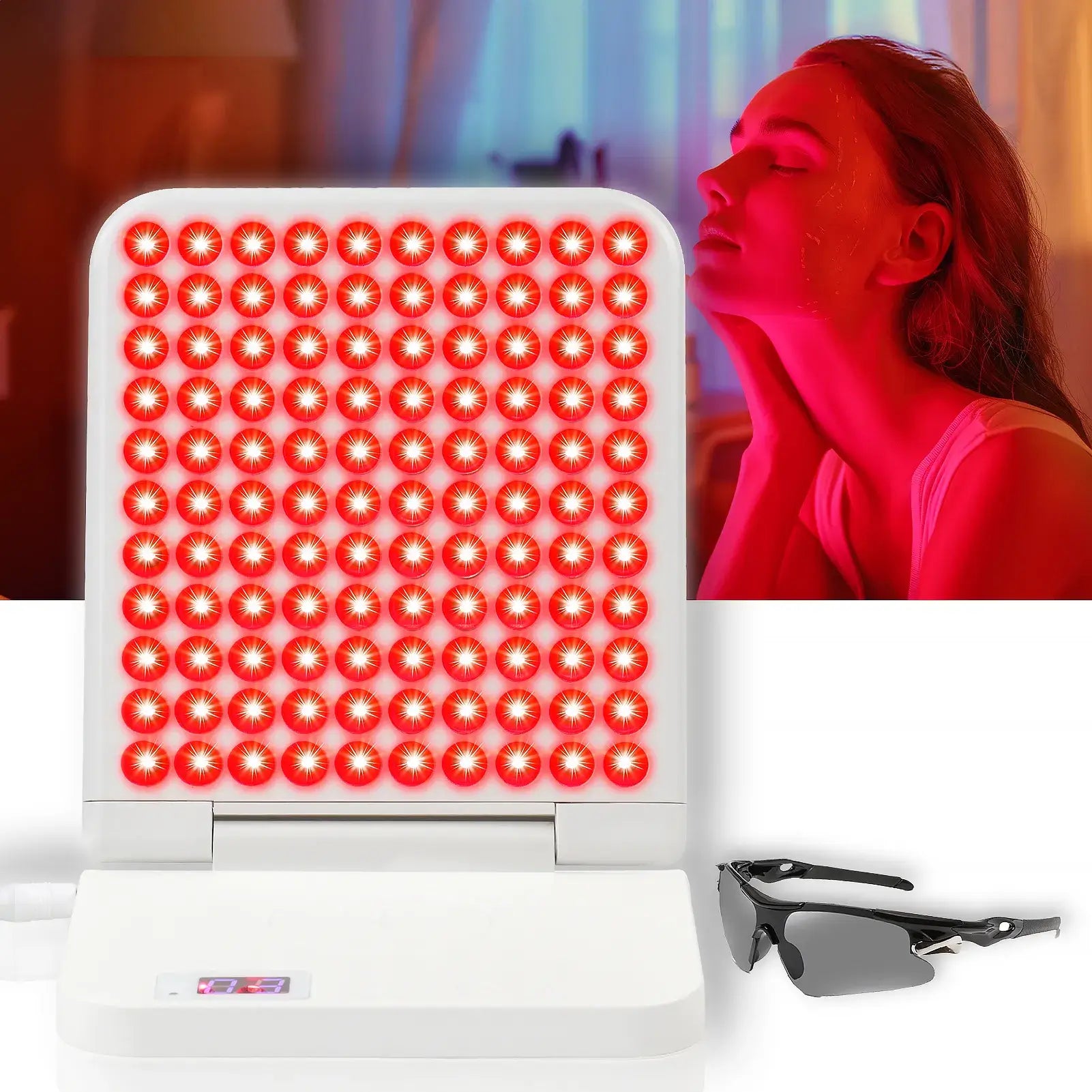
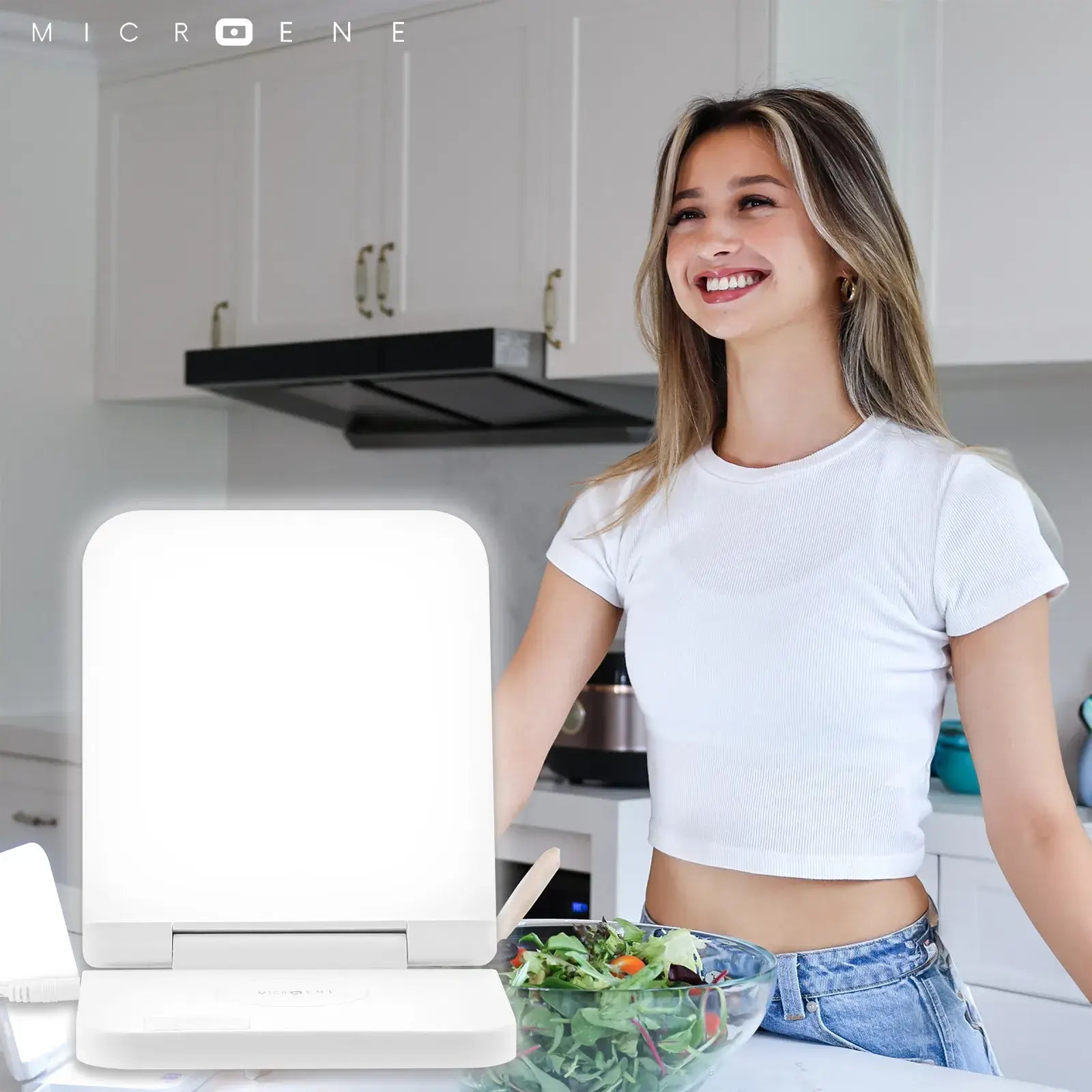
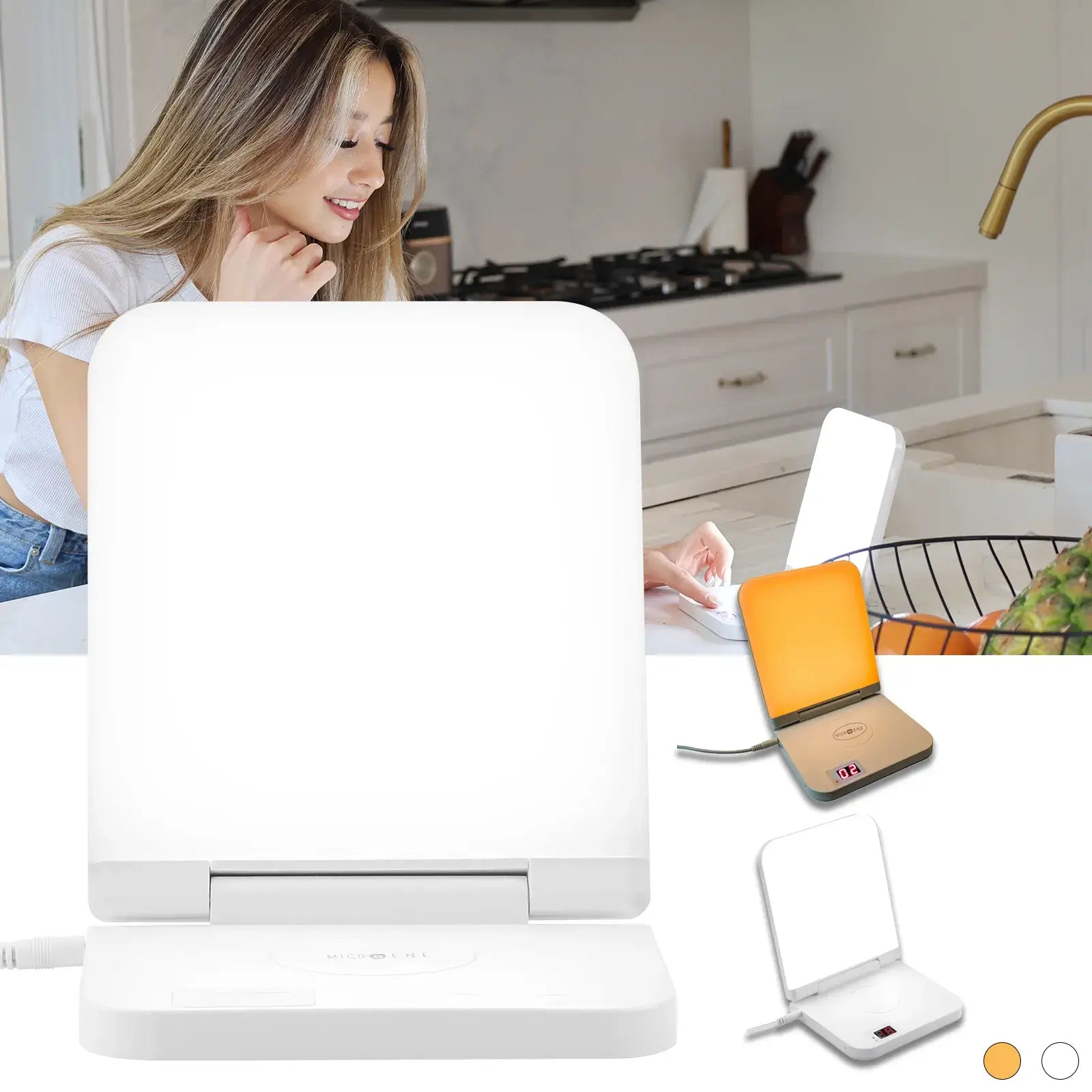
You might wonder if low level red light therapy really works. Scientists have found that this light can help your cells make more energy by boosting something called cytochrome c oxidase. The most common claims include better skin, faster healing, and less pain. You can see how red light compares to other types in the chart below.
Many people choose this therapy because it is safe and non-invasive. You’ll learn what science says about these claims.
Key Takeaways
-
Low level red light therapy gives more energy to cells. It helps skin look better, helps hair grow, and eases pain.
-
Regular use can make wrinkles less visible. It can also make your skin feel smoother. This makes it good for fighting signs of aging. This therapy is safe and does not cut the skin. It has very few side effects. You can use it at home.
-
For best results, follow the directions closely. You need to be patient because changes can take 8 to 16 weeks.
-
Talk to a doctor before you start, especially if you have health problems or worries.
Does Low Level Red Light Therapy Work?
Scientific Consensus
You probably want to know what experts think about low level red light therapy. Most scientists agree that this therapy works best for a few things. You can see the main points below:
-
It helps with hair growth and skin rejuvenation.
-
It can boost collagen and help hair follicles grow.
-
Some uses, like improving sports performance, do not have strong proof yet.
-
Studies show it can help wounds heal, but results are mixed.
-
The results depend on how you use the therapy, like the light’s strength and how long you use it.
Most people choose low level red light therapy because it is safe and does not require surgery or needles. Side effects are rare, but you should know about them. Some people have had vision problems after using certain devices near their eyes. For example, a young girl lost some vision after using a device for months, but her eyesight got better after she stopped. Other side effects, like seeing after-images or blurry vision, usually go away quickly.
Here is a quick look at safety from a large review:
|
Study Type |
Participants |
Adverse Events |
Key Findings |
|---|---|---|---|
|
2380 (ages 3-18) |
2 cases of temporary vision loss, after-images |
No permanent vision loss; side effects rare and usually mild or reversible. |
You should always follow the instructions and avoid shining the light directly into your eyes.
When you look at what low level red light therapy helps most, the strongest evidence supports these uses:
|
Health Condition |
Evidence Summary |
|---|---|
|
Hair Regrowth |
Stimulates hair follicles and improves blood flow to the scalp. |
|
Skin Care |
Improves skin quality, reduces wrinkles, and boosts collagen. |
|
Chronic Pain Relief |
Helps with pain from conditions like fibromyalgia and osteoarthritis. |
You can also use it to reduce signs of aging, encourage hair regrowth, minimize acne, and ease chronic pain. Devices for these uses have FDA clearance or approval for home use.
Some claims do not have strong proof. For example:
-
Studies about weight loss are small and may be biased.
-
There is not enough information about using this therapy during pregnancy or breastfeeding.
-
Claims about weight loss often come from studies paid for by companies.
How It Works in the Body?
You might wonder how shining a red light on your skin can help your body. The answer starts with your cells. When you use low level red light therapy, the light goes into your skin and reaches your cells’ power plants, called mitochondria. These mitochondria use the light to make more energy, which your body needs to heal and grow.
Scientists found that red and near-infrared light can boost something called ATP. ATP is like fuel for your cells. When your cells have more ATP, they work better and heal faster. The light also starts special signals in your cells, called redox signals. These signals help control how your cells grow, repair, and even die when they need to.
The therapy can also open up special channels in your cells. These channels let in calcium and release histamine, which helps wounds heal. The effects depend on how much light you use. A little bit can help your cells heal, but too much might slow things down.
Tip: If you want the best results, use the therapy as directed and do not overdo it. More is not always better.
In short, low level red light therapy works by helping your cells make more energy and sending signals that help your body heal. The strongest proof supports its use for skin, hair, and pain. Other uses, like weight loss, need more research.
Skin Benefits of Red Light Therapy
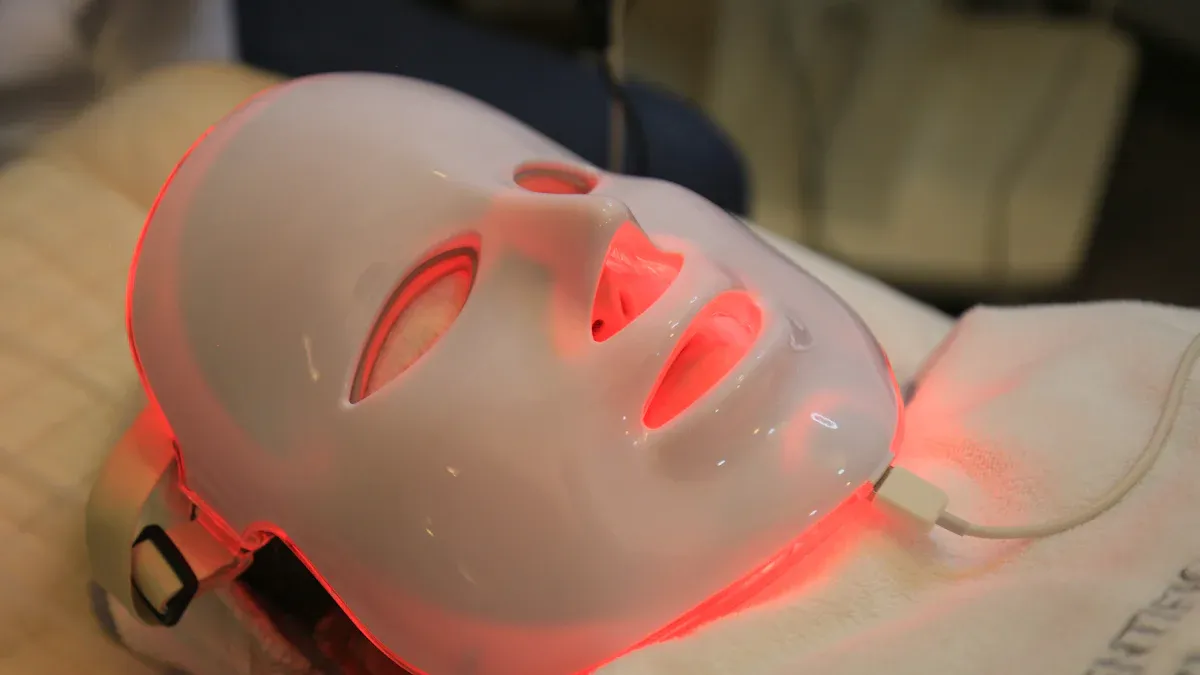
Wrinkles and Aging
As you get older, you may see more wrinkles. Many people want their skin to look smoother and younger. Low level red light therapy can help with this problem. Studies show this therapy makes your skin better by making more collagen and lowering wrinkles. The table below shows what scientists found:
|
Evidence Type |
Findings |
Description |
|---|---|---|
|
Clinical Trial |
Collagen got thicker, and wrinkles and fine lines got smaller. |
|
|
Mechanism |
Photostimulation effects |
Makes fibroblasts work harder and rebuilds the skin’s support. |
|
Gene Expression |
Changes in 111 genes |
Affects genes that help cells fix and grow. |
You will see real changes if you keep using it. For example: After 28 days, crow’s feet wrinkles were 15.6% less deep. After 56 days, they were 34.7% less deep. After 84 days, wrinkles were 38.3% less deep. Skin got 12.5% more stretchy after 56 days and 18.7% more stretchy after 84 days.
Tip: Use the therapy often for the best results. You do not have to wait years to see smoother skin.
Acne and Scars
If you have acne or scars, you are not alone. Low level red light therapy helps your skin heal and look better. Here is how it works: It makes more collagen, which fills in scars and smooths them out. It helps blood flow, so your skin gets more oxygen and nutrients. It lowers swelling, so redness and puffiness go down.
You might wonder if this therapy really helps with acne. Studies show it can lower mild and medium acne breakouts by 36%. Another study found it made skin feel smoother and made scars less easy to see. You get two good things: fewer breakouts and smoother skin.
Collagen and Skin Health
Collagen keeps your skin strong and stretchy. Low level red light therapy helps your body make more collagen and elastin. This means your skin feels tighter and looks healthier. The therapy also helps with redness and sore spots, especially if you have acne or rosacea. You will heal faster after cuts or treatments. Your skin tone and texture get better because blood moves better and cells grow faster.
Note: You can use this therapy at home or in a clinic. Both ways help your skin stay healthy and heal.
Hair Growth and Red Light Therapy
Effectiveness for Hair Loss
You might feel frustrated when you notice thinning hair or bald spots. Many people look for safe ways to boost hair growth. Low level red light therapy gives you hope if you want thicker hair without harsh chemicals or pills. This therapy uses gentle light to wake up your hair follicles and help them grow stronger.
Researchers have found that you can see real results with this treatment. Here’s what studies show:
-
Up to 51% increase in hair production after using red light therapy.
-
A 2013 study found a 35% increase in hair growth after 16 weeks compared to a placebo.
-
A trial with 41 men showed a 35% boost in hair growth after 16 weeks.
-
A study with 47 women saw significant improvement in hair counts with LED red light therapy.
You may notice new hairs growing in places that looked thin before. Many people see thicker, fuller hair after a few months of regular use. You do not need to worry about pain or long recovery times. Most people find the treatment easy and safe.
Tip: If you want the best results, use the therapy as directed and stay patient. Hair growth takes time.
Comparison to Other Treatments
You might wonder how low level red light therapy stacks up against popular treatments like minoxidil or finasteride. These medicines have been around for years, but they can cause side effects like itching or unwanted hair growth in other areas.
Studies show that red and green LED light therapy both help hair grow. In fact, researchers found that low level red light therapy works just as well as 5% minoxidil after six months. Both groups saw more hair, and there was no big difference between them. Some studies even show that red LED light gives better results than green LED in certain cases.
Here’s a quick look at how these treatments compare:
|
Treatment |
Hair Growth Results |
Side Effects |
Ease of Use |
|---|---|---|---|
|
Red Light Therapy |
Significant improvement |
Rare, mild |
Simple, non-invasive |
|
Minoxidil |
Significant improvement |
Itching, irritation |
Daily application |
|
Finasteride |
Good improvement |
Hormonal changes |
Oral medication |
You can choose low level red light therapy if you want a gentle, non-invasive option. You do not need a prescription, and you can use it at home or in a clinic. Many people like this choice because it fits easily into their routine.
Wound Healing and Pain Relief
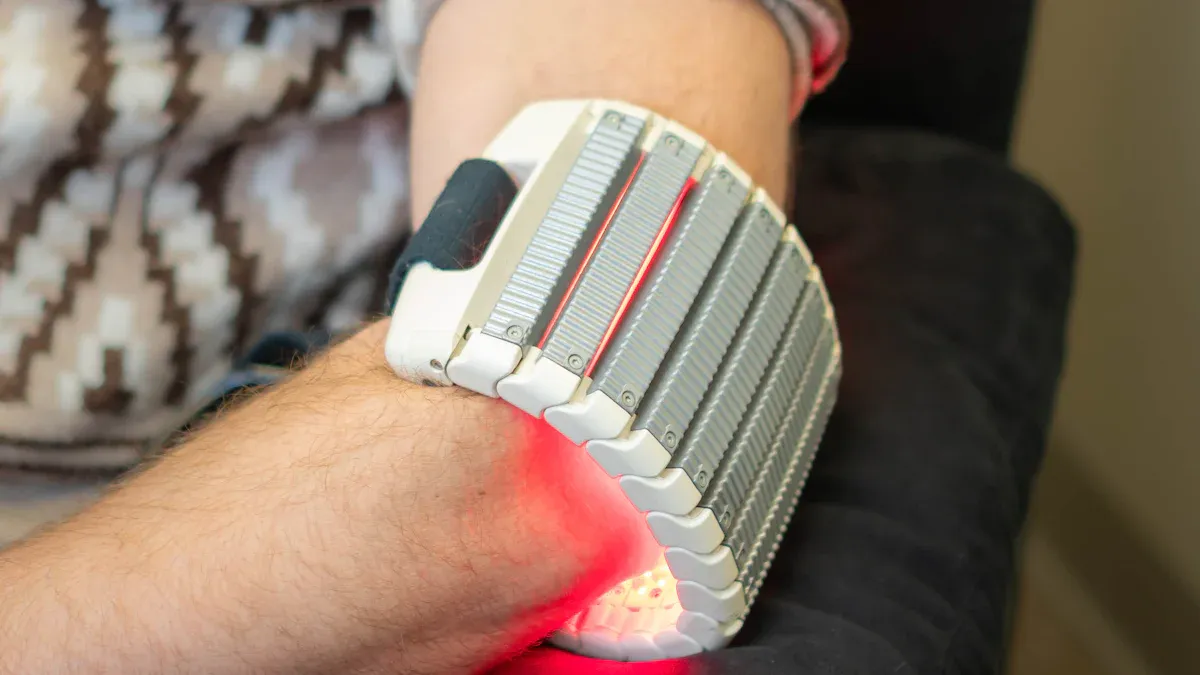
Healing Burns and Ulcers
If you have burns or ulcers, healing can be slow. Low level red light therapy may help your skin heal faster. It can also make pain less. Doctors have tried this therapy on people with hard-to-heal wounds. They saw that wounds healed quicker and infection risk went down. You might notice less fluid coming from the wound. You could feel less pain as your skin gets better.
Here are some things studies found:
|
Study Title |
Findings |
|---|---|
|
RLT helped wounds heal better, lowered pus and pain, and made healing faster. |
|
|
PBM lowered the chance of scars and thick scars, so it may be a gentle choice instead of surgery. |
Tip: If you want to heal wounds faster, talk to your doctor. This therapy might help you avoid scars and get back to normal life sooner.
Pain and Inflammation
Pain from sore muscles or joints can be hard to handle. Low level red light therapy is a gentle way to help with pain and swelling. Many people use it for knee pain, fibromyalgia, or tennis elbow. You do not need strong medicine or long recovery.
Here is what experts say about pain relief:
-
Photobiomodulation therapy can lower swelling and pain in muscles and joints.
-
Doctors use it for knee pain, osteoarthritis, and fibromyalgia.
-
A 2021 review showed this therapy helps with both quick and long-lasting pain.
-
Experts think it works well for tendon problems and other swelling.
-
You may heal faster because the therapy lowers swelling and helps your body recover.
-
Studies show it can help with neck pain, back pain, and tennis elbow.
Note: Always follow the directions for your device. Using it the right way can help you feel better and move more easily.
If you want a safe way to heal wounds or ease pain, low level red light therapy could be a good choice. Many people feel better and heal faster without side effects.
Performance and Recovery
Muscle Recovery
You want your muscles to feel better after hard exercise. Low level red light therapy can help your muscles heal faster. It also helps you feel less sore. Athletes use this therapy to get back to their sport sooner. You do not have to be a pro to see good results. People who work out often also notice less pain and quicker healing.
Here is what scientists found:
|
Insights |
Details |
|---|---|
|
Recovery Importance |
Olympic athletes need fast recovery to win. |
|
Everyday Benefits |
Regular people recover faster for their next workout. |
If you use this therapy after exercise, your muscles heal faster. You will feel less sore and get your strength back sooner. Studies show that red light therapy lowers swelling and muscle damage. Some research says you can get tired less quickly during hard workouts.
|
Findings |
Details |
|---|---|
|
Faster Recovery |
Less swelling and faster return of strength and power. |
|
Reduced Soreness |
Less muscle damage and soreness. |
|
Improved Endurance |
You get tired later in tough workouts. |
|
Enhanced Performance |
You perform better and heal faster. |
|
Increased Blood Flow |
More blood helps tired muscles rebuild. |
|
Muscle Strength Improvement |
Using therapy before exercise makes muscles stronger. |
|
Decreased Inflammatory Markers |
Less soreness and swelling. |
Tip: Try using red light therapy before or after you exercise. You may feel less pain and have more energy next time.
Joint and Chronic Pain
If your joints hurt or you have pain all the time, it can be hard to stay active. Low level red light therapy is a gentle way to help pain without medicine or shots. Many people use it for arthritis, sore muscles, or pain that lasts a long time.
Here are some reasons to try this therapy:
-
It works for arthritis and muscle pain.
-
It gives you better blood flow and less swelling.
-
You do not need medicine from a doctor or shots.
-
Usual treatments can cause side effects or make you depend on them.
-
Red light therapy does not use needles or drugs.
-
It helps your body heal by working on your cells.
You can use this therapy at home or at a clinic. Many people feel better and move easier after using it often. If you want a safe way to help pain and heal faster, this therapy might be right for you.
Note: Always use your device the way the directions say. Using it often gives you the best results.
At-Home vs Clinical Red Light Therapy
Effectiveness of Home Devices
You might wonder if home devices can give you the same results as treatments at a clinic. Most at-home panels use lower power, so you need longer sessions and more frequent use. You can treat yourself whenever you want, which makes it easy to fit into your routine. If you use a quality device, you may see results in 8 to 16 weeks. Home panels work well for skin and hair, but deeper issues like joint pain may need stronger lights.
|
Factor |
Home Panels |
Clinic Sessions |
|---|---|---|
|
Intensity |
30-40 mW/cm² |
Much higher |
|
Session Length |
10-20 minutes |
Shorter, higher power |
|
Frequency |
3-5 times per week |
Weekly |
|
Timeline |
8-16 weeks for results |
Faster initial results |
|
Cost |
One-time device purchase |
$75-$110 per session |
|
Convenience |
Anytime at home |
Need appointments |
|
Coverage |
Panel size varies |
Full-body systems available |
Tip: Look for devices that offer both red and near-infrared light. Red light helps your skin, while near-infrared reaches deeper muscles and joints.
Professional Treatments
Clinic treatments use stronger devices and expert protocols. You get faster results, especially for tough problems like chronic pain or deep wounds. Professionals can target the right areas and adjust the settings for your needs. You may need fewer sessions, but each visit costs more. Clinics often use full-body systems, so you get even coverage.
|
Device Type |
Wavelengths (nm) |
Power Output (mW/cm²) |
|---|---|---|
|
At-home |
630-680 |
Lower (<30 mW/cm²) |
|
|
800-850 |
Mid-range (30-80 mW/cm²) |
|
Clinical |
630-660 |
High (80+ mW/cm²) |
-
Red light (630-680 nm) helps with skin.
-
Near-infrared (800-850 nm) works for muscles and joints.
-
Clinic devices use higher power for deeper results.
Safety and Cost
Low level red light therapy is safe for most people when you follow the instructions. You do not need to worry about UV rays or burns. If you have a medical condition like lupus, talk to your doctor first. Always use eye protection during sessions.
|
Treatment Type |
Cost per Session |
Annual Cost (3 times/week) |
|---|---|---|
|
Professional Sessions |
$50 |
$7,800 |
|
Package Deal |
$30 |
$4,680 |
|
At-Home Device |
|
$500 (one-time purchase) |
-
Home devices cost less over time.
-
Clinics offer expert care but cost more.
-
Choose a device that is FDA cleared and matches your goals.
Note: Always consult a dermatologist before starting. Follow the instructions and protect your eyes for safe results.
You’ll find the strongest proof for skin repair, hair growth, and easing chronic pain with low level red light therapy. Some claims, like weight loss or major disease treatment, still need better studies. If you want safe results, pick FDA-cleared devices and follow instructions. Here’s a quick guide:
|
What Works Best |
What Needs More Study |
|---|---|
|
Skin, hair, pain |
Weight loss, lifespan |
Always talk to your doctor before starting. Choose what fits your needs and budget.
FAQ
How long does it take to see results with red light therapy?
You might notice changes in your skin or hair after 8 to 16 weeks. Some people see results sooner. If you use your device often and follow the instructions, you can get better results.
Is red light therapy safe for kids and teens?
Most studies say red light therapy is safe for young people. You should always talk to a doctor first. Never shine the light directly into your eyes.
Tip: Use eye protection and follow safety guidelines for every session.
Can you use red light therapy every day?
You can use red light therapy three to five times a week. Daily use is safe for most people. If your skin feels sensitive, take a break.
|
Frequency |
Recommended Use |
|---|---|
|
Daily |
Safe for most |
|
3-5 times/week |
Best results |
Do you need a prescription for at-home red light devices?
You do not need a prescription for most at-home devices. You can buy them online or in stores. Choose a device that is FDA-cleared for safety.
What should you avoid when using red light therapy?
You should not use red light therapy on open wounds unless your doctor says it is safe. Do not look directly at the light. Always read the instructions before you start.
Medical Disclaimer
The information shared by MicroENE, including testimonials, research summaries, or case studies, is for informational use only and does not constitute medical advice. Individual responses to light therapy may vary, and results from studies or customer experiences do not guarantee similar outcomes with MicroENE devices. Always consult your physician before starting light therapy, and do not alter any medical treatments without professional guidance.