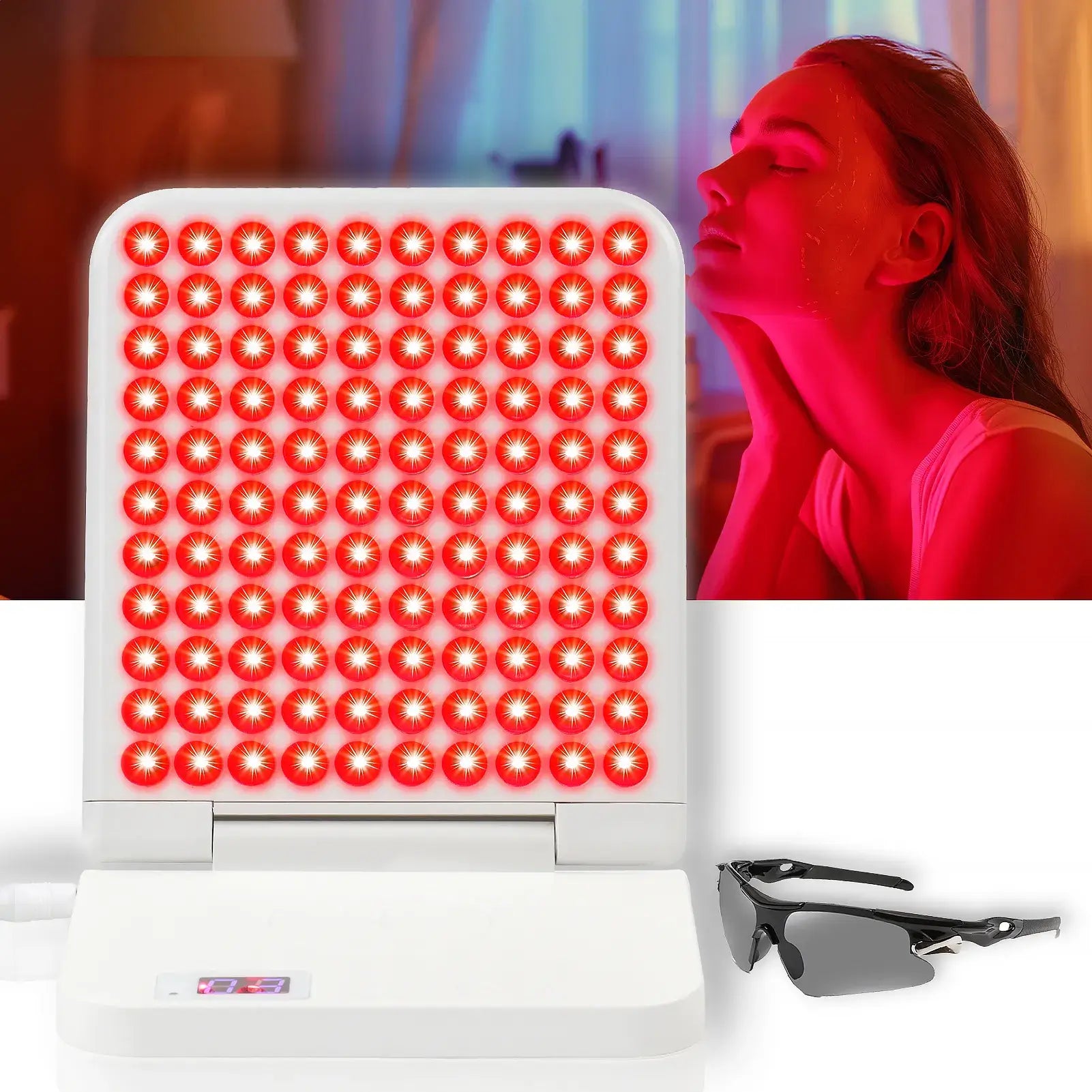
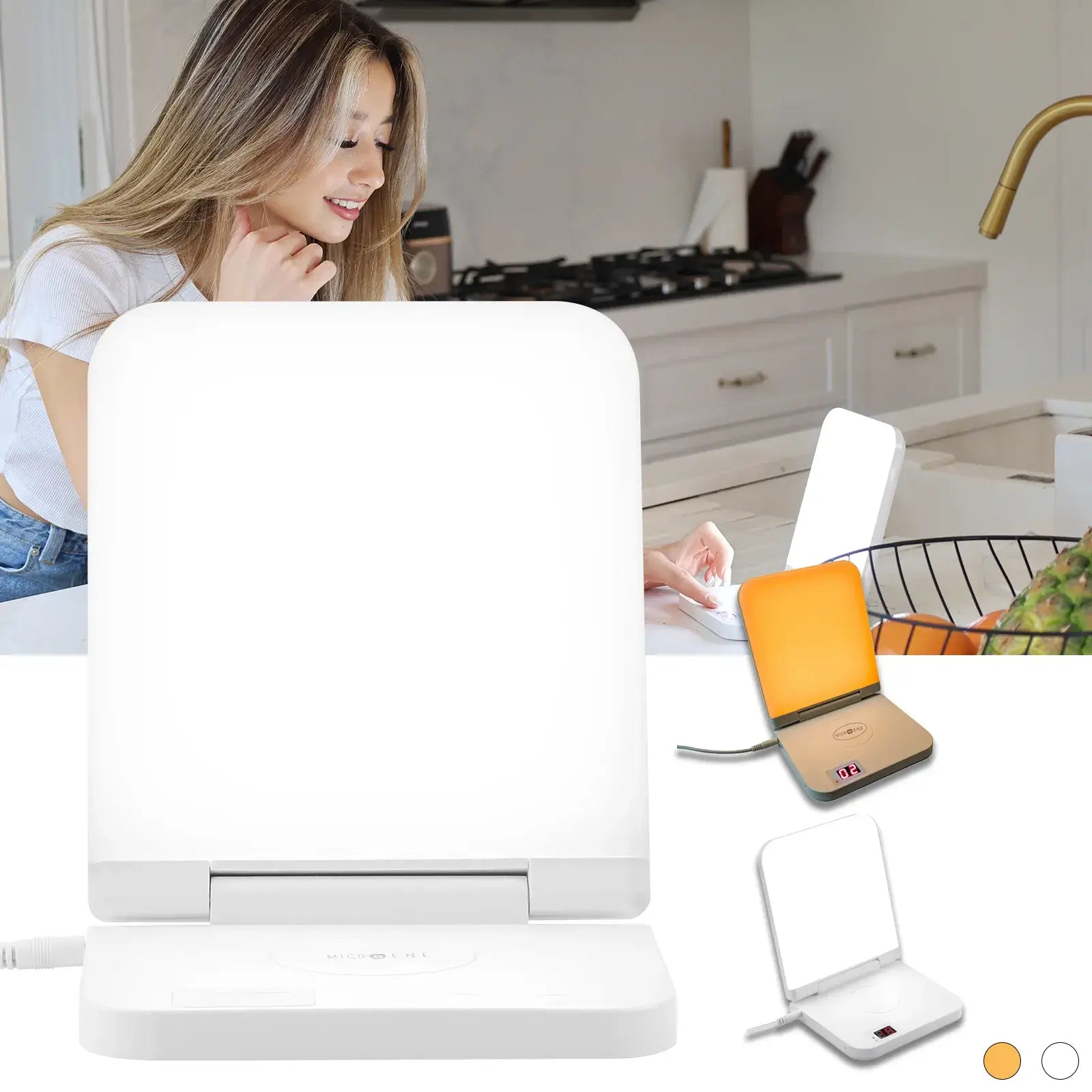
You might ask if a sun lamp helps your body make vitamin D. The answer depends on what kind of sun lamp you use. Only a sun lamp with UVB light can help your skin make vitamin D. Regular sun lamps for SAD or red light therapy do not help with vitamin D. They use other types of light that do not make your body produce vitamin D. In the United States, about 17.2% of people have low vitamin D. About 8.1% of people do not have enough vitamin D. These numbers are even higher in places with less sunlight.
-
17.2% of people in the US (ages 1 and up) do not have enough vitamin D.
-
8.1% of people in the US (ages 1 and up) are missing vitamin D.
-
For kids and teens (ages 6-18), 10.3% do not have enough and 4.6% are missing vitamin D.
Key Takeaways
-
Only sun lamps with UVB light help your body make vitamin D. Always look at the label before you buy one.
-
A short time with UVB light, like 5 to 15 minutes, a few times each week, can raise your vitamin D levels well.
-
SAD lamps and red light therapy do not give off UVB light, so they cannot help your body make vitamin D.
-
When you use a vitamin D lamp, follow safety rules to keep your skin and eyes safe from UV harm.
-
If you do not get much sunlight, think about taking vitamin D supplements or eating foods with vitamin D to keep your levels healthy.
How Does a Sun Lamp Help with Vitamin D?
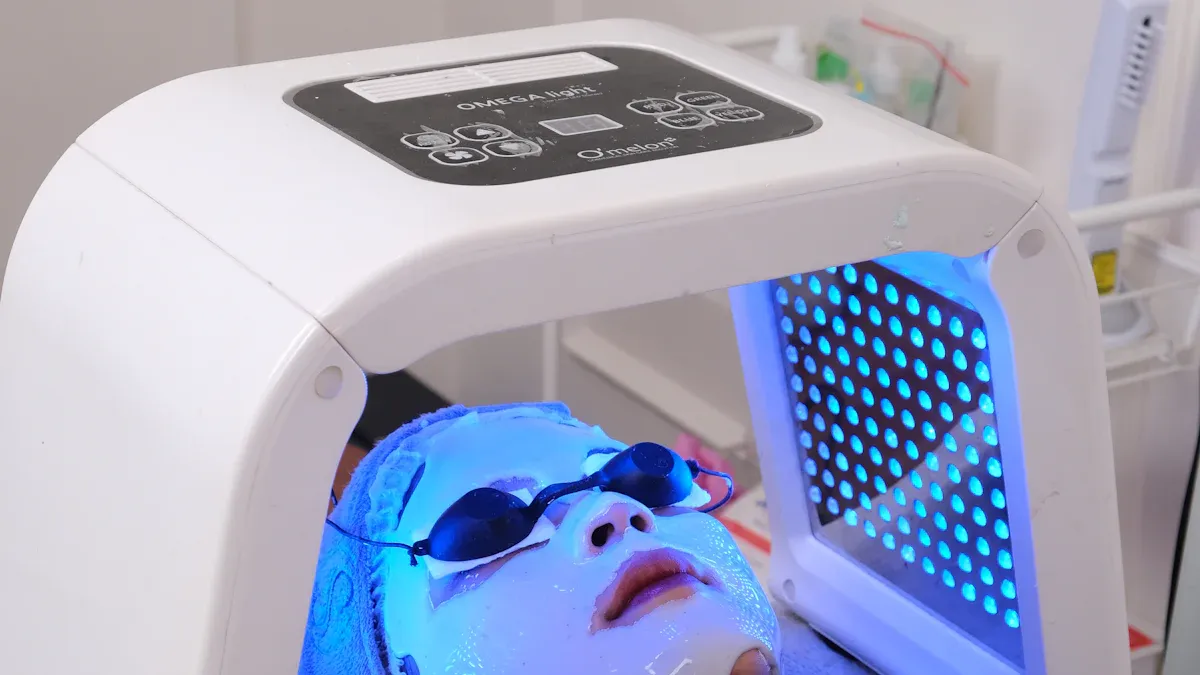
UVB Light and Vitamin D Production
You might wonder how your body actually makes vitamin D. It all starts when your skin meets UVB light. When you step outside on a sunny day, your skin absorbs UVB rays from natural daylight. These rays have a special wavelength, between 290 and 315 nanometers, that your body needs for vitamin d production. Inside your skin, there’s a molecule called 7-dehydrocholesterol. When UVB light hits this molecule, it changes into something called previtamin D3. This new molecule quickly turns into vitamin d, which your body uses for strong bones, a healthy immune system, and more.
You don’t need to spend hours in the sun or under a sunlamp to get enough vitamin d. Short bursts of exposure work best. For example, if you let your arms, hands, and face soak up UVB light for just 5 minutes, two or three times a week, you can help your body make enough vitamin d. If you expose more skin, like your arms, legs, or torso, you might need 10 to 15 minutes each time. Even a single session every two weeks, with most of your body exposed, can help.
|
Duration (minutes) |
Frequency (times/week) |
|
|---|---|---|
|
Arms, hands, face |
5 |
2-3 |
|
Arms, legs, torso |
10-15 |
2-3 |
You can see how a vitamin d lamp that gives off UVB light can help, especially if you live in a place with little sunlight or spend most of your time indoors. Research shows that using a UVB-emitting sunlamp, like the Sperti lamp, can raise your vitamin d levels in just a month. This is great news for people who have trouble getting enough vitamin d from food or sunlight. Doctors sometimes recommend these lamps for people with chronic vitamin d deficiency or absorption problems.
Daylight from the sun is the most natural way to get vitamin d, but not everyone has the same chance to enjoy it. If you live far from the equator, winter months bring less daylight and weaker UVB rays. That’s when a vitamin d lamp can really help. Just remember, only UVB light triggers vitamin d production. Other types of light, like UVA or visible light, won’t do the job.
Why SAD Lamps and Red Light Don’t Work?
You might see lots of lamps advertised for boosting your mood or energy, especially during the winter. These are called sad lights, and they’re made for people with seasonal affective disorder. Sad lights give off bright, white light that mimics natural daylight, but they don’t have UVB rays. That means they can’t help your skin make vitamin d.
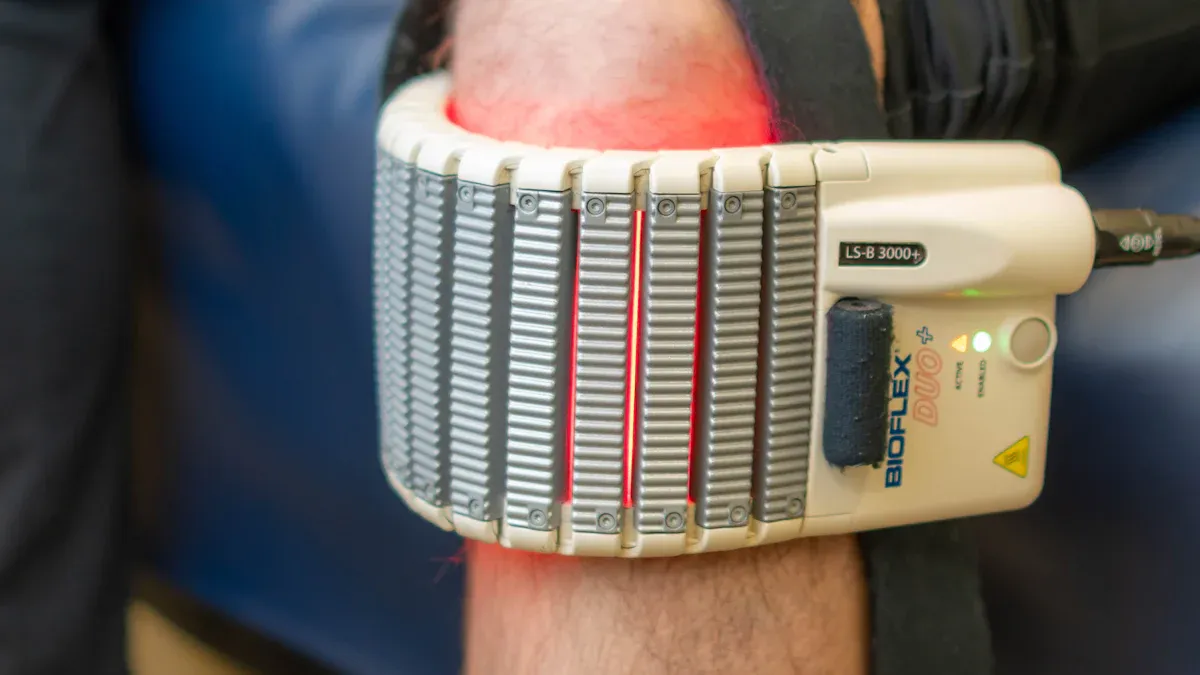
Red light therapy is another popular option. These devices use red and near-infrared light, not UVB light. The rays from red light therapy fall outside the range needed for vitamin d production. So, even if you use sad lights or red light therapy every day, your body won’t make more vitamin d.
Here’s a quick list to help you remember:
-
Vitamin d synthesis needs UVB light, between 280 and 315 nanometers.
-
Sad lights for seasonal affective disorder do not emit UVB rays.
-
Red light therapy uses red and near-infrared rays, not UVB.
-
Only a vitamin d lamp or sunlamp with UVB light can help your body make vitamin d.
You might feel more awake or happier after using sad lights, especially when there’s not much natural daylight. But if you want to boost your vitamin d, you need UVB light. Natural daylight is always best, but a UVB sunlamp is a good backup when sunlight is hard to find.
Tip: Always check the label before buying a lamp. If it doesn’t say “UVB” or “vitamin d lamp,” it probably won’t help with vitamin d production.
Choosing a Vitamin D Lamp
What Makes a Lamp Effective?
When you shop for a vitamin d lamp, you want to make sure it actually helps your body make vitamin d. Not every lamp does the job. The best vitamin d lamp gives off UVB light, which your skin needs to start making vitamin d. You should look for a lamp that has a controlled wavelength between 290 and 315 nanometers. This range matches the natural sunlight your body uses for vitamin d production.
Here’s a quick table to help you spot the right features:
|
Key Feature |
Description |
|---|---|
|
UVB Light Emission |
Triggers vitamin d3 synthesis in your skin, just like sunlight. |
|
Controlled Wavelength |
Emits UVB light in the 290-315 nm range for safe and effective use. |
|
Adjustable Brightness/Timer |
Lets you set how long and how strong the light is, so you avoid overuse. |
|
Safety Considerations |
Includes goggles and clear instructions to protect your eyes and skin. |
Some vitamin d lamps, like the Sperti sunlamp, come with timers and safety goggles. These features help you use the lamp safely and get the most sunlamp benefits without risking your health. Always check if the lamp meets safety standards, such as the European Working Directive or ANSI/IES guidelines. These rules keep you safe from too much UV exposure.
Sunlamp vs. SAD Lamp vs. Red Light
You might see many lamps in stores or online, but not all of them help with vitamin d. Here’s how they compare:
-
The Sperti vitamin d lamp and other UVB sunlamps give you the UVB rays your skin needs for vitamin d production.
-
SAD lamps use bright, white light to boost your mood, but they do not emit UVB light. They cannot help your body make vitamin d.
-
Red light therapy lamps use red or near-infrared light. These do not trigger vitamin d production at all.
Many people think SAD lamps or red light therapy can help with vitamin d, but this is not true. Only a vitamin d lamp with UVB light can help your body make vitamin d. If you want to raise your vitamin d levels, you need a lamp that says it emits UVB light. Always read the label and instructions before you buy.
Note: If you have questions about which lamp to choose, talk to your doctor. They can help you pick a safe and effective vitamin d lamp for your needs.
Safety Tips for Using a Sun Lamp
UVB Risks and Precautions
Using a sun lamp for vitamin d can help you boost your vitamin d levels, but you need to know the risks. UVB light therapy works by giving your skin the same kind of uvb exposure you get from sunlight. Too much uvb can harm your skin and eyes. You might think a little extra uv is harmless, but even short exposure to lamps can cause problems.
Here’s a table that shows the main risks of uvb exposure:
|
Risk Type |
Description |
|---|---|
|
Solar radiation and uv-emitting devices can cause skin cancer. |
|
|
Eye Damage |
UV rays may lead to photokeratitis, cataracts, and other eye problems. |
|
Other Health Issues |
Sunburn, early skin aging, weaker immune system, and more sensitivity to uv. |
|
Increased Cancer Risk |
Indoor tanning raises the risk of basal cell cancer by 24% and squamous cell by 58%. |
|
Melanoma Risk |
Starting indoor tanning before age 35 increases melanoma risk by about 60%. |
You should always take uvb radiation seriously. Even if you use an indoor uv device for vitamin d, you can still get sunburn or damage your eyes. Never look directly at the lamp. If you have a history of skin cancer or eye problems, talk to your doctor before starting uvb light therapy.
How to Use a Vitamin D Lamp Safely?
You can use a vitamin d lamp at home, but you need to follow some simple steps to stay safe. Dermatologists recommend these safety guidelines for uvb light therapy:
|
Safety Guideline |
Description |
|---|---|
|
Prepare Your Skin |
Clean and dry your skin. Do not use lotions unless your doctor says it’s okay. Cover areas you don’t want exposed. |
|
Use the Right Dosage and Time |
Start with short sessions, like 30-60 seconds. Slowly increase time as your doctor suggests. Keep the lamp 10-20 cm from your skin. Write down each session. |
|
Protect Your Eyes and Sensitive Areas |
Always wear uv-protective goggles. Cover your face or other sensitive spots if not being treated. |
|
Monitor Your Progress |
Take weekly photos to see changes. Change how often you use the lamp based on your doctor’s advice. |
You can also take extra steps to protect yourself during uvb exposure:
-
Wear protective clothing to cover your skin.
-
Use sunglasses that block uv rays.
-
Put on sunscreen with at least SPF 30 before bright light therapy.
-
Stay away from tanning beds and other indoor uv devices not made for vitamin d.
If you feel burning, itching, or see redness, stop using the lamp and call your doctor. Some people should not use uvb light therapy, like those with certain skin or eye conditions. Always ask your doctor if uvb is right for you.
Tip: If you cannot use a vitamin d lamp, you still have options. You can try vitamin d supplements or eat foods rich in vitamin d. These choices help you keep healthy vitamin d levels without any uvb exposure.
Alternatives for Vitamin D Deficiency
Supplements and Diet
If you cannot get enough vitamin D from the sun or a sunlamp, there are other ways to help your body. Many people use supplements or change what they eat to get more vitamin D. There are two main types of supplements: vitamin D2 and vitamin D3. Vitamin D3 is better at raising your vitamin D levels. You can find vitamin D3 in animal foods and in most pills you buy at the store.
Eating certain foods can help you get enough vitamin D. Some foods have more vitamin D than others. Fatty fish like salmon, mackerel, and trout give you a lot. Foods like milk, orange juice, and breakfast cereals are sometimes fortified with vitamin D. Egg yolks, beef liver, and mushrooms that have been exposed to UV light are also good choices.
Here’s a table that shows how much vitamin D is in different foods:
|
Food Source |
Vitamin D Content (IUs) |
Percentage of Daily Value (%) |
|---|---|---|
|
Wild-caught sockeye salmon |
447 |
56 |
|
Fortified orange juice |
137 |
17 |
|
Egg yolk |
41 |
5 |
|
Beef liver |
42 |
5 |
|
UV-exposed mushrooms |
450 |
56 |
Most experts say adults need sunlight or about 600 IU of vitamin D each day. If you do not get enough sun, you can take supplements or eat foods with vitamin D. This helps stop vitamin D deficiency and keeps your bones and immune system healthy.
When to Choose Alternatives?
You might need supplements or special foods if you have vitamin D deficiency, live where there is little sunlight, or stay inside most of the time. Older adults who do not go outside much have a higher risk of not getting enough vitamin D. Sometimes, taking pills is not enough for older people, so doctors may tell them to eat more vitamin D foods or use a vitamin D lamp.
Supplements work for most people, but you should not take too much. Taking high doses for a long time can cause problems like stomach pain, diarrhea, or too much calcium in your blood. Your body can control vitamin D from sunlight, but it cannot do this with pills. If you use supplements, only take the amount your doctor says is safe.
Here are some tips to help you get enough vitamin D:
-
Try to get sunlight when you can.
-
Eat foods with lots of vitamin D if you do not get enough sun.
-
Take supplements if your doctor tells you, but do not take too much.
-
Ask your doctor about vitamin D lamps if you have trouble getting enough vitamin D or have a long-term deficiency.
Note: Sunlight is the best way to get vitamin D, but you have safe choices. Supplements and food can help you reach the right vitamin D levels and keep you healthy.
To keep your vitamin D levels steady, use sun, healthy foods, and supplements if you need them. This helps stop vitamin D deficiency and keeps your whole body strong.
You can raise your vitamin D with a UVB sunlamp or a special LED device. Studies show these lamps help people who do not get enough sunlight or have vitamin D deficiency.
|
Study |
Findings |
|---|---|
|
Prototype Wearable LED Device |
Helped people get more vitamin D at home |
|
SOLIUS UVB Light System |
Increased vitamin D by 10.2 ng/ml in 16 weeks for people with deficiency |
Follow these safety tips:
-
Choose lamps that give off UVB light.
-
Set a timer so you do not use it too long.
-
Put on goggles to keep your eyes safe.
-
Talk to your doctor if your skin is sensitive.
If you cannot use a lamp, you can take supplements or eat foods with vitamin D. There are many safe ways to keep your vitamin D levels up and stay healthy.
FAQ
Can you get vitamin D from a regular SAD lamp?
No, you can’t. SAD lamps do not give off UVB light. They help with mood but not with vitamin D. You need a special vitamin D lamp that emits UVB rays.
How long should you use a vitamin D lamp?
Most people start with 1-5 minutes, two or three times a week. You should follow the instructions that come with your lamp. Ask your doctor for advice if you’re not sure.
Is a vitamin D lamp safe for kids?
You should talk to your child’s doctor first. Kids have sensitive skin. A doctor can tell you if a vitamin D lamp is a good choice and how to use it safely.
What’s the difference between a sunlamp and a tanning bed?
A sunlamp for vitamin D gives off controlled UVB light. Tanning beds use stronger UV rays and raise your risk of skin cancer. You should avoid tanning beds for vitamin D.
Medical Disclaimer
The information shared by MicroENE, including testimonials, research summaries, or case studies, is for informational use only and does not constitute medical advice. Individual responses to light therapy may vary, and results from studies or customer experiences do not guarantee similar outcomes with MicroENE devices. Always consult your physician before starting light therapy, and do not alter any medical treatments without professional guidance.