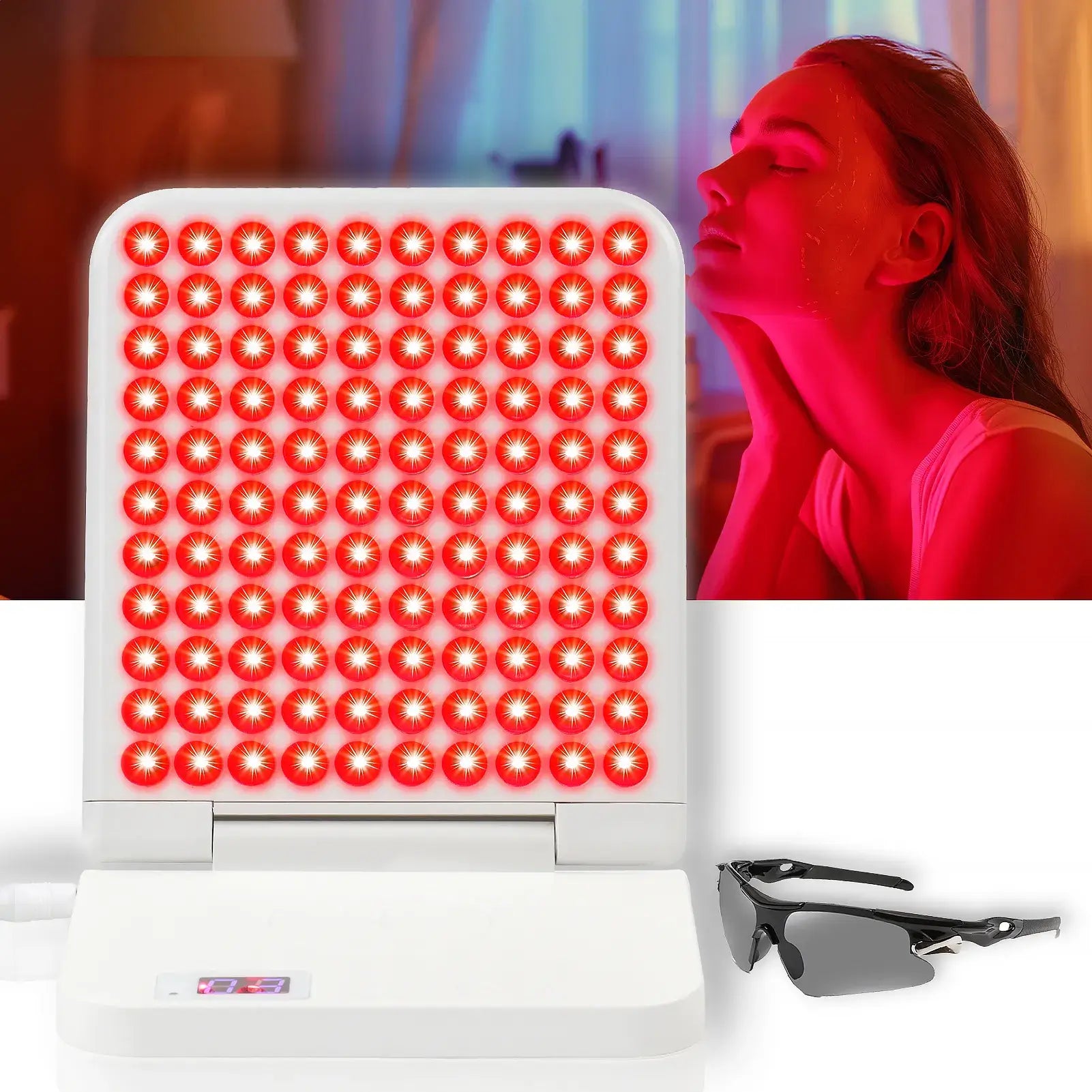
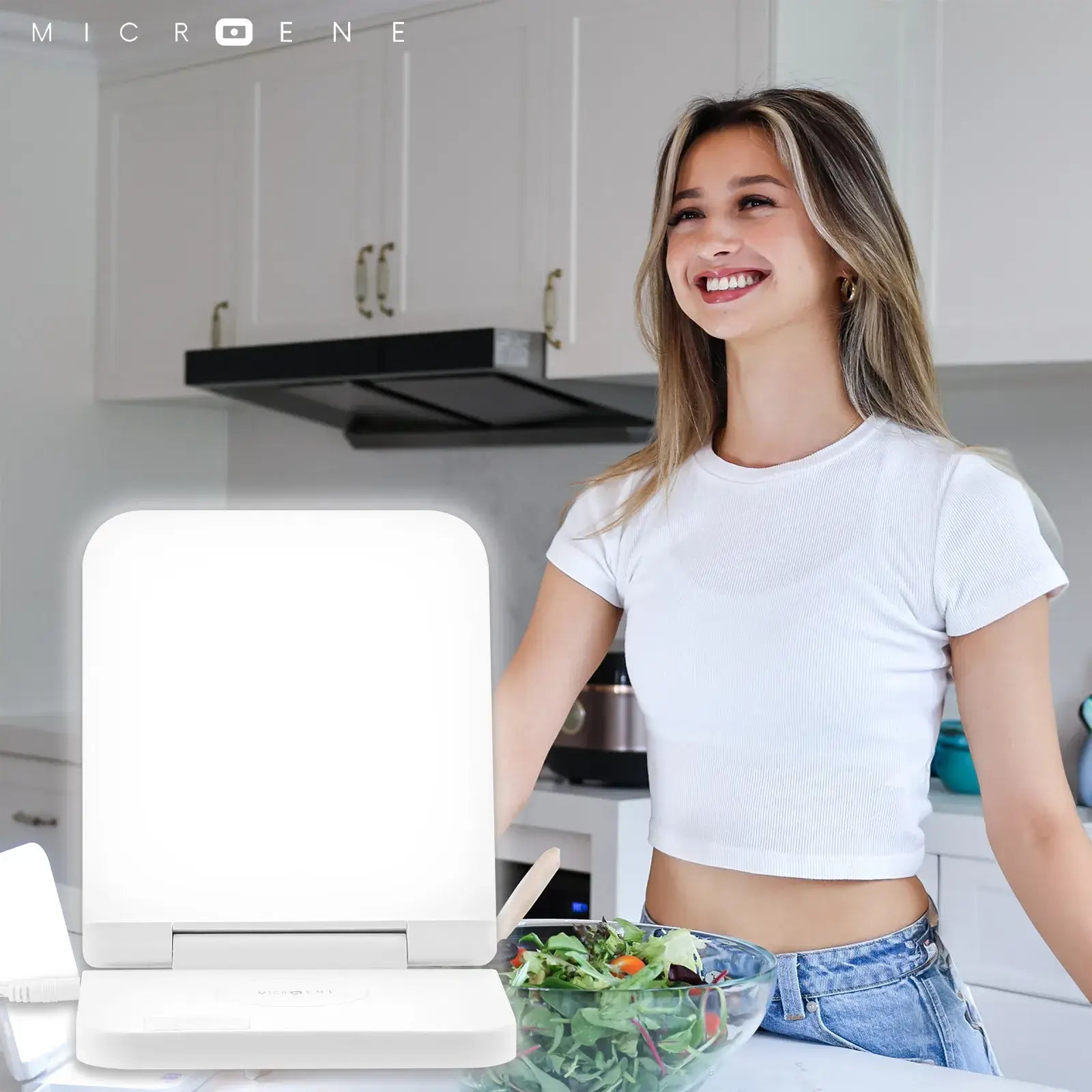
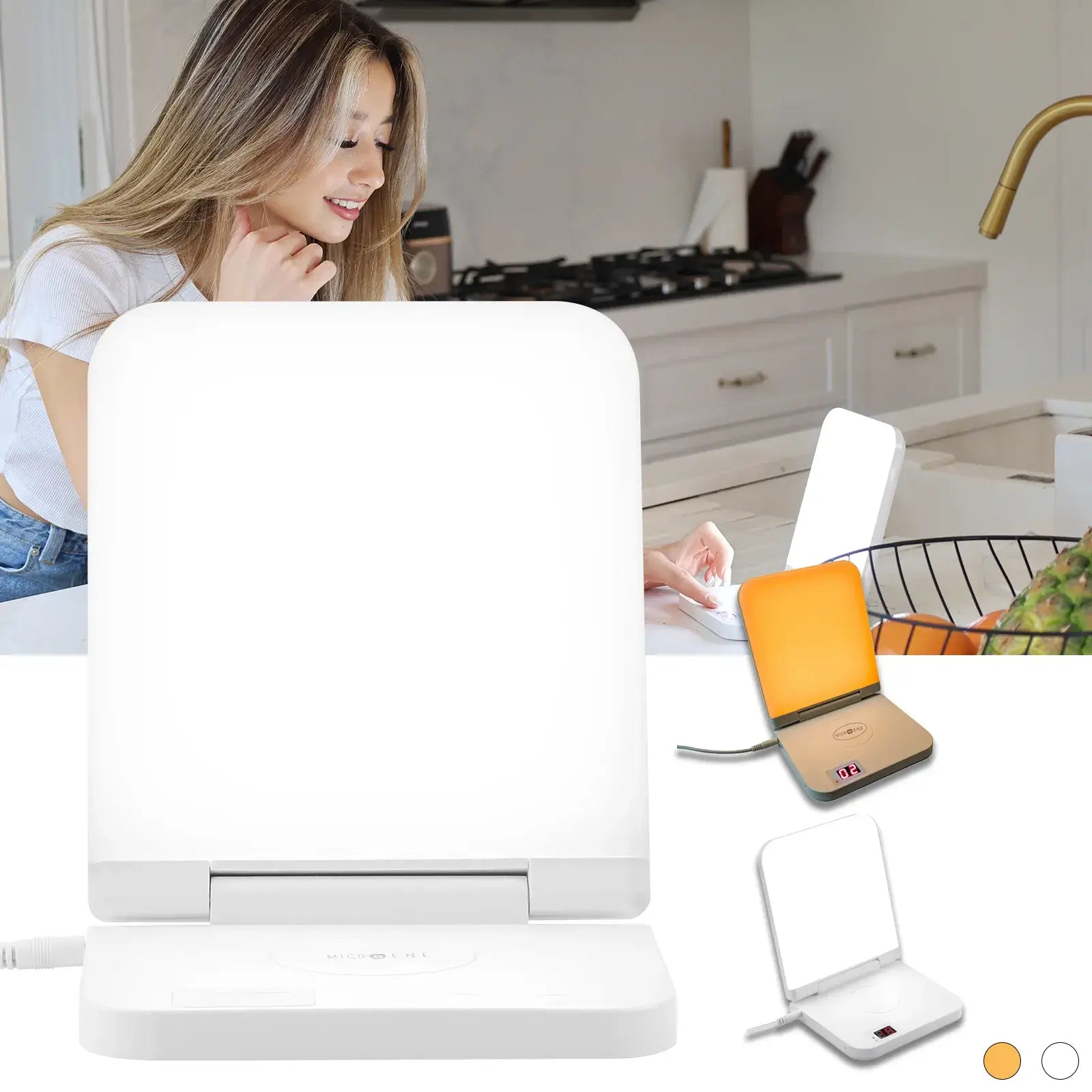
You may ask if you can use a SAD lamp all day to feel better. Experts say you should not use it all day. Most health groups say to use it for up to 90 minutes each day. Some people may need less time if they feel side effects. Here is what studies show about how many people with sad get better from this light therapy:
|
Condition Severity |
Remission Rate (%) |
|---|---|
|
All individuals with SAD |
|
|
Moderate to severe symptoms |
43 |
Key Takeaways
-
Use a SAD lamp for 20 to 90 minutes each day. The time depends on how bright the lamp is. Short sessions work better than using it all day.
-
Do not use the lamp late in the day. This can make it hard to sleep. Using it in the morning helps your body know when to sleep and wake up.
-
Look out for side effects like headaches or feeling restless. If you notice these, use the lamp for less time. You can also sit farther away from the lamp.
-
Pick a lamp with at least 2,500 lux to work well. A 10,000 lux lamp only needs 20 to 30 minutes of use.
-
Talk to your doctor if you have health problems. Also talk to your doctor if you have strong side effects. Your doctor can help you use the lamp safely.
Is All-Day SAD Lamp Use Safe?

Expert Opinions on Duration
You might think that more time in front of a light therapy lamp means better results. That is not true. Experts agree that you should not use a therapy lamp all day. Most mental health professionals suggest you use a therapy lamp for only a short session each day. The right amount of time depends on how bright your lamp is. Here is a quick look at what experts recommend:
|
Light Intensity |
Recommended Daily Duration |
|---|---|
|
10,000 lux |
30 minutes |
|
2,500 lux |
1–2 hours |
Most people use a therapy lamp for about 20 to 30 minutes each morning. This short session helps your body wake up and feel more alert. If your lamp is less bright, you might need a longer session, but you still should not use it all day. Clinical guidelines say that light therapy works best when you follow these limits. Using a lamp for too long can cause problems instead of helping you feel better.
Tip: Stick to the recommended session length for the most effective sad lamps. More time does not mean better results.
Why Overuse Is Not Recommended?
You may wonder why you cannot just leave your sad lamp on all day. Using a lamp for hours can cause side effects. Some people get headaches, eyestrain, or even feel agitated. Others may have trouble sleeping at night. Overuse can also lead to nausea or make you feel restless. Some people with certain health conditions, like eye problems or bipolar disorder, should be extra careful with light therapy.
Here are some reasons why using a lamp all day is not safe or effective:
-
You can get headaches or eyestrain.
-
You might feel restless or agitated.
-
Your sleep-wake cycle can get mixed up, making it hard to fall asleep at night.
-
People with eye diseases or diabetes should talk to a doctor before starting treatment.
-
Using a lamp as a desk light all day can make side effects worse.
Many people think that more light means better treatment for sad. That is a common mistake. Too much light can actually make you feel worse. The best way to use light therapy is to follow expert advice and keep your sessions short. This helps you get the benefits without the risks.
Light therapy is a safe and helpful treatment for sad when you use it the right way. You can feel better, have more energy, and sleep well if you use your lamp as directed. If you ever feel side effects, try moving farther from the lamp or using it for less time. Always talk to your doctor if you have questions about your treatment plan.
Recommended SAD Lamp Usage
Standard Session Lengths
You might wonder how long you should use your therapy lamp each day. Most experts say you should start with short sessions and slowly build up. Many people begin with just 15 minutes a day for the first week. After that, you can increase your time to 30 or even 45 minutes each morning. If you use a lamp with 10,000 lux, you usually need only 20 to 30 minutes a day. This amount of light is enough for most people to see results.
Here’s a quick table to help you see the typical session lengths:
|
Session Length |
Recommendation |
|---|---|
|
Initial Use |
15 minutes/day for a week |
|
Extended Use |
30-45 minutes/day |
|
Daily Use |
20-30 minutes/day (10,000 lux lamp) |
You should use your therapy lamp at the same time each day. Most people find that morning sessions work best. This helps your body wake up and keeps your sleep on track. If you skip days or use your lamp at random times, you might not get the full benefits of light therapy.
Tip: Make light therapy part of your daily routine—even on weekends. Consistency helps your body adjust and gives you the best chance to improve your mood and energy.
Adjusting Time for Brightness
Not all lamps are the same. The brightness, measured in lux, changes how long you need to sit in front of your lamp. Lamps with 10,000 lux are the gold standard for bright light therapy. If your lamp is less bright, you will need to use it for a longer time. For example, a lamp with only 2,500 lux may require up to two hours to give you the same effect as a 30-minute session with a 10,000 lux lamp.
You should also pay attention to how far you sit from your lamp. Most experts suggest sitting 16 to 24 inches away. If you sit farther back, you may need to add more time to your session. The goal is to get enough light into your eyes without staring directly at the lamp.
Here are some quick facts to remember:
-
The minimum brightness for effective therapy is 2,500 lux.
-
The best results come from lamps that provide 10,000 lux.
-
If you use a less powerful lamp, increase your session time.
-
Always follow the instructions that come with your light therapy lamp.
You might feel tempted to use your sad lamp for longer sessions, but more time does not always mean better results. Instead, focus on making light therapy a steady part of your daily routine. Research shows that daily 30-minute sessions in the morning can help improve symptoms of sad. Consistent use, even on weekends, gives you the best chance to feel better.
Note: If you have questions about using a lamp or if you notice side effects, talk to your doctor. Professional guidance can help you get the most out of bright light therapy.
Light Therapy Safety and Risks
Common Side Effects
When you use a light therapy lamp for sad, you might notice some mild effects at first. Most people find these effects go away if they lower the light or shorten their session. You should know what to watch for so you can adjust your treatment if needed.
Here are some of the most common side effects people report during light therapy:
-
Headache
-
Agitation or feeling restless
-
Insomnia or trouble sleeping, especially if you use the lamp in the evening
-
Sleep disturbance (about 62% of people who use evening light notice this)
-
Visual complaints, like eye strain or irritation (about 26% of users)
-
Mild nausea or dizziness
If you start to feel any of these effects, try moving farther from the therapy lamp or using it for less time. Most side effects are mild and go away on their own.
You might also notice that some people with migraines or eye problems feel these effects more strongly. If you have these conditions, talk to your doctor before starting treatment.
Long-Term Concerns
You may wonder if using a sad lamp for light therapy can cause long-term problems. Good news—studies show that treatment with a proper light therapy lamp is generally safe. Most lamps filter out UV light, which protects your eyes and skin. Experts have not found any major changes in eye health after short-term or long-term use of these lamps.
Still, you should always use a lamp that meets safety standards. Lamps that do not filter UV light can cause damage over time. Look for devices that follow safety rules like IEC 62471 and IEC 60601-2-83. These standards help make sure your treatment stays safe at home.
Here’s a quick look at how different lamps compare:
|
Factor |
LED Lamps |
Fluorescent Lamps |
|---|---|---|
|
UV Light |
Should filter out harmful UV |
Usually UV-free |
|
Health Risks |
Flicker may cause eye strain or headaches |
Less flicker, fewer visual effects |
|
Long-term Effects |
Unknown for retinas, ask your doctor |
Same advice for retinal health |
If you take certain medications or have a history of bipolar disorder, check with your doctor before starting light therapy. Some treatments can trigger mood changes or interact with your health conditions.
Tip: Always use your therapy lamp as directed and choose a device that filters out UV light. This helps you get the benefits of light therapy without unwanted effects.
Signs of Incorrect SAD Lamp Use
Physical Symptoms
You might notice some physical effects if you use your therapy lamp the wrong way. These signs can show up quickly, especially if you spend too much time with your light therapy lamp or use it at the wrong time. Here are some symptoms you should watch for:
-
Headaches that come and go
-
Eye strain or blurry vision
-
Nausea or dizziness after a session
-
Feeling irritable or agitated
-
Trouble sleeping, especially if you use the lamp late in the day
-
Sensitivity to light that makes you squint or feel uncomfortable
-
Mild manic episodes, called hypomania, if you have bipolar disorder
If you notice any of these effects, you should change your treatment routine. Try lowering the brightness, shortening your session, or moving farther from the lamp. Some people need to start with a lower-strength lamp if they feel sensitive to light. Always listen to your body during treatment.
If you feel euphoria or strong irritability, stop using your sad lamp and talk to your doctor. These effects may mean you need a different treatment plan.
Sleep and Mood Effects
Incorrect use of a therapy lamp can mess with your sleep and mood. Using your light therapy lamp too late in the day can make it hard to fall asleep. You might stay up later than you want or wake up feeling tired. Your body’s natural sleep-wake cycle, called your circadian rhythm, can get out of sync. This can make your sad symptoms worse.
Here are some ways improper light therapy can affect you:
-
You may have trouble falling asleep or waking up at the right time.
-
Nighttime light exposure can delay your sleep schedule.
-
You might feel more restless or agitated.
-
Mood swings, including mild manic episodes, can happen with too much light.
-
Your treatment may not work as well if you use the lamp at random times.
To avoid these effects, use your therapy lamp in the morning and keep your sessions short. Adjust the duration and intensity if you notice problems. Avoid using the lamp before bedtime to prevent insomnia. Consistent treatment helps you get the best results and keeps your sleep and mood steady.
Bright Light Therapy Best Practices
Timing and Placement
You want to get the most out of your bright light therapy. The best time to use your therapy lamp is first thing in the morning. This helps your body wake up and keeps your sleep cycle on track. If you use your light therapy lamp later in the day, you might have trouble falling asleep at night.
Here are some tips for timing and placement:
-
Use your light therapy lamp as soon as you wake up.
-
Place the lamp no more than two feet away from your face.
-
Make sure the light shines directly onto your face, not from the side.
-
Sit in front of the lamp for about 20 to 30 minutes if it gives off 10,000 lux.
-
If you sit farther away, you will need to use the lamp for a longer time.
Remember: Sitting too far from the lamp lowers the light intensity. If you double the distance, you need four times as long to get the same effects.
Bright light therapy works best when you keep the lamp close and use it at the same time each day. This routine helps your body adjust and gives you the best results from treatment.
Integrating with Other Treatments
You can combine bright light therapy with other treatments for even better results. Many people find that using light therapy along with other options helps manage sad and boosts their mood.
Here’s how different treatments compare:
|
Treatment Combination |
Outcome |
Notes |
|---|---|---|
|
CBT + Light Therapy |
Better long-term results and fewer relapses |
|
|
Light Therapy Alone |
Moderate improvement |
Over 60% had symptoms return during the next winter |
|
CBT Alone |
Some improvement |
Good for those who do not improve with light therapy alone |
You might want to talk to your doctor about adding therapy or medication to your routine. Combining treatments can help you feel better and lower the risk of symptoms coming back. Always check with a healthcare provider before starting new treatments to avoid unwanted effects.
You should not use a sad lamp all day. Short, regular sessions work best for sad and help you feel better safely. To get the most out of your routine, try these tips:
-
Keep a steady sleep schedule and avoid screens before bed.
-
Make your workout space bright and comfortable.
-
Track your mood and energy, then adjust as needed.
If you have questions, talk to your doctor for advice that fits you.
FAQ
Can you use a SAD lamp at night?
No, you should not use your SAD lamp at night. Using it late can mess up your sleep. Morning sessions work best for your mood and energy.
Do you need to look directly at the lamp?
You do not need to stare at the lamp. Place it to the side so the light reaches your eyes. You can read or eat breakfast while using it.
Is it safe for kids to use a SAD lamp?
Kids can use SAD lamps, but you should talk to a doctor first. The doctor can help you choose the right lamp and session length for your child.
Can you use a SAD lamp with glasses or contacts?
Yes, you can use your SAD lamp with glasses or contacts. Most lenses do not block the bright light needed for therapy. If you have special coatings, check with your eye doctor.
Medical Disclaimer
The information shared by MicroENE, including testimonials, research summaries, or case studies, is for informational use only and does not constitute medical advice. Individual responses to light therapy may vary, and results from studies or customer experiences do not guarantee similar outcomes with MicroENE devices. Always consult your physician before starting light therapy, and do not alter any medical treatments without professional guidance.