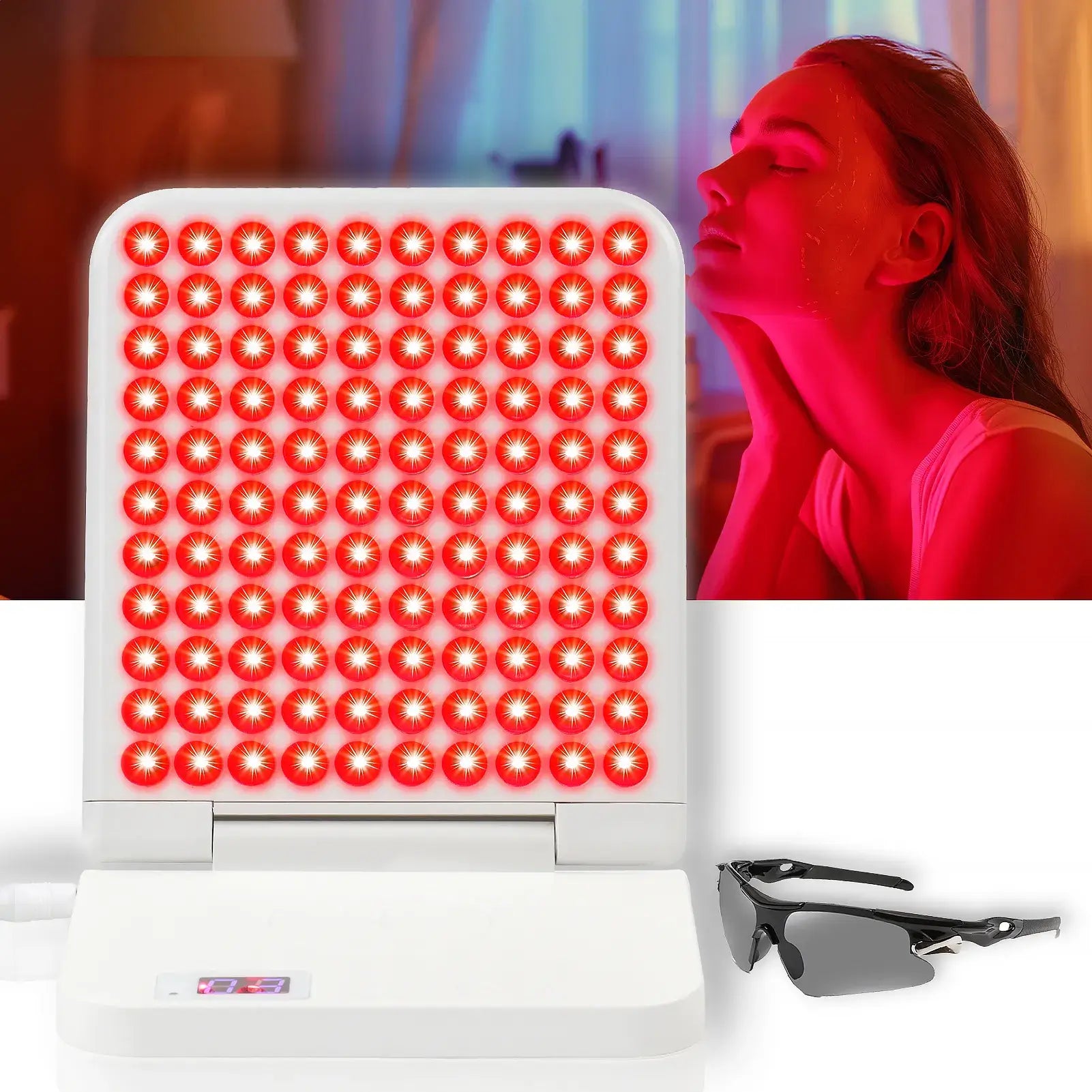
Yes, you can try full body red light therapy. This method uses special devices. These devices shine red or near-infrared light on your whole body. The light can help your skin and muscles. It can also help your mood. Many people use full-body red light therapy for wellness. Full-body beds make up over 40% of the market. You may see benefits like healthier skin or less soreness. You should be careful about side effects. Some side effects are skin reactions or eye discomfort. These can happen if you skip safety steps. Some people think this therapy is only for skin. But research shows it helps with more things. It can help with pain relief and cognitive function.
Key Takeaways
-
Full-body red light therapy helps your skin look better. It can make wrinkles less visible. It also helps hair grow by making more collagen.
-
This therapy helps with pain and helps muscles heal. Many athletes use it to heal faster and lower swelling.
-
Using red light therapy often can help your brain work better. It can help you sleep well, so you feel rested and alert.
-
Safety is very important. Always wear eye protection. Start with short sessions to see how your skin reacts. Then you can make sessions longer.
-
Pick the device that fits your needs and budget. Follow the session rules to get the best results.
What is Full Body Red Light Therapy?

Full body red light therapy lets you treat your entire body with special light. You use devices that shine red or near-infrared light over a large area. This is different from using a small device on just one spot. When you choose full-body red light therapy, you can see benefits for your whole system. People often notice better sleep and improved blood flow. Localized treatments focus on one area, but full body red light can help you feel better all over.
How Red Light Therapy Works?
Red light therapy works by sending certain wavelengths of light into your skin. Your cells absorb this light and start to work better. The science behind it might sound tricky, but here’s a simple breakdown:
|
Mechanism |
Description |
|---|---|
|
Your cells make these molecules, which help control cell activity. |
|
|
Cytochrome c oxidase (CCO) |
This part of your cells takes in the light and starts helpful changes. |
|
Photobiomodulation (PBM) |
The light changes how your cells use energy and helps them repair. |
|
Wavelengths |
Red (600-760 nm) and near-infrared (780-1000 nm) light reach deep tissues. |
|
Biological Effects |
You get changes in cell growth, healing, and energy. |
You might wonder why this matters. When your cells work better, you can heal faster and feel more energized.
Types of Full-Body Devices
You have a few choices if you want to try full-body red light therapy. Some devices cover your whole body at once, while others focus on large areas. Here’s a quick look:
|
Device Name |
Price |
Coverage Area |
Features |
|---|---|---|---|
|
$898.00 |
Full Body |
Great for full sessions at home or in a clinic |
|
|
Hooga HG1000 |
$599.00 |
Large coverage area |
Dual-wavelength, adjustable, covers most of your body |
|
Portable Devices |
Varies |
Varies |
Easy to carry, good for travel or small spaces |
Tip: Large panels and beds give you the best full body red light coverage. Portable devices work well for quick sessions or travel.
You can pick a device that fits your needs and budget. Full-body red light therapy makes it easy to enjoy the benefits of red light therapy from head to toe.
Full-Body Red Light Therapy Benefits

Red light therapy can help your body and mind in many ways. When you use full body red light, it works on your skin, muscles, and brain. Many people pick this therapy to feel healthier. Let’s look at the main health benefits you might get.
Skin and Hair Health
Your skin may look smoother and feel firmer after some sessions. Red light therapy helps your skin make more collagen. Collagen keeps your skin tight and young. Studies show most people get fewer wrinkles and better skin texture. Some people also have less acne. These changes last for months, so they do not fade quickly.
Dr. Rachel Reynolds, a dermatologist, says red light therapy can help with fine lines, smooth skin, and heal wounds or scars faster.
If you have acne or want better skin, this therapy may help. It is not just for your face. You can use red light therapy on your whole body. It can help with scars, stretch marks, or other skin problems.
Red light therapy also helps your hair. You may see thicker hair and less shedding. Scientists found that 650 nm red light helps hair follicles grow and stay healthy longer. This means you may lose less hair and see more hair growth over time.
-
Red light therapy helps make more collagen for firmer skin
-
Most people get fewer wrinkles and smoother skin
-
Acne can drop by more than a third
-
Hair gets thicker and sheds less
Pain, Inflammation, and Muscle Recovery
If you have sore muscles or joint pain, red light therapy can help. Many athletes use it to recover faster after exercise. It works by giving your cells more energy. This helps your body heal and lowers swelling.
Here is what research shows:
|
Study/Source |
Findings |
Benefits |
|---|---|---|
|
BMC Sports Science, Medicine and Rehabilitation (2021) |
Review and analysis |
Helps lower pain and improve movement in tendinopathy |
|
2024 Randomized Trial |
Shorter ICU stays and stronger muscles |
Helps the whole body and speeds up recovery |
|
2024 Review on Photobiomodulation |
New LED tech for home use |
Lowers inflammation, helps wounds heal, improves skin stretchiness |
Red light therapy is popular for pain because it helps people with arthritis or long-term pain. It also helps your body make more ATP. ATP gives your cells energy to fix and recover. You get less swelling, faster healing, and better performance.
-
Gives cells more energy for muscle recovery
-
Lowers swelling and inflammation
-
Helps wounds heal quicker
-
Supports pain and inflammation control
-
Improves performance and speeds up recovery
You can use red light therapy at home for sore muscles, pain, or swelling. Many people find it easier to stay active with regular sessions.
Cognitive Function and Sleep
Red light therapy can help your brain too. Some studies show people do better on memory and focus tests after using it. For example, most people got higher scores on tests for thinking and memory.
|
Study |
Findings |
|---|---|
|
Zhang et al., 2019 |
Red light at 630 nm helped thinking by activating FDH and lowering stress in mice. |
|
Yue et al., 2019 |
Red light improved memory by breaking up Aβ and helping FA metabolism in mice with AD. |
You may also sleep better with full-body red light therapy. In one study, athletes who used red light before bed slept better and felt less tired. Their melatonin levels went up, which helps your body know when to sleep. Better sleep means you wake up feeling rested and recover faster.
-
Higher melatonin for a natural sleep cycle
-
Less tiredness and faster recovery
When you use red light therapy for pain, arthritis, or sleep, you help your whole body. The benefits of red light therapy are not just for one part—they help your body and mind feel better.
Note: Red light therapy works differently for everyone. Some people see big changes, while others see small ones. Using it often gives the best results.
Risks and Safety of Red Light Therapy

You may ask if full body red light is safe. Most people think it is gentle and easy. But you should know about risks and how to stay safe.
Potential Side Effects
Red light therapy is safe for most people. Studies show few side effects if you follow directions. Here are some things you might notice:
-
Your skin may look a little red or feel warm after a session.
-
Sometimes your skin feels dry or tight for a short time.
-
Your eyes can hurt if you do not wear eye protection.
-
Rarely, people with darker skin may get small dark spots.
-
Using too much light can cause mild blisters.
Most people do not have problems. Studies on pain, arthritis, and eye health found no serious side effects. If your skin is very sensitive or you take medicine that makes you sensitive to light, talk to your doctor first.
Tip: Try short sessions first to see how your skin reacts.
Who Should Avoid It?
Some people should not use full-body red light therapy. Some should ask a doctor before trying it. Here is a quick guide:
|
Population/Condition |
Recommendation |
|---|---|
|
Active cancer |
Avoid or ask a doctor |
|
Epilepsy |
Avoid or ask a doctor |
|
Hyperthyroidism |
Avoid or ask a doctor |
|
Recent steroid injections |
Avoid or ask a doctor |
|
Photosensitizing medications |
Avoid or ask a doctor |
|
Pregnancy (especially for abdominal use) |
Avoid unless a doctor says it is ok |
If you have tattoos, red light therapy may fade the color or make it look uneven. People with rare light sensitivity or lupus should not use this therapy.
Safe Usage Tips
You can use red light therapy safely by following these tips:
-
Wear goggles to protect your eyes.
-
Follow the device’s instructions for time and how often to use it.
-
Do not use the device too much.
-
Start with short sessions and only add more time if your skin feels fine.
-
Make sure your skin is clean before each session.
-
Talk to your doctor if you have health problems or take special medicine.
Red light therapy works best when you use it safely. You can help your skin, sleep, and pain if you follow these steps.
Full-Body vs. Targeted Red Light Therapy

Key Differences
You might wonder if you should use full-body or targeted red light therapy. Both options help your body, but they work in different ways. Here’s a simple table to show how they compare:
|
Aspect |
Targeted Red Light Therapy |
Full-Body Red Light Therapy |
|---|---|---|
|
Treatment Size |
Treats a small area |
Covers a larger area in less time |
|
Budget |
More affordable, ideal for budget-conscious |
Generally more expensive, but offers broader benefits |
|
Setup |
Portable and space-efficient |
Requires more space for setup |
|
Energy Delivered |
Less energy due to smaller treatment area |
More energy delivered for systemic benefits |
|
Overall Benefits |
Effective for localized issues |
Provides systemic health benefits |
Targeted red light therapy works best for small spots. You can use it on a sore knee, a scar, or a patch of skin. Full-body red light therapy covers you from head to toe. It gives your whole body a boost in less time. You may need more space for a full-body device, but you get more energy and wider results.
Which is Right for You?
Choosing between these two types depends on your goals and your space. Here are some things to think about:
-
If you want to treat a small problem, like a sore joint or a scar, targeted red light therapy is a smart pick.
-
If you want to feel better all over, full-body red light therapy gives you more benefits for your whole system.
-
Targeted devices cost less and fit in small spaces. You can move them around easily.
-
Full-body setups need more room and cost more, but they help your whole body at once.
-
If you want to boost your energy, sleep, or mood, a full-body device works well.
-
For pain relief or skin spots, targeted red light therapy is enough.
Tip: Think about your health goals and your space before you choose. You can always start small and upgrade later.
Both types of red light therapy can help you feel better. You just need to pick the one that matches your needs.
How to Use Full Body Red Light Devices?

Choosing a Device
It is important to pick the right device. The best devices use light between 600 and 850 nanometers. This kind of light helps your body heal and feel better. You should also check the irradiance. Good devices have at least 100 mW/cm². Higher numbers can give faster results, but you must be careful with session times.
Here is a table to help you compare:
|
Criteria |
Description |
|---|---|
|
Wavelength Range |
600–850 nm for best healing and recovery |
|
Irradiance |
At least 100 mW/cm² for effectiveness |
|
Treatment Area Size |
Large panels or beds cover more skin conditions at once |
|
Safety Certifications |
Look for FDA clearance or international safety standards |
|
User Reviews |
Real stories help you judge effectiveness and durability |
You can pick a red light therapy bed for full-body use. A panel is good if you want something smaller. Make sure the device is made well and comes from a trusted brand. Read what other people say about it. If you want to use red light therapy at home, choose a device that fits your space and budget.
Tip: Devices with safety certifications help keep you safe during sessions.
Session Guidelines
You get the best results when you use red light therapy the right way. Most people start with three to five sessions each week. Each session should last about 10 to 20 minutes. If you want to heal faster, you can use it every day at first. After a few weeks, you can use it three to five times a week.
Here is a quick guide for different goals:
|
Goal |
Session Length |
Frequency |
How Long for Results |
|---|---|---|---|
|
Skin Conditions |
10 mins |
3–5x per week |
4–6 weeks |
|
Muscle Recovery |
12–15 mins |
Daily, then 3–5x weekly |
1–2 weeks |
|
Wound Healing |
10–15 mins |
Daily (initially) |
1–2 weeks |
|
Mood Improvement |
10 mins |
3–4x per week |
4–6 weeks |
You need to be consistent to see good results. Clean your device after each use with a damp cloth. Store it in a cool, dry place. Check for damage before each session. If you use a panel or bed, always wear eye protection. Start with short sessions to see how your skin reacts, especially if your skin is sensitive.
You can use targeted red light therapy for small spots. A full-body device is good for overall health and recovery. Both types help with healing, pain, and skin problems. If you follow these steps, you will recover better and enjoy the benefits of red light therapy.
You can try full-body red light therapy for different reasons. It helps with pain and skin problems. It also helps your hair and mood. Studies show it helps with knee pain and fibromyalgia. It can help with hair loss too. The table below shows how well it works for each problem:
|
Health Outcome |
Effect Size (eSMD) |
Certainty Level |
|---|---|---|
|
Burning Mouth Syndrome |
-0.92 |
Moderate |
|
Knee Osteoarthritis |
0.65 |
Moderate |
|
Fibromyalgia |
1.25 |
Moderate |
|
Androgenetic Alopecia |
1.32 |
Moderate |
|
Cognitive Function |
0.49 |
Moderate |
Always follow safety rules when you use a device. Pick a device from a trusted brand. If you have health problems, ask your doctor first. If you take medicine that makes your skin sensitive, talk to your doctor. Red light therapy may be an easy way to help you feel better!
FAQ
Can you use red light therapy every day?
Yes, you can use it daily. Most people start with three to five sessions each week. If your skin feels fine, you can try daily sessions. Always follow your device’s instructions.
Do you need to wear eye protection?
You should wear eye protection during sessions. The light can bother your eyes. Most devices come with goggles. If yours does not, you can buy safety glasses online.
How soon will you see results?
You may notice changes in two to four weeks. Some people see smoother skin or less pain sooner. Results depend on your body and how often you use the device.
Is red light therapy safe for kids?
Red light therapy is usually safe for adults. Kids should not use it unless a doctor says it is okay. Always ask your child’s doctor before starting any new therapy.
Medical Disclaimer
The information shared by MicroENE, including testimonials, research summaries, or case studies, is for informational use only and does not constitute medical advice. Individual responses to light therapy may vary, and results from studies or customer experiences do not guarantee similar outcomes with MicroENE devices. Always consult your physician before starting light therapy, and do not alter any medical treatments without professional guidance.