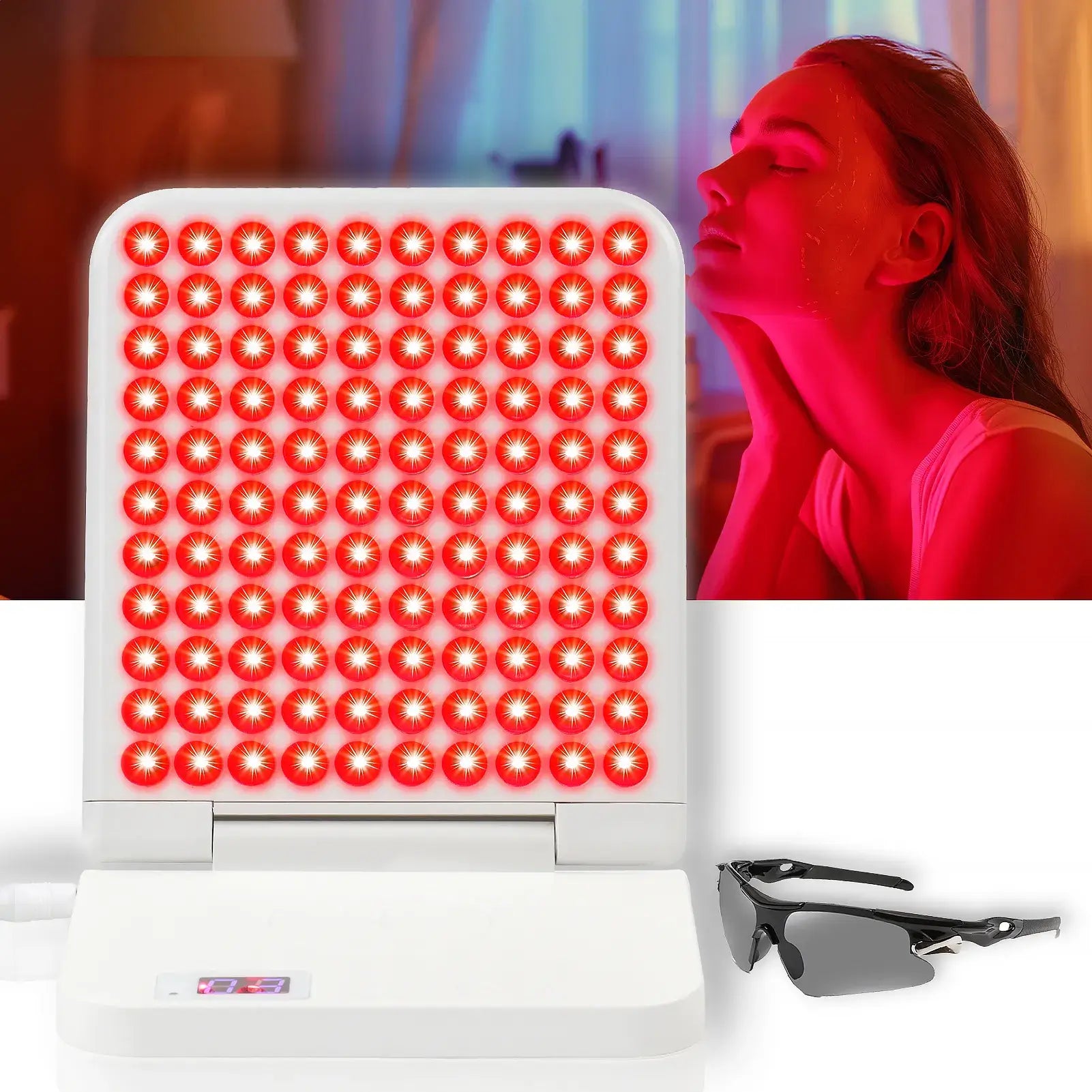
You might ask if cheap red light therapy devices really work. The answer is not clear. You can see results, but it depends on the device’s quality and features. It also depends on how you use it. Many people worry about not enough proof, different results, or safety. Look at these common worries:
|
Concern/Doubt |
Description |
|---|---|
|
Lack of Evidence |
Experts say there is not enough proof for all the benefits. |
|
Variability in Results |
Studies show mixed results, so each person may get different outcomes. |
|
Safety Issues |
Devices are mostly safe, but you should protect your eyes. They have less power than professional devices. |
Social media sometimes makes the benefits sound better than they are. You should have realistic expectations.
Key Takeaways
-
Red light therapy can help your skin look better. It can also lower pain and help you heal faster. The results depend on how good the device is and how you use it.
-
Cheap devices might not work as well as expensive ones. You should check for things like the right wavelengths and power output.
-
You can start with a cheaper device for small areas. This lets you see how red light therapy works before buying a bigger device.
-
Use your device often, about 3 to 5 times each week. Always follow the instructions to stay safe and get good results.
-
Look for safety features and warranties when you buy a device. This keeps your money safe and helps you get a device you can trust.
What is Red Light Therapy?

Red light therapy is a simple way to help your body heal and feel better. You use a special device that shines red or near-infrared light on your skin. Many people try it at home to improve their skin, reduce pain, or speed up recovery after exercise.
How Red Light Therapy Devices Work?
When you use a red light device, the light goes into your skin and reaches your cells. The light targets the mitochondria, which are like tiny batteries inside your cells. These batteries make energy for your body. With more energy, your cells can repair themselves faster and grow new, healthy cells. Scientists found that red light therapy helps your cells make more ATP, which is the main fuel for healing and repair.
Some studies show that red light therapy can boost collagen in your skin. Collagen keeps your skin smooth and firm. People who use these devices often notice fewer wrinkles and softer skin. You might also see less redness or swelling because the light helps calm inflammation.
Main Benefits of Red Light Device
You can get several benefits from using a red light device. Here are some of the main effects:
-
Smoother and younger-looking skin
-
Less pain in muscles and joints
-
Faster healing after injuries
-
Reduced swelling and redness
Tip: If you have sore muscles or stiff joints, red light therapy may help you feel better without medicine.
Researchers found that red light therapy can help with problems like fibromyalgia, knee pain, and back pain. It also helps your body make more proteins and release nitric oxide, which protects your heart and helps blood flow. The table below shows some main effects:
|
Physiological Effect |
Description |
|---|---|
|
Protein Synthesis |
Helps your body make new cells and heal faster |
|
Nitric Oxide Release |
Improves blood flow and protects your heart |
|
Anti-inflammatory Effects |
Lowers swelling and redness in your body |
If you want a gentle, non-invasive way to support your health, a red light device could be a good choice.
Cheap vs Expensive Red Light Therapy Devices

Key Differences in Features and Performance
When you compare red light therapy devices, you will see some big differences. Expensive devices usually tell you the exact wavelengths and how strong the light is. Cheaper devices might not give you this information. High-end devices can have extra features like timers or special settings. These features make your sessions easier and more comfortable.
Here are some things you might notice:
-
Expensive devices often explain their technology clearly. Cheaper ones may not do this.
-
High-end models sometimes have timers and programs you can set. Basic models usually do not have these.
-
Both types can help your skin and muscles. Expensive devices may work better because they use stronger and more exact technology.
If you want a device that is easy to use and gives you the best results, you might like the extra features on a more expensive model.
Wavelength, Power, and Device Quality
The power and accuracy of a red light device are important. Cheaper devices often have less power, so you may need to use them longer to see results. They might not use the best wavelengths for your skin or muscles. Medical-grade devices use the right ranges and give you more power.
Check out this table to see how they compare:
|
Feature |
Cheap Devices |
Medical-Grade Devices |
|---|---|---|
|
Wavelength |
Often not correct, not in 630-670 nm or 810-850 nm |
Correct, within the right ranges |
|
Power Output (Irradiance) |
Usually low, may need longer sessions |
At least 100 mW/cm², works well at 6 inches |
|
Compliance |
May not have FDA clearance |
Follows medical rules |
Cheap red light therapy devices might look like expensive ones, but they do not last as long or work as well. High-end devices use better parts and follow safety rules. This means you get more value over time and do not have to buy a new device as often.
Suitability for Spot Treatments and Beginners
Are you new to red light therapy? You might not want to spend a lot of money at first. Many experts say it is smart to start with a simple, cheap device. These small devices work well for spot treatments, like your face or a sore knee. You can see if you like the therapy before buying a bigger device.
-
Beginners can try a cheaper device to see how red light therapy feels.
-
Small, cheap devices are good for spot treatments.
-
You do not need a fancy device to start or treat small areas.
Tip: If you want to treat your whole body or need stronger results, you may want to get a bigger, more powerful device later.
No matter what you pick, make sure you read the instructions and use your device safely. You can always start with a small device and move up as you learn what works best for you.
Effectiveness of At-Home Red Light Therapy

Scientific Evidence on Affordable Devices
You might ask if at-home red light therapy works. Many people pick these devices because they want easy care at home. You can use them for short times during your week. This makes it simple to keep using the device. Using it often is important if you want results.
Scientists have studied how well these devices work. Reviews show that at-home red light therapy may help with pain and skin problems. Some devices even have FDA clearance for hair regrowth. This means they were tested and shown to help with some types of hair loss, like when it runs in your family or is caused by hormones.
People who use affordable red light therapy devices often see changes in their skin and how they feel. Here are some common results:
-
Smoother skin with fewer lines and better texture
-
Less redness and fewer acne breakouts
-
Relief from sore muscles and joints after exercise
-
Faster healing of small wounds or cuts
You might not see results right away. Most studies say you need to use your device a few times each week for a few weeks before you notice changes. Results can be different for each person, but many people say they see good effects.
Expert Opinions on At-Home Use
Doctors and experts say at-home red light therapy is usually safe if you follow the instructions. Many devices have timers that turn them off so you do not use them too long. This helps protect your skin and keeps you safe. You should check if your device has overheating protection. Some cheap models do not, and this can be risky.
Experts say red light therapy devices are FDA-cleared and safe for most people. You should talk to your doctor before you start, especially if you have a health problem or take medicine that makes your skin sensitive to light. Using your device too much can cause problems, so follow the time rules.
How you use your device is very important. Here is a table to help you get the best results:
|
Factor |
Recommendation/Impact |
|---|---|
|
Treatment Time |
Use for 10-20 minutes, 3-5 times per week |
|
Irradiance |
Look for at least 80 mW/cm² to make sure enough energy reaches your cells |
|
Device Quality |
Choose devices with FDA clearance and good safety features |
You should also check that your device uses the right wavelengths. Red light works best between 620–700 nm. Near-infrared light works between 700–1,100 nm. Devices with higher power and even light spread give you better results.
Tip: Always read the instructions and start slow. If you feel any discomfort, stop and ask your doctor for advice.
At-home red light therapy can fit into your daily life and help with many common problems. You just need to pick a good device, use it safely, and wait for results.
What to Look for in a Red Light Therapy Panel?

Essential Features for Results
When you want to buy a red light therapy panel, you should make sure it works well for you. Look for panels that use the right wavelengths. Lower wavelengths like 630nm help your skin look nicer. Higher wavelengths like 850nm go deeper and help with joint pain. Check the power level, which is called irradiance. For your skin, you need 20 to 50 mW/cm². For deeper problems, you want 100 to 200 mW/cm². Most experts say a good panel should have at least 80-100 mW/cm² at six inches. This means you can use it for less time and still get good results.
Here’s a quick table to help you compare features:
|
Feature |
Description |
|---|---|
|
EFFECTIVE |
Proven panels with good reviews and results at home. |
|
SAFE |
Panels safe for regular use with clear instructions. |
|
EASY TO USE |
Simple controls and easy setup for daily routines. |
|
AFFORDABLE |
Options at lower prices, including smaller and portable panels. |
You should pick a red light therapy panel that fits your budget and still works well. If you are just starting, try a cheaper panel for small areas first.
Safety and Quality Considerations
Safety is very important when you use a red light therapy panel. Look for panels that have medical approval or FDA clearance. These panels follow safety rules and work like they should. Some panels have CE certification, which means they meet European safety standards. You should check if the panel has automatic shut-off and heat control. These features keep you safe and stop the panel from getting too hot. You also need protective eyewear if your panel uses strong light.
|
Certification/Standard |
Description |
|---|---|
|
Medical Approval |
Cleared for safe use and proven results. |
|
CE Certification |
Meets health and safety standards. |
|
Automatic Shut-Off |
Stops overuse and overheating. |
|
Heat Regulation |
Keeps panel cool during use. |
|
Protective Eyewear |
Protects your eyes from strong light. |
Most red light therapy panels are Class II, so they are safe to use at home.
Maximizing Value with Budget Devices
You can get good results from a cheap red light therapy panel if you know what to look for. Pick panels with the right wavelengths and enough power. Make sure the panel has safety features and a good warranty. Read reviews and see if the panel is easy to use. Start with a small panel for spot treatments, then get a bigger one if you need it. Set goals you can reach and follow the instructions. You can enjoy the benefits of a red light therapy panel without spending a lot.
Tip: Always check the warranty and return policy before you buy a red light therapy panel. This helps protect your money and makes you feel better about your choice.
Risks and Limitations of Cheap Red Light Therapy Devices

Durability and Warranty Concerns
If you buy a cheap led light therapy device, it might feel light or weak. Many cheap devices use plastic or thin parts. These can break or stop working fast. If you want to use led treatments a lot, you need a strong device. Devices made from iron or aluminum last longer and work better.
You should look at the warranty before you buy. A good warranty means the company trusts its device. Some brands give a warranty for one to five years. If your device breaks, a warranty can help you save money and worry less. Cheap devices often have short or no warranty. You might have to buy a new one sooner than you want.
Tip: Always read the warranty before you pick a led light therapy device. This helps you know what to do if your device stops working.
Realistic Results and Potential Side Effects
You might want big changes from led light therapy, but you should have real goals. Cheap devices sometimes use the wrong wavelengths or are not strong enough. This can make your led treatments not work as well, like for acne treatment or pain relief. Studies show that the right wavelengths and enough power work best. If your device does not have these, you may only see small changes.
Here is a table to show what matters most:
|
Key Factor |
Why It Matters |
|---|---|
|
Device Quality |
FDA clearance or safety rules mean better results. |
|
Irradiance Levels |
At least 100 mW/cm² gives real benefits. |
|
Wavelength Accuracy |
The right wavelength helps you get the best results. |
Some people may get mild redness or dry skin if they use the device too long. You should always follow the instructions. Led light therapy is not safe for everyone. If you have epilepsy, had melanoma, or are pregnant, you should not use these devices. People who take photosensitizing treatments should also not use them. Most side effects are rare, but it is smart to be careful.
Note: Led light therapy can help with acne treatment and other skin problems, but you need to wait for results. Do not think you will see changes right away, especially with cheap devices.
You can see results with cheap light therapy devices if you choose carefully. Always read reviews from other buyers. Look for panels that have enough power and good safety features. Experts say you should use light therapy three to five times each week. This is important for skin problems. Here is a simple guide to help you pick:
|
Aspect |
Recommendation |
|---|---|
|
Device Quality |
Find FDA clearance and at least 100 mW/cm² |
|
Treatment Frequency |
Use three to five times a week, ten to twenty minutes each time |
|
Safety Precautions |
Wear protective eyewear and clean your skin before using |
|
Selection Criteria |
Check how it is made, its power, wavelength, and the brand’s reputation |
|
Authenticity Check |
Look for certifications and clear information about wavelengths |
If you want something cheap, start with a small device. You can get a bigger one later when you know what works best for you.
FAQ
How often should you use a red light therapy device?
You can use a red light therapy device three to five times a week. Start slow and see how your skin or muscles react. Most people notice changes after a few weeks. Always follow the instructions that come with your red light therapy device.
Can you use a red light therapy device on your face?
Yes, you can use a red light therapy device on your face. Many people do this for smoother skin and fewer wrinkles. Just keep your eyes safe. Wear protective goggles if your red light therapy device is strong or close to your eyes.
What should you look for in a red light therapy device?
Look for the right wavelengths, at least 80 mW/cm² power, and safety features. A good red light therapy device should have clear instructions and a warranty. Read reviews before you buy. This helps you pick a red light therapy device that works for your needs.
Are there any side effects from using a red light therapy device?
Most people do not get side effects from a red light therapy device. You might see mild redness or dry skin if you use it too long. Stop using your red light therapy device if you feel pain or discomfort. Ask your doctor if you have questions.
Can a cheap red light therapy device give real results?
A cheap red light therapy device can help with small areas or spot treatments. You may need more time to see results. Make sure your red light therapy device uses the right wavelengths and has enough power. Start with a small device and upgrade if you want more benefits.
Medical Disclaimer
The information shared by MicroENE, including testimonials, research summaries, or case studies, is for informational use only and does not constitute medical advice. Individual responses to light therapy may vary, and results from studies or customer experiences do not guarantee similar outcomes with MicroENE devices. Always consult your physician before starting light therapy, and do not alter any medical treatments without professional guidance.