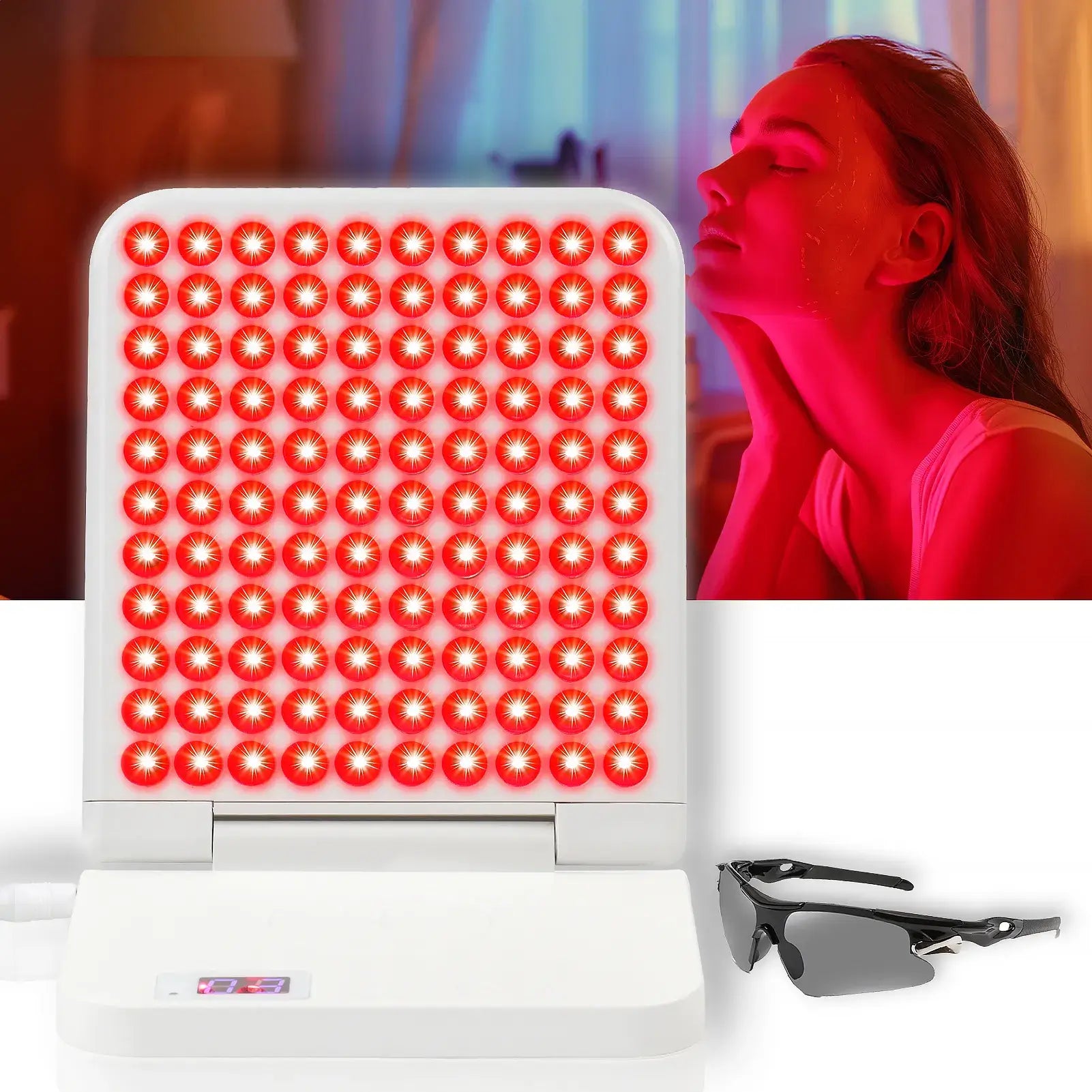
For the best results with the best full body red light therapy, show as much skin as you can. Thin clothes let some light through, but bare skin works better. Red light helps wounds heal faster. It also aids in skin cell growth, keeping your skin healthy. Here are some study results:
|
Study Description |
Findings |
|---|---|
|
Blepharoplasty healing |
Red light made scars heal twice as fast. |
|
Effect on epidermal proliferation |
Skin cells grew more and had more energy. |
|
LED therapy on skin healing |
Skin cells got healthier and healed better. |
You do not need to worry if you feel shy. You can wear light clothes or cover private areas. Being comfortable is important, too!
Key Takeaways
-
Show as much skin as you want during red light therapy for better results. If you want to wear clothes, pick thin and light-colored ones. These clothes let more light go through.
-
Wash your skin before therapy to help the red light work best. Do not use makeup or creams that block the light.
-
Try to do therapy often to get better results over time. Aim for two or three sessions each week.
-
Make sure your therapy space is private and comfortable. This helps you relax and makes therapy work better.
Why Skin Exposure Matters in Red Light Therapy?

How Red Light Therapy Works?
You may wonder how red light therapy helps your body. Red light therapy and infrared therapy use special light. This light goes deep into your skin. Your cells have mitochondria. Mitochondria are like batteries for your cells. They use an enzyme called cytochrome c oxidase to take in the light. This helps your cells make more ATP. ATP is the energy your cells need to heal and work.
When cytochrome c oxidase takes in red or near-infrared light, it starts a chain reaction. Your cells get more energy. This helps them fix themselves faster. You may notice your skin looks better, swelling goes down, and you heal faster. Infrared therapy works best when the light touches your skin. Thick or dark clothes block most of the light. Thin and light-colored clothes let some light in, but not as much as bare skin.
Tip: Try to keep your skin uncovered during your session. The more skin you show, the more light your cells can use.
Benefits of Direct Skin Exposure
Letting the light touch your skin gives you the most benefits. Your skin has lots of mitochondria, especially where healing is needed. When your skin is uncovered, the light can reach these cells easily. This helps your body make more ATP, lower swelling, and fix tissue faster.
Here are some benefits you get when your skin is uncovered during infrared therapy:
-
Wounds and scars heal faster
-
Skin cells get healthier and your skin looks better
-
Swelling and pain go down
-
Your skin cells have more energy
If you wear clothes during red light therapy, the fabric matters. Thick or dark clothes block most of the light. Thin, light-colored clothes let some light in, but not as much as bare skin. Try to show as much skin as you feel okay with.
|
Skin Exposure Level |
Light Absorption |
Expected Benefits |
|---|---|---|
|
Full skin exposed |
Maximum |
Best healing, energy |
|
Thin clothing |
Moderate |
Some benefits |
|
Thick clothing |
Low |
Fewer benefits |
You do not have to be fully uncovered if you feel shy. Just remember, more skin exposed means better results. You can cover private areas with thin, light clothes if you want.
Note: Direct skin exposure during infrared therapy gives you the best results. Try to find a good balance between comfort and getting the most from your session.
Does Red Light Therapy Work Through Clothes?

You might wonder if red light therapy works through clothes. The short answer is yes, but not as well as on bare skin. The type of fabric, its color, and how thick it is all play a big part in how much light reaches your skin. If you want the best results, you should know how these things affect deep light penetration.
Impact of Fabric Type and Color
Not all clothes are the same when it comes to red light therapy work through clothes. Some fabrics let more light through, while others block it almost completely. Here’s what you need to know:
-
Cotton: Light, loosely woven cotton lets some red light pass through. Thick or tightly woven cotton blocks most of it.
-
Polyester: Most polyester reflects red light and blocks it. Blends with cotton may let a little more light through.
-
Nylon: Thin nylon can be a bit see-through, but thicker nylon stops most of the light.
-
Wool and Denim: These are thick and dense. They block almost all red light.
-
Silk and Linen: These are thinner and more see-through, so they allow more light to reach your skin.
Color matters, too. Light-colored clothes, like white or pastels, let more light through. Dark colors, like black or navy, absorb the light and keep it from reaching your skin.
|
Fabric Type |
Effect on Light Penetration |
|---|---|
|
Light-colored fabrics |
Allow a higher percentage of light to reach the skin |
|
Dark-colored fabrics |
Absorb more light, reducing therapy effectiveness |
If you want red light therapy work through clothes, pick lightweight, thin, and light-colored fabrics. Avoid thick, dark, or tight clothes. Even with the best fabric, some light gets blocked, so you won’t get the full effect.
Tip: Choose white or light grey shirts made of thin cotton or linen for better results during your session.
Areas Covered vs. Uncovered
You might feel more comfortable covering some parts of your body during red light therapy. That’s okay! Just remember, the more skin you show, the better the results. Areas covered by clothes get less light, so the benefits are smaller.
-
Thin and light clothes let some light through, but not as much as bare skin.
-
Thick or dark clothes block most of the light, so those areas get less benefit.
-
If you cover sensitive spots, use the thinnest, lightest fabric you can find.
Let’s look at how therapy works on covered and uncovered areas:
|
Therapy Type |
Benefits |
|---|---|
|
Targeted Therapy |
Works well for small spots, like sore joints or skin problems. |
|
Full-Body Therapy |
Helps your whole body, like better sleep and blood flow, because more skin gets treated. |
Red light therapy work through clothes, but the effect is weaker. If you want deep light penetration, try to keep as much skin uncovered as you feel comfortable with. You can still get some benefits if you wear clothes, especially if you pick the right kind. Just know that the more you cover up, the less light gets to your skin.
Note: Red light therapy is most powerful on bare skin. If you need to wear clothes, go for thin, light, and loose options. This way, you get the most out of your session while staying comfortable.
Best Clothing for Infrared Therapy Sessions

Choosing Lightweight and Breathable Fabrics
You might feel unsure about what to wear during your infrared therapy session. You want the best clothing for infrared therapy, but you also want to stay comfortable. The good news is you have plenty of options. You can pick light and breathable fabrics that let the red light reach your skin. Thin, loose-fitting clothes work best. They help the light cover more of your body and keep you cool.
Here are some smart clothing choices for your session:
-
Pick thin, lightweight fabrics like cotton, linen, or silk.
-
Choose sweat-wicking materials if you want to stay dry and comfortable.
-
Go for loose-fitting garments so the light can reach more skin.
-
Avoid thick materials such as denim or wool because they block the light.
-
Select lighter colors like white or light grey. These colors reflect red light better than dark colors.
Tip: You can wear a loose white t-shirt or light shorts. These options help you stay modest and still get the benefits of red light therapy.
Tips for Covering Sensitive Areas
You may want to cover private or sensitive areas during your session. You can do this without losing the benefits of therapy. Try using light and breathable fabrics for these spots. You can use a thin towel or a soft scarf. Make sure the fabric is loose and not layered.
Here are some easy ways to cover up while still getting good results:
-
Use a thin, light-colored towel to cover sensitive spots.
-
Pick loose shorts or a soft wrap for comfort and privacy.
-
Avoid thick or dark fabrics over these areas.
You can balance privacy and effectiveness by choosing the right clothes. Direct skin exposure gives you the best results, but you can still get benefits with smart clothing choices. Just remember to keep things simple and comfortable. You do not need to feel embarrassed or worried. You can enjoy your session and feel confident.
Preparing for Red Light Therapy at Home

Getting ready for red light therapy at home can make a big difference in your results. You want to set up your space, care for your skin, and feel comfortable and private during each session. Here’s how you can do it:
Setting Up Your Space
You can turn any room into a perfect spot for red light therapy at home. Follow these steps for the best results:
-
Pick the right position. Stand if you use a large panel. Sit if you have a smaller device. Lie down for full-body sessions.
-
Arrange your furniture and panels so you can reach them easily. Make sure you keep the same distance from the light each time.
-
Make your space cozy. Use eye protection, keep the area quiet, and remove anything that might distract you.
Tip: A calm and private room helps you relax and enjoy your therapy. You can even play soft music or dim the lights for a spa-like feel.
Skin Care Before and After
Your skin needs a little prep before you start red light therapy at home. Clean skin helps you get the best results.
-
Wash your skin to remove makeup, sunscreen, or creams. These products can block the light and lower your results.
-
After cleansing, use a gentle moisturizer. You can also try a serum with vitamin C for extra care.
-
When you finish your session, let your skin cool down. Drink water and use soothing products like aloe vera if your skin feels warm.
-
Stay out of the sun right after therapy. Watch how your skin reacts and change your routine if needed.
Note: Sunscreen, makeup, and some creams can stop the light from reaching your skin. Always start with a clean face and body.
Comfort and Privacy Tips
Red light therapy at home gives you total privacy. You can relax and enjoy your session alone or with someone you trust. Try these ideas for more comfort:
-
Close the door and use curtains for privacy.
-
Wear loose, light clothes or use a thin towel if you want to cover up.
-
Set the mood with music or calming scents.
You control your space, so make it work for you. When you feel safe and comfortable, you get better results and enjoy your therapy more.
Maximizing Results with Best Full Body Red Light Therapy

Consistency and Routine
If you want great results, you need a routine. Doing infrared therapy often helps your body get used to it. You can follow easy schedules for different goals:
-
For skin care, do 2-3 sessions each week. Each session should last 10-20 minutes. After a month or two, you can do it once a week or every other week.
-
For acne, try 2-3 sessions every week. Each session should be 15-20 minutes long.
-
For muscle pain, do 3-5 sessions per week. Each session should last 10-20 minutes.
Always check the safety rules for your device. If you want to be safe, start slow and add more sessions when you feel ready. Do not skip sessions or use the device too long. You can remember your routine by pairing it with another habit, like brushing your teeth or stretching.
Tip: Doing therapy often helps you get better results.
You can also add other wellness activities to your routine. Try whole-body cryotherapy or compression therapy. Mixing these helps your body recover and makes infrared therapy work better.
Tracking Progress
You want to see how much you improve with therapy. Keeping track helps you stay excited and notice changes. Here are some simple ways to do this:
|
Method |
Description |
|---|---|
|
Take Photos |
Take clear pictures of your skin or sore spots before and during therapy. |
|
Measure Range of Motion |
Check how far you can move your joints before and after sessions. |
|
Track Pain Levels |
Use a pain scale to rate your pain before and after each session. |
|
Monitor Frequency of Symptoms |
Write down how often and how bad your symptoms are. |
|
Set Specific Goals |
Make clear goals so you stay focused and excited about your progress. |
You can use a notebook or an app to write down your results. If you want to do therapy the right way, always look at your improvements. This helps you avoid mistakes and keeps you safe. If you use different devices, compare your results to see which one works best.
Note: Tracking your progress helps you see real changes. You will feel proud of your hard work.
Infrared therapy works best when you use your device safely and keep a steady routine. You can get better results by adding therapy to your daily habits. If you want the best results, stay consistent, track your progress, and follow safety tips.
You get the best results from red light therapy when you expose as much skin as you feel comfortable with. Wearing clothes is not required, but you can choose thin, light fabrics if you want more privacy. Many people worry about nudity, but minimal clothing works well for most. Clean skin helps the light reach deeper, and a private space lets you relax. Pick what feels right for you and enjoy your session.
FAQ
Can I wear underwear during full body red light therapy?
Yes, you can wear underwear if that makes you feel comfortable. Try to pick light-colored and thin fabric. This lets more light reach your skin. You still get good results even if you cover private areas.
Do I need to remove jewelry or watches?
You should take off jewelry and watches before your session. Metal can block the light and may heat up. Removing these items helps the light reach your skin better and keeps you safe.
How long should I expose my skin to red light?
Most sessions last 10 to 20 minutes. You can follow the instructions for your device. Start with shorter times if you are new. Watch how your skin feels and adjust as needed.
Will red light therapy tan or burn my skin?
No, red light therapy will not tan or burn your skin. The light does not use UV rays. You will not get a sunburn or tan from these sessions.
Medical Disclaimer
The information shared by MicroENE, including testimonials, research summaries, or case studies, is for informational use only and does not constitute medical advice. Individual responses to light therapy may vary, and results from studies or customer experiences do not guarantee similar outcomes with MicroENE devices. Always consult your physician before starting light therapy, and do not alter any medical treatments without professional guidance.